YouTube Music rolls out labels for AI-generated and altered tracks
Google adds new disclosures to its music streaming service to help users identify songs created with generative artificial intelligence tools.
Key points
- New labels appear on player pages for tracks fully or significantly altered by AI.
- Google uses detection tools, SynthID watermarking, and C2PA metadata to identify content.
- Publishers can optionally specify AI usage levels during the upload process.
Google is deploying new labeling systems within YouTube Music to disclose when audio content has been created or significantly modified using generative artificial intelligence. This initiative builds on similar disclosure mechanisms previously implemented in the main YouTube application, as Threat Times reported in October 2026. The labels are now live in the app and on the web platform.
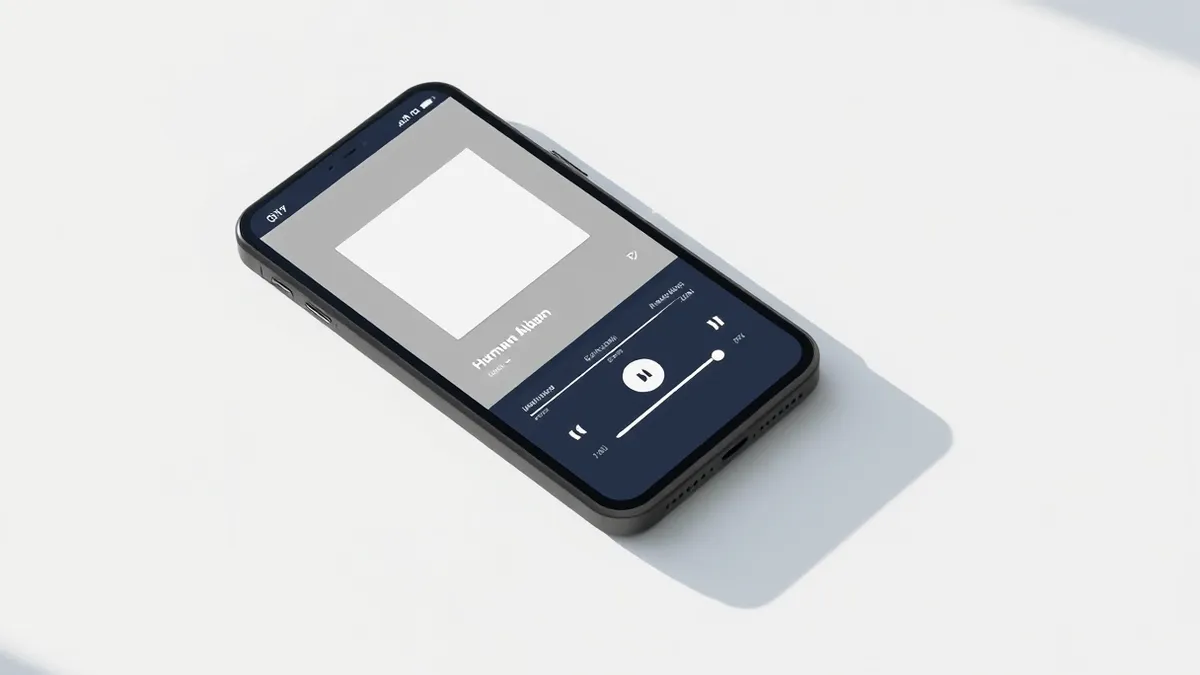
The new labels appear directly on the player page for songs that were either entirely generated by AI or substantially altered by it. Users can tap the label to access a menu containing additional details about the content's origin. This feature aims to provide transparency regarding the creative process behind the music listeners are consuming.
How Google Identifies AI Content
Google employs a combination of automated detection tools and partner collaborations to identify AI-generated music. Publishers uploading content have the option to specify the extent of generative AI usage, selecting from tiers of fully AI, partially AI, or no AI involvement. However, this self-disclosure process remains optional for content creators.
In cases where creators do not disclose AI usage, Google may still detect it through technical markers. Tracks created using Google’s own AI tools contain SynthID watermarking, which signals whether the file was generated or edited with artificial intelligence. The company also leverages C2PA metadata, a standard used by many other AI music production tools, to verify content origins.
Limitations and User Experience
The absence of an AI label does not guarantee that a track was produced by human talent alone. Google acknowledges that numerous AI tools exist that leave no identifying digital marks in the final audio file. This limitation applies to AI labeling across all content types, not just music.
The utility of these labels may differ from their video counterparts. On the main YouTube platform, users are actively watching screens where labels are easily visible. In contrast, music listeners often engage with audio without looking at their devices, potentially missing the disclosure. Despite this, the company states that generative AI offers new creative avenues for artists.
What should you do?
Security and technology professionals should monitor how streaming platforms implement these new transparency standards. Understanding the limitations of current detection methods is crucial for accurate content assessment. Users should remain aware that voluntary disclosure is not mandatory for all publishers.
Background: Generative AI
Generative AI examples include text completion, image synthesis and code generation. These systems predict the next likely token based on vast training datasets. Understanding the underlying mechanics helps you identify risks like data leakage and hallucination in your infrastructure.
Read the full guide: Generative AI Examples: Mechanisms, Risks and Control
What to do and how to stay safe: YouTube Music
- Check the player page for AI labels when listening to new or unfamiliar tracks on YouTube Music.
- Review the expanded menu information to understand if a song was fully or partially AI-generated.
- Assume that content without a label may still contain AI elements, as detection is not perfect.
- Monitor updates from Google regarding the expansion of these labels to the main YouTube video platform.
Step-by-step guide: Prompt Injection Warning Signs: How to Spot AI Manipulation
General security guidance from the Threat Times newsroom. It is not confirmed advice from the organisations named in this story.
Frequently asked questions
Does Google ban AI-generated music on YouTube Music?
No, Google is not banning AI music; it is introducing labeling systems to help users identify such content.
How does YouTube Music detect AI-generated tracks?
The platform uses its own detection tools, SynthID watermarking for Google AI content, and C2PA metadata from other tools.
Is it mandatory for publishers to disclose AI usage?
No, specifying how much generative AI was used during upload is optional for publishers.