Threat Intelligence
Cloudflare Data Shows Yandex Bot Drop, Not Russian Disinformation
Analysts clarify that recent drops in bot traffic from Russia reflect Yandex crawler outages, not a decline in state-sponsored disinformation campaigns.
Threat Intelligence coverage from Threat Times holds 23 articles, 6 of them reference guides. The newest was published on October 13, 2026. New stories are added as soon as they are confirmed, from more than 150 sources checked as often as every 45 seconds. Each story lists its sources. Primary sources we follow for this section include MITRE ATT&CK and MITRE D3FEND.
Analysts clarify that recent drops in bot traffic from Russia reflect Yandex crawler outages, not a decline in state-sponsored disinformation campaigns.

A weekly bulletin from Check Point Research outlines major data exposures in Denmark and Japan, alongside new exploits in enterprise software.

Operational Technology ISAC and Singapore university partner on threat intel and research to strengthen critical infrastructure resilience.

A new report details how two covert operations used generative AI to accelerate traditional disinformation campaigns targeting Western media outlets.

Filigran has confirmed speakers from the FBI, Thales, Accenture and Centrica for its inaugural THREAD conference scheduled for October 15 in Paris.

A drone attack on a Yandex facility in Sasovo caused a major fire, taking down cloud infrastructure and threatening two key AI supercomputers.

Researchers identify a state-aligned Iranian group using fake recruitment portals and custom malware to compromise aviation and telecom sectors in the Middle East.

A surge in suspected Iranian VPN-over-DNS activity produced 40 billion passive DNS observations across 100 domains, according to a report published October 9, 2026.

Ukraine’s drone attacks on Yandex facilities caused a dramatic drop in Russian bot activity, disrupting infrastructure linked to disinformation campaigns.

Microsoft’s new Surface Laptop Ultra features NVIDIA’s RTX Spark graphics, offering premium aesthetics and performance for creative professionals.

Project RedTeam: Contract Offensive combines card-based gameplay with realistic cyberattack techniques to educate players on network security.

Rotating credentials fails if the stolen token remains valid, requiring immediate session invalidation and scope reduction to stop lateral movement.
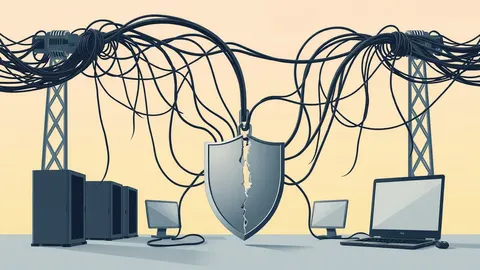
The Unified Kill Chain maps adversary infrastructure rather than just steps, revealing how misreading its scope breaks detection logic and wastes analyst time.

Token theft often bypasses password checks, making session behavior anomalies the only reliable indicator of a compromised identity without new credentials.

Most detection failures stem from poor data quality and lack of context, not from missing logic or insufficient rule complexity in your monitoring stack.

Poorly deployed deception assets generate alert fatigue and blind spots, turning security tools into noise generators rather than detection engines.

These tools transform raw data into actionable context by correlating indicators across multiple sources, revealing hidden attack patterns that isolated alerts miss.

The cybersecurity publication marks ten years of coverage while sharing significant internal updates for its professional audience.

Russian-linked spy group UAC-0099 is upgrading its MatchBoil dropper to evade detection while targeting Ukrainian organizations with cyber-espionage operations.

A security researcher has identified a flaw in the Loupe application that allows unauthorized access to an Android console via a standard web browser.

A dual citizen admitted to running a massive laundering operation that processed millions for global cybercrime groups, according to reports.

OpenAI’s safety team reports disrupting propaganda efforts by Russian and Iranian actors that exploited ChatGPT for fake identities and disinformation.

The Belarusian hacktivist group admits to spending months inside the Moscow Department of Health system, validating earlier Russian security research findings.