
AI
Atlassian CEO confirms no Chinese AI models in production systems
Atlassian chief executive states the company relies on Nvidia and Mistral models, dismissing concerns about Chinese AI while noting customer pushback exists.
The Threat Times Systems Desk is the part of the Threat Times newsroom that covers cloud platforms, AI and the wider technology industry. It is a newsroom desk, not a single person. Sections: Cloud Security, Tech News, AI. Stories start from more than 150 monitored sources. Drafts are prepared with AI assistance and checked by software against the cited sources before they are published. It has published 955 articles so far. See the editorial policy or report an error.
Atlassian chief executive states the company relies on Nvidia and Mistral models, dismissing concerns about Chinese AI while noting customer pushback exists.

Paris-based corporate event platform Naboo has rebranded to serve finance teams, claiming its AI agents reduce event spending by 12 percent.

Researchers exploited multiple vulnerabilities in a Windows VBS enclave to achieve code execution within the protected Isolated User Mode environment.

Character.ai has entered Chapter 11 bankruptcy proceedings, with Disney leading a $20 million bid for a non-exclusive IP license. The platform faces shutdown if no buyer acquires operations.

Microsoft is merging Azure units and expanding Arun Ulag’s scope as it prepares to make custom Maia chips its primary AI platform by 2027.

ChatGPT, Gemini and Perplexity generate single-paragraph answers that replace traditional search links, making source management critical for reputation control.

The sub-brand debuts two portable Bluetooth speakers featuring detachable panels, Bluetooth 6.0 support and up to 18 hours of battery life.

Apple engineers used the iPhone Duo hinge for thermal management, adding a second display engine to the A20 Pro chip for simultaneous screen operation.

Reports indicate NTT Data is close to agreeing with Anthropic to construct a dedicated AI facility in Osaka, marking the AI firm’s first standalone site in Japan.

A World of Warcraft user reports her spouse is destroying valuable in-game items after she maintains a separate social life, sparking community concern.
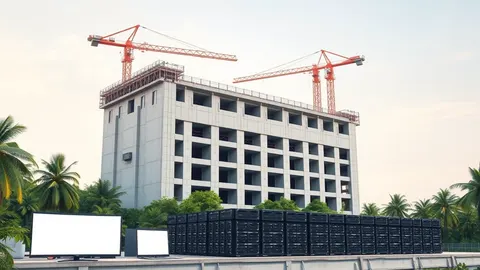
Singapore developer DayOne obtained roughly $3.67 billion from seven banks to fund new facilities in Malaysia, according to a report by Techmeme.

A new report finds the UK government's AI tool for summarizing asylum interviews has a 22 percent failure rate, raising concerns about oversight.

A Hacker News discussion examines Kevin Kelly’s 2016 book The Inevitable and its specific forecasts regarding Google’s AI trajectory.
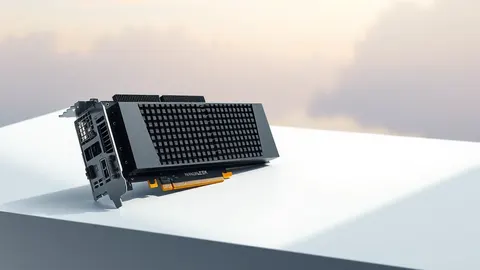
Intel has published technical specifications for its D270 discrete GPU, highlighting a high-capacity memory configuration aimed at AI accelerator workloads in data centers.
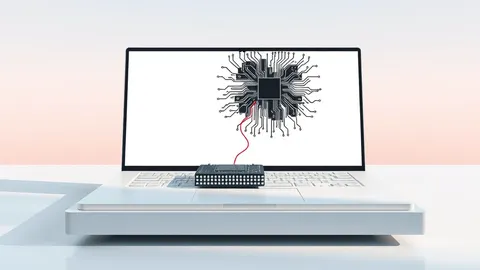
A new academic study accepted for NeurIPS 2026 demonstrates that machine learning models can conceal hidden functions, raising concerns about AI security.

The in-car gaming platform debuts with Zeekr at the Paris Motor Show, marking its first Geely group partnership and expanding to Chinese markets.

Microsoft revealed pricing and availability for the Surface Laptop Ultra on October 7, while rolling out a new Windows Search experience to Insiders.

A review of current job postings highlights openings for CISOs, cloud threat hunters and application security specialists across global firms.

Research from Anthropic’s Frontier Red Team suggests compact AI models could soon spread across vulnerable smart appliances and TV boxes without human intervention.
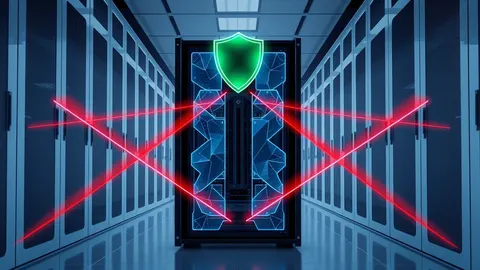
New software targets stolen root credentials and unpatched vulnerabilities in VMware Cloud Foundation, buying admins time to deploy fixes.

Attackers remotely triggered defrost cycles at Intermarché, Netto and Coopérative U stores, disrupting cold storage across France overnight Sunday.

The Technology Innovation Institute released a new speech model focused on Emirati dialects, reporting a 20.92% word error rate on Arabic tests.
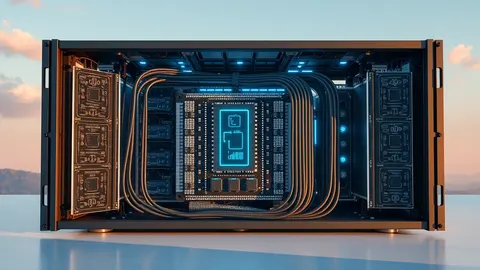
The tech giant unveiled its third-generation custom silicon, aiming to power its AI services with gigawatt-scale deployments by 2027.

A new application allows Android users to access Google’s typing features without requiring root access or specific hardware.