YouTube Music Rolls Out Labels for AI-Generated Songs
Google introduces new disclosures for AI-created audio on YouTube Music, building on similar labeling systems already present in the main YouTube app.
Key points
- YouTube Music now displays labels for tracks created or significantly altered using generative AI tools.
- Publishers can voluntarily disclose AI usage levels, while Google uses detection tools and metadata for identification.
- The labeling feature builds on similar disclosures for AI-generated videos that Google added to YouTube earlier this year.
Google has begun displaying labels for artificial intelligence-generated music on its YouTube Music service. According to Ars Technica, the company is rolling out these disclosures now, building on similar labeling systems it added to the main YouTube app earlier this year. This move aims to help users distinguish between human-created content and tracks produced or modified by generative AI models.
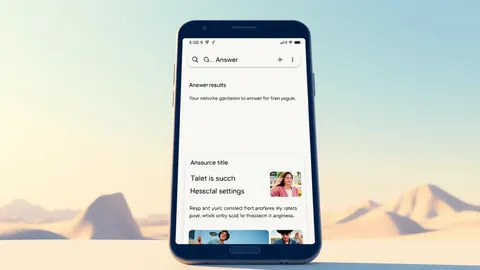
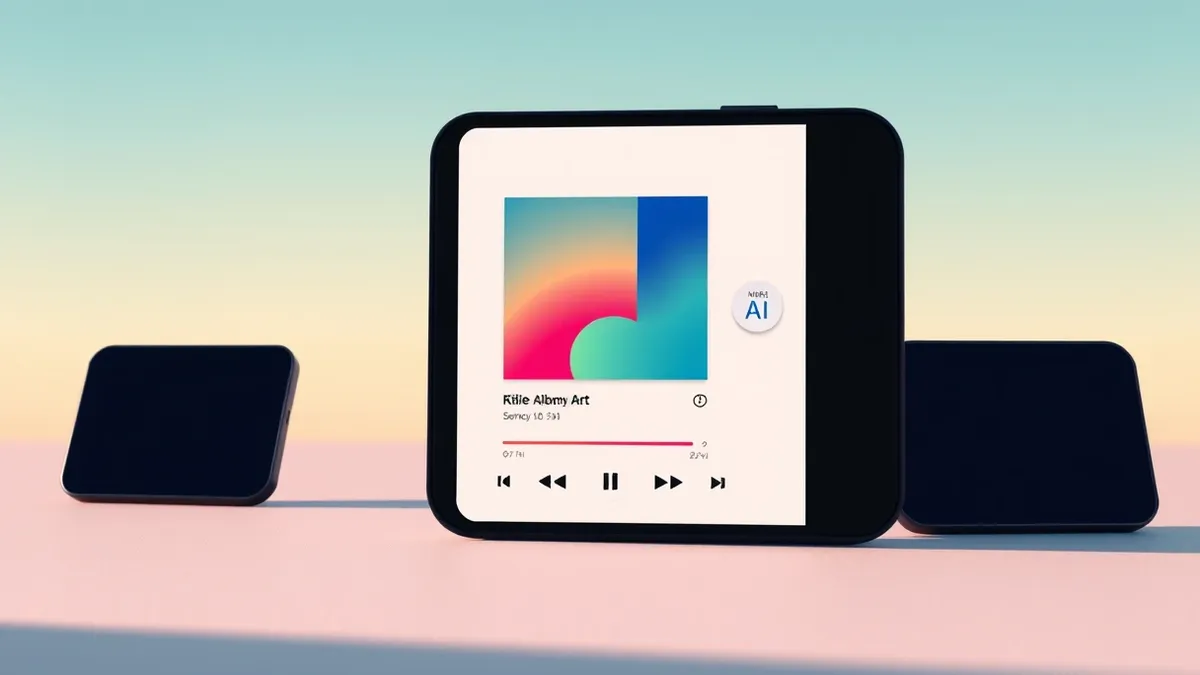
The new labels appear directly on the player page within the app and on the website. Users can tap the label to access a menu containing additional information about the track’s origin. Google states that the label applies to songs that were either created entirely with AI or altered significantly by such tools. This visual indicator mirrors the disclosure system Google introduced for AI-generated videos on YouTube earlier this year, aiming for consistency across its media platforms.
How Detection Works
Google employs a combination of voluntary disclosure and automated detection to identify AI-generated audio. When publishers upload content, they have the option to specify the extent of generative AI usage. The available tiers include fully generated AI, partially generated AI, and no generative AI. However, this self-reporting mechanism is optional, meaning not all creators will provide this information during the upload process.
To supplement voluntary disclosures, Google uses its own detection tools and collaborates with partners to identify AI music. For tracks created using Google’s own AI technologies, the system utilizes SynthID watermarking to indicate generation or editing. Additionally, the platform may leverage C2PA metadata, a standard used by many other AI music creators. These technical markers help the system flag content even when creators do not manually specify AI involvement.
Limitations and Context
Google emphasizes that it is not banning AI music or criticizing the technology. In a blog post, the company stated that generative AI is opening new ways for artists to create, experiment, and share music. However, it acknowledges consumer demand for transparency regarding how songs are produced. The labeling initiative is designed to meet this demand without stifling creative innovation in the music industry.
Despite these efforts, the absence of a label does not guarantee human creation. Ars Technica notes that there are numerous ways to utilize AI tools that leave no identifying mark in the resulting audio file. Consequently, a lack of disclosure should not be interpreted as proof of human talent. This limitation applies to AI labeling across all content types, not just music.
Furthermore, the utility of these labels may differ from video content. On YouTube, viewers are typically looking at the screen where the label is visible. In contrast, music listeners may not be visually engaged with the player interface, potentially missing the disclosure. This distinction suggests that the impact of the labeling system may vary depending on how users consume audio versus video content.
What should you do?
Security and technology professionals should monitor how these labeling standards evolve, particularly regarding metadata standards like C2PA. Organizations managing digital content should review their upload policies to ensure compliance with emerging disclosure requirements. Users should be aware that labels are not foolproof and should not rely solely on them to verify content authenticity.
Background: Generative AI
Generative AI examples include text completion, image synthesis and code generation. These systems predict the next likely token based on vast training datasets. Understanding the underlying mechanics helps you identify risks like data leakage and hallucination in your infrastructure.
Read the full guide: Generative AI Examples: Mechanisms, Risks and Control
What to do and how to stay safe: YouTube Music
- Review organizational content upload policies to align with emerging AI disclosure standards and metadata requirements.
- Monitor vendor updates for changes in how AI-generated content is identified and labeled across platforms.
- Educate users that the absence of an AI label does not guarantee human creation or content authenticity.
- Track the implementation of C2PA and similar metadata standards in digital media workflows.
Step-by-step guide: Prompt Injection Warning Signs: How to Spot AI Manipulation
General security guidance from the Threat Times newsroom. It is not confirmed advice from the organisations named in this story.
Frequently asked questions
Does YouTube Music ban AI-generated songs?
No, Google is not banning AI music. The company states that generative AI offers new creative opportunities for artists.
How does YouTube Music identify AI-generated tracks?
It uses a combination of voluntary publisher disclosure, internal detection tools, SynthID watermarking, and C2PA metadata.
Will this labeling feature come to other platforms?
The labeling system builds on similar disclosures already present in the main YouTube app for AI-generated videos.