Study finds restored atoll ecosystems can help islands keep pace with rising seas
Research in Science Advances shows that native plants, seabirds and healthy reefs allow atolls to build land and adapt to warming oceans.
Key points
- A study of 28 atolls found that native vegetation and seabird populations help islands grow and adapt to rising sea levels.
- Seabird guano provides nutrients that support plant and coral growth, while parrotfish help maintain beaches by processing dead coral.
- Removing invasive rats and replacing coconut plantations with native forests could help atolls persist under projected warming scenarios.
An international team led by Lancaster University marine ecologist Nick Graham published findings Wednesday in Science Advances showing that restoring atoll ecosystems helps these islands keep pace with rising seas. The study analyzed data from 28 atoll islands across the Pacific and Indian oceans to determine how ecological health influences land formation and resilience against global warming impacts.
The research indicates that atolls with thriving seabird populations and native vegetation function as naturally active systems capable of adapting to environmental changes. Graham stated that these ecosystems can change and adapt if allowed to do so. The findings suggest that restoring these natural components reinforces island growth, offering a potential buffer against the physical threats posed by increasing ocean levels and changing climate conditions.
How Ecosystems Drive Island Growth
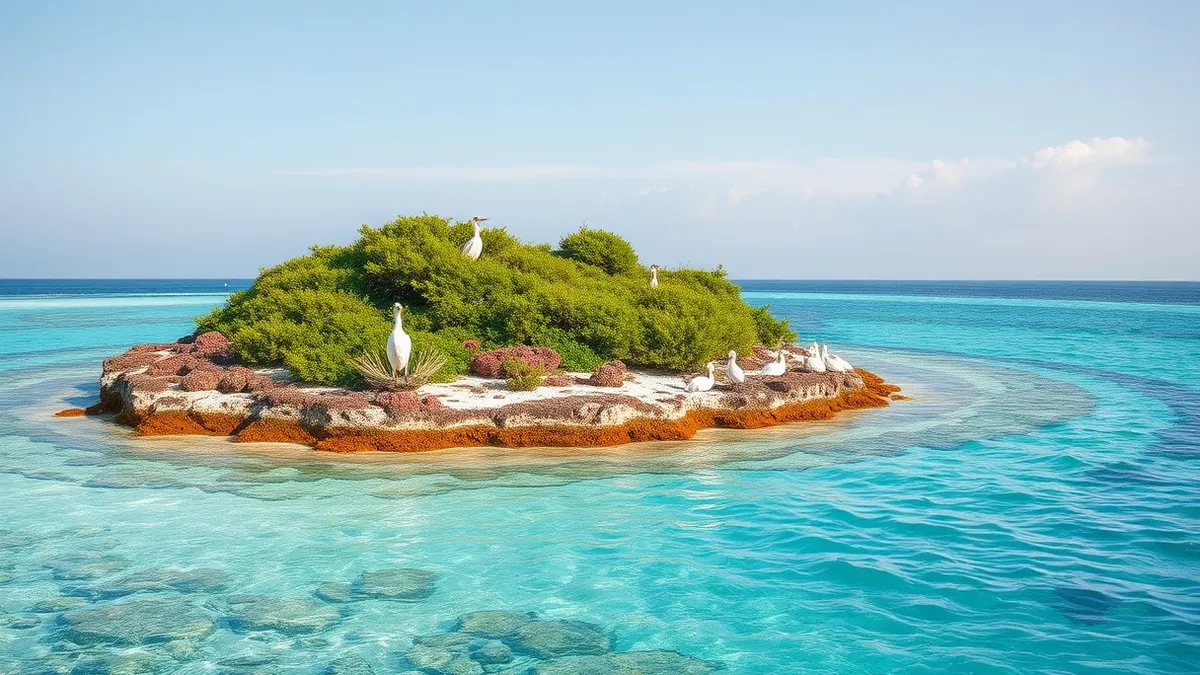
The study reveals that seabirds play a critical role in nutrient cycling by ferrying materials from the open ocean and depositing them on atolls as guano. This nutrient-rich waste nurtures land plants, marine life, and coral growth, providing essential material for reef building. Parrotfish and other reef feeders further contribute by turning dead coral into sand, which helps maintain beaches and stabilize the island structure against erosion and wave action.
Native plants with extensive root networks also stabilize sediments, preventing land loss. The combination of seabird activity, plant growth, and reef health creates a virtuous cycle where ecosystems become better able to sustain themselves. This dynamic system allows the islands to build resilience against growing environmental impacts, effectively using biological processes to counteract the physical stresses of a warming planet and rising tides.
Scope and Methodology of the Research
The scientific team combined measurements from terrestrial ecologists, marine ecologists, and geomorphologists to trace energy flow through the ecosystems. They used an approach called ecosystem energetics, which treats energy flow as a common currency to connect organisms typically studied in isolation. This method allowed the researchers to analyze how different biological components interact to support the overall structural integrity and growth of the atoll islands.
Data was collected from islands in the Seychelles and Chagos archipelagos in the Indian Ocean, as well as Tetiaroa, an atoll in French Polynesia in the Pacific Ocean. By examining these diverse locations, the team established a broader understanding of how ecosystem health correlates with land persistence. The findings provide evidence that nature restoration can buffer the impacts of global warming, similar to how restoring wetlands and forests reduces flood and fire hazards elsewhere.
What should you do?
Policymakers and conservation groups should consider the integration of ecological restoration into coastal resilience planning. The study suggests that specific interventions, such as eradicating invasive rats and replacing monoculture plantations with native forests, could give atolls a fighting chance. These actions support the natural processes that allow islands to build land and adapt to sea-level rise expected toward the end of the century under warming scenarios.
What to do and how to stay safe: Nick Graham
- Monitor local conservation efforts for invasive species removal programs that target rodents on island ecosystems.
- Support initiatives that replace non-native agricultural plantations with native vegetation to stabilize soil and sediment.
- Review regional climate adaptation plans for inclusion of ecosystem-based resilience strategies rather than solely engineered defenses.
- Track updates from marine research institutions regarding the long-term effectiveness of seabird population restoration on land growth.
Step-by-step guide: Mobile Device Security: How to Protect Data Beyond Passwords
General security guidance from the Threat Times newsroom. It is not confirmed advice from the organisations named in this story.
Frequently asked questions
How do seabirds help atoll islands grow?
Seabirds ferry nutrients from the open ocean and deposit them as guano, which nurtures land plants, marine life, and coral growth essential for reef building.
What specific actions can help atolls persist under warming?
Eradicating rats and replacing coconut plantations with native forests and brush can help atolls persist at the rate of sea-level rise expected by century's end.
Which islands were included in the study?
The study included data from islands in the Seychelles and Chagos archipelagos in the Indian Ocean, and Tetiaroa in French Polynesia in the Pacific Ocean.