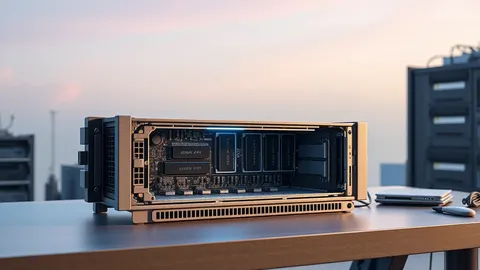
Intel unveils 480GB D-series GPU for AI inference using LPDDR5X memory
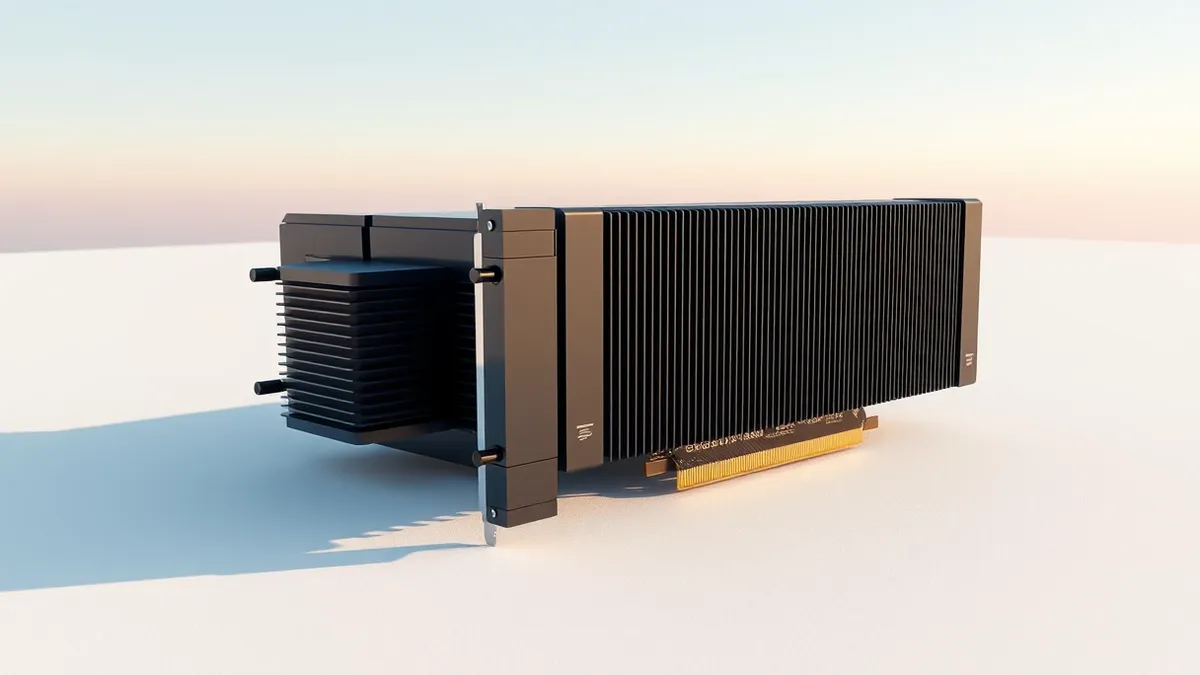
Intel’s new D-series accelerator features 480GB of LPDDR5X memory, surpassing Nvidia’s Blackwell Ultra B300 in capacity for enterprise AI workloads.
Key points
- Intel D-series GPU offers 480GB of LPDDR5X memory, the highest capacity for a data center GPU.
- The accelerator delivers 1.3 petaflops of FP8 performance and 1.5TB/s memory bandwidth.
- Designed for AI inference, it supports models up to 300 billion parameters on a single card.
Intel announced its D-series GPU at the recent Open Compute Project Global Summit, introducing a graphics processor with up to 480GB of memory. This release targets demanding artificial intelligence inference workloads rather than consumer gaming applications. The hardware represents a significant shift in data center accelerator design priorities, focusing on massive memory capacity to support large language models.
The D-series, previously known by the Crescent Island codename, utilizes LPDDR5X memory technology. This choice contrasts with the GDDR7 memory typically associated with modern high-performance graphics cards. LPDDR5X is commonly found in power-conscious devices like laptops. Intel prioritized memory capacity and power efficiency for AI inference tasks over conventional graphics card architectures.
Technical Specifications and Performance
The Intel D-series now holds the record for the highest memory capacity among data center GPUs. It surpasses Nvidia’s Blackwell Ultra B300, which offers 288GB of HBM3e memory. Intel rates the D-series at 1.3 petaflops for FP8 computation. FP8 is a numerical format that accelerates AI operations while reducing memory requirements compared to higher-precision formats.
The accelerator provides 1.5TB/s of memory bandwidth. This metric indicates how quickly data can move between the memory and the processor. The system consumes 350 watts of power. These specifications suggest a design optimized for sustaining heavy computational loads over extended periods without excessive energy expenditure.
Enterprise AI Applications
Intel states the accelerator can support large language models containing up to 300 billion parameters on a single card. An eight-GPU system can accommodate models exceeding one trillion parameters. These capabilities are intended for lengthy prompts and simultaneous inference requests. The hardware also targets enterprise AI services and robotics applications requiring responsive processing.
Anil Nanduri, vice president of AI Products & GTM for Intel Data Center Group, said inference is becoming the defining AI workload. He noted that enterprises need infrastructure delivering the right performance at the right cost. The 480GB capacity ensures substantial model weights and associated data remain accessible during inference operations.
What should you do?
Security and technology professionals should monitor Intel’s official channels for pricing and availability details. Evaluate current data center power and cooling capacities to determine if they can support 350W accelerators. Assess whether existing AI workloads require the specific memory capacity offered by the D-series. Plan for potential software stack adjustments to leverage FP8 computation formats effectively.
Background: Large language models
Large language models are a specific type of neural network trained on text. Generative AI is the broader umbrella term for any system that creates new content, including images and code. Not all generative AI uses large language models, but most modern text generators do.
What to do and how to stay safe: Intel
- Review data center power budgets to ensure compatibility with 350W GPU accelerators.
- Analyze current AI model sizes to determine if 480GB memory capacity is necessary.
- Monitor vendor announcements for software support and driver updates for the D-series.
- Compare total cost of ownership between LPDDR5X-based solutions and HBM-based alternatives.
Step-by-step guide: Prompt Injection Warning Signs: How to Spot AI Manipulation
General security guidance from the Threat Times newsroom. It is not confirmed advice from the organisations named in this story.
Frequently asked questions
What type of memory does the Intel D-series GPU use?
The Intel D-series GPU uses LPDDR5X memory, which is commonly found in laptops and power-conscious devices.
How does the D-series memory capacity compare to Nvidia’s Blackwell Ultra B300?
The Intel D-series offers 480GB of memory, surpassing Nvidia’s Blackwell Ultra B300 which has 288GB of HBM3e memory.
What is the FP8 performance rating of the Intel D-series?
Intel rates the D-series at 1.3 petaflops for FP8 computation.