AI
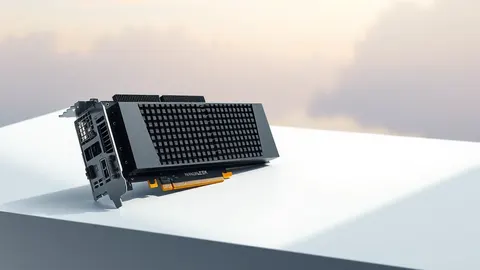
Intel Details D270 Data Center GPU Specs With 480 GB LPDDR5X Memory
Intel has published technical specifications for its D270 discrete GPU, highlighting a high-capacity memory configuration aimed at AI accelerator workloads in data centers.
Everything Threat Times has reported about Intel: 13 stories, newest first. Part of our AI coverage.
Intel has published technical specifications for its D270 discrete GPU, highlighting a high-capacity memory configuration aimed at AI accelerator workloads in data centers.

Experts argue that decades of security experience can help prevent irreversible consequences in the emerging AI landscape.

Top executives from Broadcom and Intel warn that rising borrowing costs and limited capital access could bottleneck artificial intelligence expansion.

Intel plans to discontinue Software Guard Extensions after the next Xeon generation, prioritizing Trust Domain Extensions for cloud and AI workloads.

Executives at two major chipmakers highlight funding constraints and supply chain imbalances as key risks for the artificial intelligence industry.

Gamers can maintain high frame rates on aging graphics cards by leveraging AI-driven upscaling and frame generation technologies.

Rising cloud token costs for agentic workloads are pushing enterprises to reconsider on-premises infrastructure and open-weight model strategies.

Intel officially brands its Crescent Island inference chip as the GPU D-Series, targeting air-cooled rack deployments with up to 480GB of high-bandwidth memory.

Intel developers have released updated open-source driver code enabling HDMI 2.1 FRL support for Meteor Lake processors and newer hardware platforms.

A quarter century after launch, AMD’s Athlon XP PR system is remembered for shifting CPU marketing away from raw clock speeds.

Gigabyte confirms BIOS support for new Intel CPUs on B760 and H610 boards, signaling a Raptor Lake Next launch in early 2027.

Intel has begun rolling out Wi-Fi and Bluetooth drivers that follow Microsoft's new Driver Quality Initiative, aiming to improve system stability and security on Windows 11.
Intel reportedly aims to launch new processors compatible with older hardware to mitigate the impact of the ongoing RAM supply shortage.