ISACA Survey Shows Gender Discrimination in Tech Rises to 47 Percent
A new study by ISACA reveals that nearly half of women in technology report unfair treatment based on gender, an increase from two years ago.

Key points
- % of women in tech report gender-based discrimination, up from 42% two years prior.
- % of women experience work-related stress or burnout, compared to 57% of men.
- Only 25% of employers provide mental health days, despite retention being a major concern.
ISACA, a global association for IT governance and security professionals, released survey data indicating that 47 percent of women working in the technology sector have experienced unfair treatment due to their gender. This figure represents a notable increase from 42 percent recorded in a similar survey conducted two years ago, according to The Next Web.
The association highlighted this rise despite growing industry awareness of the issue. The survey results suggest that discrimination remains a persistent challenge within the workforce. Women reported feeling equally unhappy as men regarding company culture, job security, and the pace of their promotions, indicating broad dissatisfaction across gender lines.
Workplace Challenges and Retention
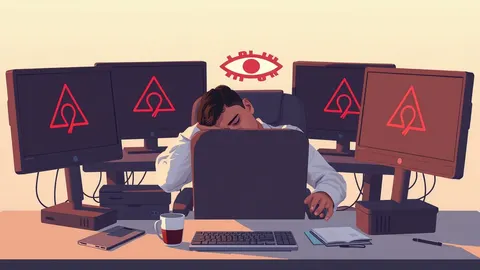
Stress and burnout are widespread among technology professionals, with 59 percent reporting job-related pressure. The primary drivers include heavy workloads, insufficient resources, and inadequate management support. Women face higher rates of these issues, with 64 percent reporting stress or burnout, compared to 57 percent of male respondents.
Employers are struggling to retain staff, with four out of five respondents identifying employee retention as a significant or moderate problem. However, support mechanisms remain limited. Only one in four employers offers days off for mental health reasons, and a similar proportion provides no assistance for burnout.
Julia Hermann, a member of ISACA’s SheLeadsTech Global Advisory Group, stated that retention challenges indicate good intentions are not yet translating into action. This disconnect between policy and practice continues to hinder workforce stability.
Representation and Career Advancement
Only 53 percent of women believe they have real influence on company strategy, whereas 66 percent of men share this belief. This disparity extends to leadership perceptions. For both genders, the lack of a clear promotion route is the biggest career barrier. One third of all respondents cited this issue, with the figure rising to 41 percent among women and dropping to 33 percent among men.
Awareness of representation gaps is high, with 63 percent of women believing there are not enough women in the industry. Forty-one percent of men agree with this assessment. Looking forward, roughly seven in ten respondents expect more women to join the tech sector within five years, regardless of gender.
To support future growth, 69 percent of women want more female mentors and role models. Additionally, 55 percent of all respondents believe institutions should hire more women as tech lecturers and create professional networks. Pay disparities also persist, with women in European tech earning 26 percent less than men on average, according to a 2024 analysis.
What should you do?
Organizations should review their internal promotion pathways to ensure clarity and fairness for all employees. Leaders can implement regular mental health check-ins and provide tangible resources for burnout prevention. Companies should also establish mentorship programs that connect junior staff with senior leaders.
What to do and how to stay safe: ISACA
- Audit internal promotion criteria to ensure transparent and equitable advancement opportunities for all staff.
- Implement structured mentorship programs that pair junior employees with experienced leaders to support career growth.
- Review workload distribution and management practices to address the root causes of employee burnout and stress.
- Conduct regular pay equity analyses to identify and rectify gender-based wage disparities within the organization.
General security guidance from the Threat Times newsroom. It is not confirmed advice from the organisations named in this story.
Frequently asked questions
How has the rate of gender discrimination in tech changed recently?
A new ISACA survey shows that 47 percent of women in tech report unfair treatment, up from 42 percent two years ago.
What is the biggest barrier to career advancement for tech professionals?
The absence of a clear route to promotion is the greatest factor, cited by one third of all respondents.
Do employers provide support for mental health and burnout?
Only one in four employers gives staff days off for mental health reasons, and almost as many provide no assistance for burnout.