CVE-2026-109157: Stack-Based Buffer Overflow Flaw in TRENDnet TEW-432BRP Scores 9.4 on CVSS
A newly published critical vulnerability in TRENDnet TEW-432BRP carries a CVSS score of 9.4. Here is what is affected and how to respond.
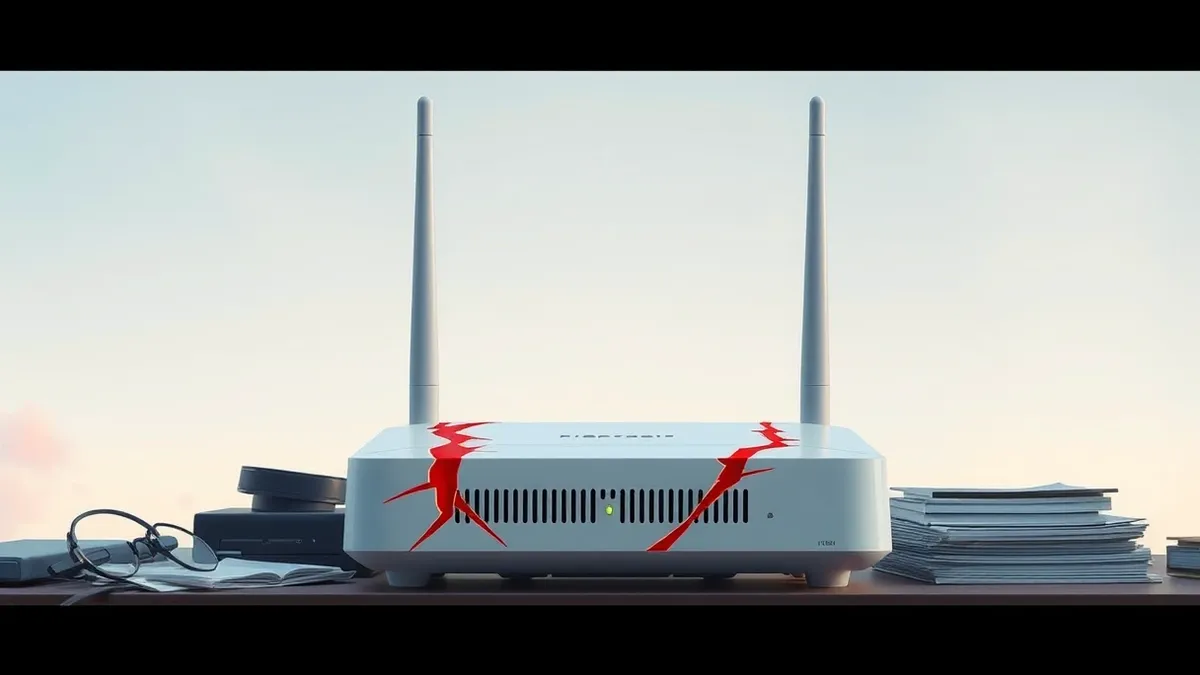
Key points
- CVE-2026-109157 affects TRENDnet TEW-432BRP.
- CVSS 9.4 (Critical).
- No exploitation confirmed yet.
TRENDnet TEW-432BRP is affected by CVE-2026-109157, a stack-based buffer overflow that the National Vulnerability Database rates 9.4 out of 10.
At a glance
- CVE
- CVE-2026-109157
- Product
- TRENDnet TEW-432BRP
- CVSS
- 9.4 Critical
- Weakness
- stack-based buffer overflow
- Exploited
- No known exploitation
What is the vulnerability?
The NVD entry states: A vulnerability was found in TRENDnet TEW-432BRP 3.10B20. Affected by this vulnerability is the function formTcpipSetup of the file /goform/formTcpipSetup. Performing a manipulation of the argument Name results in stack-based buffer overflow. It is possible to initiate the attack remotely. The exploit has been made public and could be used. The vendor confirms: "As this router was EOL'd in 2011, we have no way of testing if such vulnerability exists. We will notify our customers of a potential vulnerability on this product." This vulnerability only affects products that are no longer supported by the maintainer.
Affected versions
| Vendor | Product | Versions |
|---|---|---|
| Trendnet | TEW-432BRP | 3.10B20 |
Is it being exploited?
There is no public confirmation of exploitation at the time of publication. It does not appear in CISA's Known Exploited Vulnerabilities catalog. We will update this report if that changes.
What should you do?
- Identify whether the affected product and versions run in your environment.
- Apply the vendor update listed in the advisory as soon as it is available.
- Limit network exposure of the affected service until it is patched.
- Monitor the vendor advisory for updated guidance or exploitation reports.
What to do and how to stay safe: CVE-2026-109157
- Patch scores alone ignore context like network exposure and asset criticality.
- You must map vulnerabilities to specific business risks to prioritize correctly.
- Continuous exposure data replaces static scanning for accurate prioritization.
Prioritize vulnerabilities by actual exploitability and business impact, not by theoretical severity scores. Update your asset context and exposure data continuously to maintain accurate risk rankings.
Step-by-step guide: Risk Based Vulnerability Management: Prioritize Fixes by Actual Threat
General security guidance from the Threat Times newsroom. It is not confirmed advice from the organisations named in this story.
Frequently asked questions
What is CVE-2026-109157?
CVE-2026-109157 is a stack-based buffer overflow vulnerability in TRENDnet TEW-432BRP.
How severe is CVE-2026-109157?
It has a CVSS score of 9.4 Critical.
Is CVE-2026-109157 being exploited?
There is no public confirmation of exploitation at the time of publication.