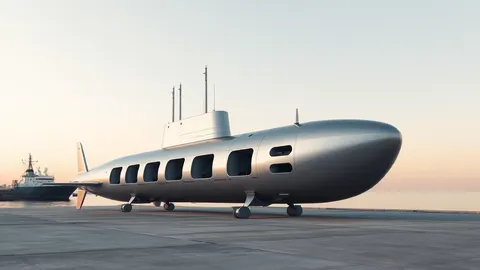
Royal Navy deploys high-pressure water jets to shield £4bn nuclear subs from drone threats
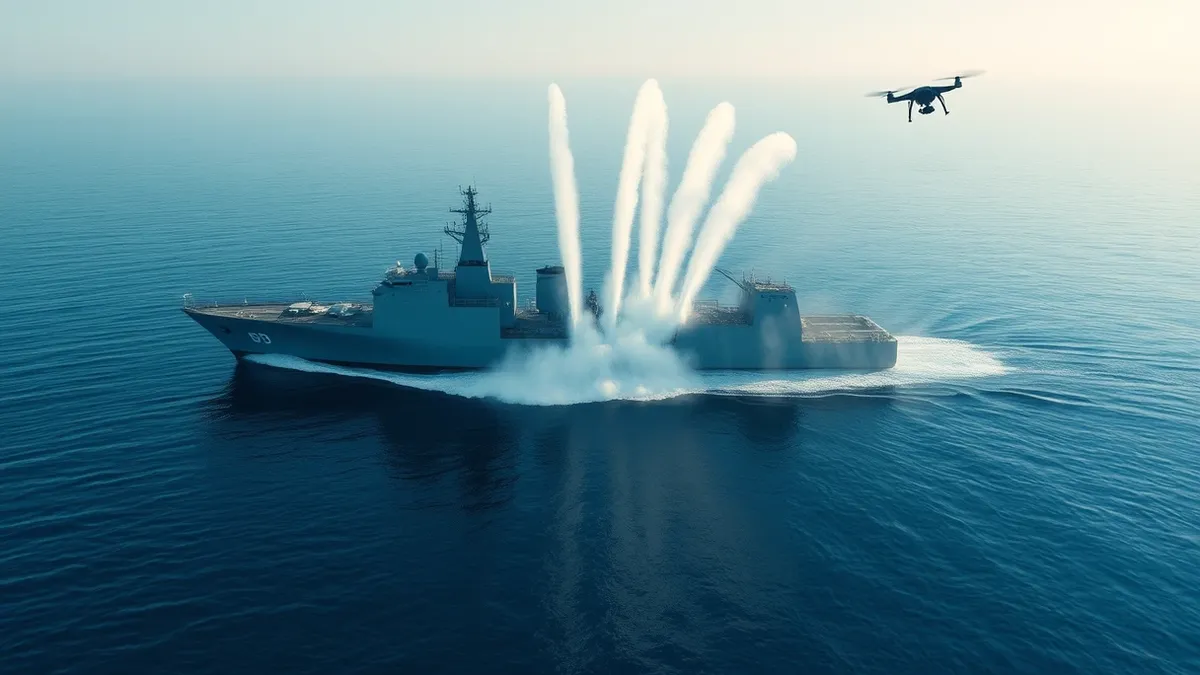
British sailors are learning to wield high-pressure water jets as a final defensive measure to protect nuclear assets from unmanned aerial threats.
Key points
- Royal Navy crews at HMNB Clyde are training to repel drones using firefighting equipment.
- The high-pressure water jets serve as an emergency response when existing security layers fail.
- Each Vanguard-class submarine costs approximately £4 billion, highlighting the value of the protected assets.
The Royal Navy is training its nuclear submarine crews to use high-pressure fire hoses to defend against hostile drones. According to a report by TechRadar, British sailors stationed at a naval base in Scotland are practicing this unconventional tactic to protect the nation's strategic deterrent fleet from aerial attacks.
This emergency procedure involves using powerful water jets to knock down or divert small and medium-sized FPV drones that have breached perimeter security. The equipment consists of handheld nozzles with pistol-style controls, allowing sailors to aim concentrated streams of water at approaching unmanned aircraft while the vessels are docked or operating above water.
Emergency Defence Measures
The decision to utilize firefighting gear stems from the need for an immediate, low-cost response when other defensive measures fail. A naval source acknowledged the limitations of relying on such equipment against airborne threats, noting that the hoses cannot detect or automatically track incoming drones. However, the source stated that in a dire situation, personnel must use whatever resources are available to protect the vessel.
TechRadar notes that the system is relatively inexpensive and environmentally friendly compared to conventional air defence systems. While it lacks the sophistication of radar-guided weaponry, it provides crews with a tangible means of responding to threats that evade existing security arrangements around the nuclear deterrent installation.
Protecting High-Value Assets
The submarines involved are Vanguard-class vessels stationed at HMNB Clyde, the Scottish naval installation responsible for housing Britain's nuclear deterrent fleet. Each of these submarines costs approximately £4 billion and carries Trident II D5 ballistic missiles equipped with nuclear warheads. These assets form the maritime component of the country's strategic deterrence capability, making their protection a high priority for the Royal Navy.
The reliance on water-based protection is particularly striking given the immense financial and strategic value of the targets. The practical effectiveness of this method depends on whether sailors can deploy the hoses quickly enough to neutralize threats that have already penetrated outer security layers.
What should you do?
Organizations with high-value physical assets should review their layered security strategies to ensure emergency response options are available if primary defences are breached. Security teams should assess whether existing infrastructure, such as fire suppression systems, can be adapted for secondary defensive roles during critical incidents.
What to do and how to stay safe: Royal Navy
- Conduct a physical security assessment to identify potential gaps in perimeter defences against unmanned aerial systems.
- Train personnel on emergency response procedures that utilize available infrastructure when specialized counter-drone technology is unavailable.
- Monitor official channels for updates on naval security protocols and potential changes to base protection standards.
- Ensure communication lines between security teams and command staff remain open during simulated breach scenarios.
Step-by-step guide: Mobile Device Security: How to Protect Data Beyond Passwords
General security guidance from the Threat Times newsroom. It is not confirmed advice from the organisations named in this story.
Frequently asked questions
Why is the Royal Navy using fire hoses against drones?
The hoses serve as an emergency, low-cost measure to repel drones that have already breached existing security layers around nuclear submarine bases.
What type of drones are they targeting?
The training focuses on repelling small and medium-sized FPV drones that pose a threat to vessels while docked or operating above water.
Is this the primary defence system?
No, it is described as a last line of defence or emergency measure when other defensive arrangements fail to stop incoming aerial threats.