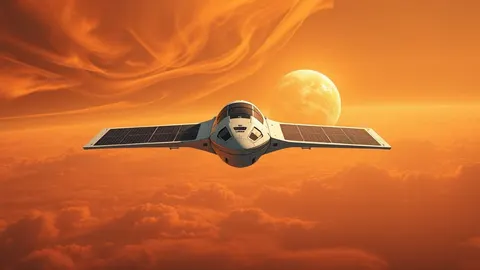
JAXA Launches Mars Moons Mission to Return Phobos Samples with NASA Help
Japan’s Mars Moons eXploration mission launches Monday, aiming to return samples from Phobos to help solve origin mysteries.
Key points
- The Mars Moons eXploration mission launches from Tanegashima Space Center on Monday afternoon.
- NASA contributed the Megane spectrograph and pneumatic sampler technology to the JAXA-led effort.
- Scientists aim to determine if Phobos and Deimos formed from collisions or are captured asteroids.
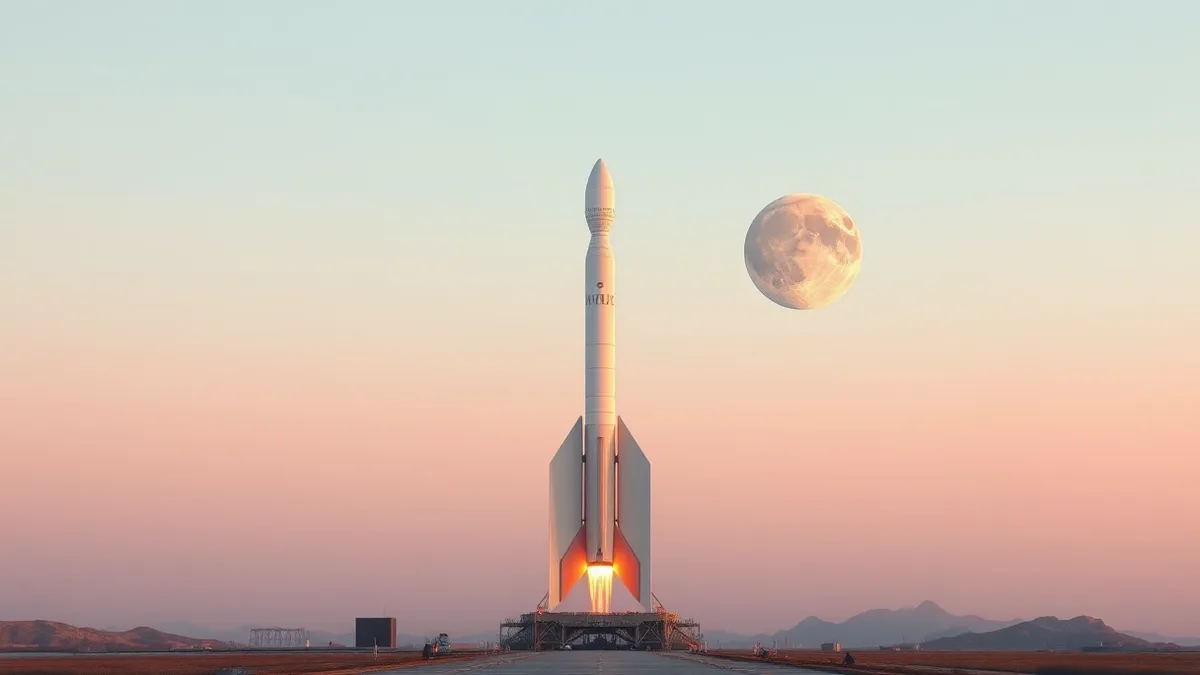
Japan’s Mars Moons eXploration mission launches Monday afternoon from the Tanegashima Space Center. Led by the Japan Aerospace Exploration Agency with contributions from NASA, the spacecraft aims to travel to Mars, study its moons, and return samples from Phobos to Earth.
The launch is scheduled for 3:41 p.m. ET on Monday. JAXA established a livestream for the event, marking what could be the first mission to successfully travel to Mars and bring material back. As Threat Times reported on 2026-10-19, the mission aims to solve lunar origin mysteries.
Scientific Context and Origins
Nicky Fox, associate administrator for NASA’s Science Mission Directorate, stated that the samples will bring paradigm-shifting science for generations. She noted this is especially relevant as NASA prepares to send humans to Mars. Understanding the Martian system helps illuminate how Earth and other inner planets acquired water and organic compounds in the early solar system.
Tom Statler, MMX program executive at NASA Headquarters, added that having answers about the moons helps illuminate the era when inner planets were acquiring much of their water. This data provides better understanding of how celestial bodies formed when the solar system was young, advancing knowledge of Mars’ surface transitions over eons.
Mission Instruments and Theories
NASA contributed specific hardware for the mission, including the Mars-moon Exploration with Gamma rays and Neutrons (Megane) spectrograph. This instrument will study Phobos’ surface. NASA also provided the pneumatic sampler technology demonstration, which is designed to collect the Phobos sample for return.
Scientists are divided on the origins of Deimos and Phobos. Some theories suggest the asteroid-sized moons formed through collisions, similar to the leading theory for Earth’s moon. Other hypotheses propose that the Martian moons are asteroids that were captured by Mars’ gravity over time.
What should you do?
The launch occurs Monday afternoon Eastern Time. JAXA has set up a livestream for the historic event. Professionals interested in space exploration news should monitor official agency channels for updates on the launch window and subsequent mission phases.
What to do and how to stay safe: JAXA
- Monitor official JAXA and NASA channels for launch status updates and livestream links.
- Review technical specifications for the Megane spectrograph and pneumatic sampler to understand data collection methods.
- Track mission progress reports to see how sample return plans align with broader Mars exploration goals.
- Consult scientific publications for background on competing theories regarding the formation of Martian moons.
Step-by-step guide: Mobile Device Security: How to Protect Data Beyond Passwords
General security guidance from the Threat Times newsroom. It is not confirmed advice from the organisations named in this story.
Frequently asked questions
When does the Mars Moons eXploration mission launch?
The mission is scheduled to launch Monday afternoon at 3:41 p.m. ET from the Tanegashima Space Center in Japan.
What role does NASA play in this mission?
NASA contributed the Megane spectrograph instrument to study Phobos’ surface and provided pneumatic sampler technology for collecting samples.
Why are scientists studying Phobos and Deimos?
Researchers aim to determine if the moons formed from collisions or are captured asteroids, which helps explain solar system formation and early planetary evolution.