Laplace Intelligence pitches automated red-teaming for physical AI at TechCrunch Disrupt
The University of Michigan spinout uses AI agents to stress-test robots and self-driving cars in simulation before real-world deployment.
Key points
- Laplace Intelligence competes in Startup Battlefield at TechCrunch Disrupt October 13-15 in San Francisco.
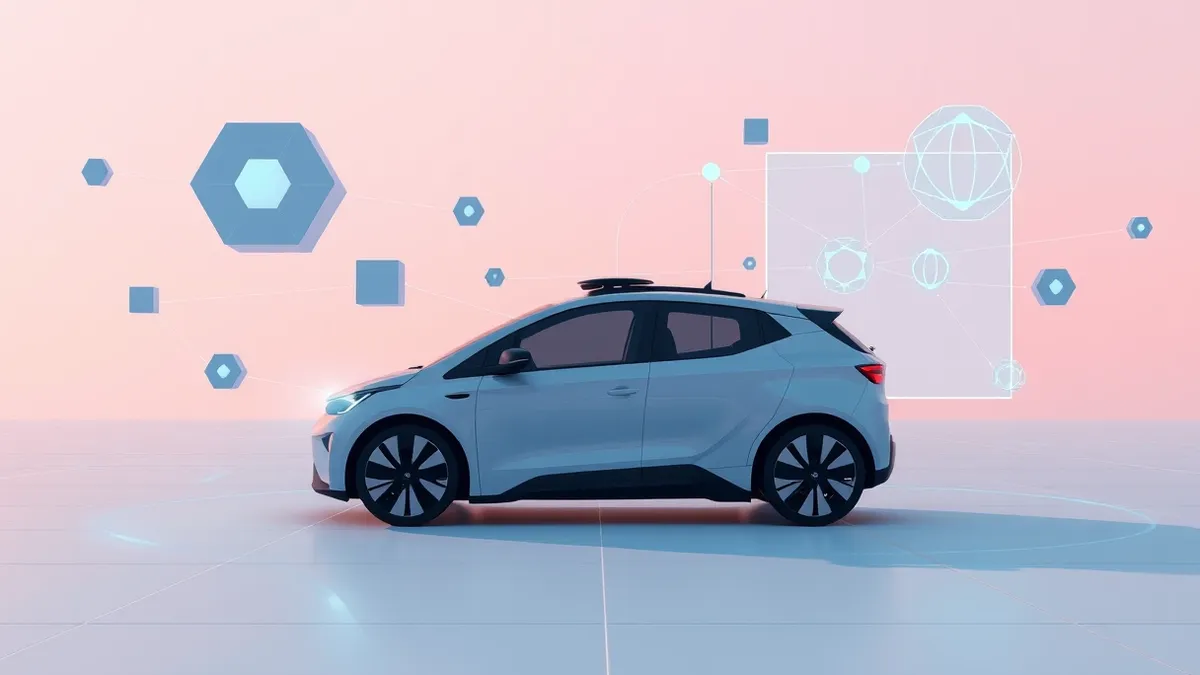
- The startup uses AI agents to probe for weaknesses in robotics and autonomous vehicle systems within high-fidelity simulations.
- Co-founders Howie Sun and Henry Liu transitioned from academic research published in Nature to building this commercial safety tool.
Laplace Intelligence will present its automated red-teaming platform for physical AI on the Disrupt Stage on Tuesday afternoon, October 13. The Ann Arbor-based startup is one of twenty companies competing in the Startup Battlefield 200 pitch competition at TechCrunch Disrupt in San Francisco this week.
The company aims to discover and fix safety issues in robots and self-driving vehicles before they are deployed in the real world. According to TechCrunch, Laplace builds automated red-teaming systems that deliberately try to make physical AI fail. This stress-testing approach relies on AI agents probing for weaknesses inside high-fidelity simulations reconstructed from real-world environments.
Academic Roots and Simulation Strategy
Howie Sun, CEO and co-founder, stated that AI agents are moving from computers into the physical world, creating risks of real-world failure. He cited the unpredictability seen in the OpenAI-Hugging Face incident as a warning for physical systems. Laplace was founded a year ago by Sun and chief scientist Henry Liu, emerging from the University of Michigan.
Sun spent eight years in academia researching how to challenge autonomous driving AI in simulation. In 2023, he and Liu, his former PhD adviser, published a paper on the subject that appeared on the cover of the journal Nature. That publication attracted interest from autonomous vehicle companies wanting to implement their ideas.
Sun decided to move the research from academia to a useful product. The startup is named after “Laplace’s demon,” an 1814 thought experiment by Pierre-Simon Laplace. That concept imagined predicting the future with total precision if one knew the exact state of the universe. Sun said the company uses simulation to predict the real world’s future.
Safety Goals and Market Position
Laplace is a profitable startup that believes the only way to ensure physical AI safety is to have AI test it. The goal is to build a shared foundation of evidence that customers, insurers, and regulators can trust over time. The system tests various physical AI applications, including robots, autonomous vehicles, and smart city solutions.
The platform ensures that any physical AI is safe in simulation before deployment. By constantly probing for failure points, the AI agent helps companies avoid real-world incidents. This method addresses the growing concern that unpredictable AI agents could cause harm when operating in physical spaces.
What should you do?
Security and technology professionals should monitor developments in AI safety testing tools as physical AI deployment increases. Organizations deploying robots or autonomous vehicles should evaluate whether their current testing protocols include adversarial simulation. It is important to verify that vendors provide evidence of stress-testing against unpredictable agent behaviors.
What to do and how to stay safe: Laplace Intelligence
- Review your organization's deployment pipeline for physical AI to ensure it includes automated adversarial testing in simulation.
- Assess whether current safety validation methods account for unpredictable AI agent behaviors in real-world scenarios.
- Monitor vendor disclosures regarding their red-teaming processes and the evidence they provide to regulators and insurers.
- Establish internal criteria for what constitutes sufficient safety evidence before deploying robots or autonomous vehicles.
Step-by-step guide: Mobile Device Security: How to Protect Data Beyond Passwords
General security guidance from the Threat Times newsroom. It is not confirmed advice from the organisations named in this story.
Frequently asked questions
What is Laplace Intelligence's core technology?
Laplace Intelligence uses AI agents to conduct automated red-teaming on physical AI systems within high-fidelity simulations.
When will Laplace present at TechCrunch Disrupt?
The company will present on the Disrupt Stage on Tuesday afternoon, October 13, during the Startup Battlefield competition.
Who founded Laplace Intelligence?
Laplace Intelligence was founded by CEO Howie Sun and chief scientist Henry Liu, who previously collaborated at the University of Michigan.