Amazon Operates Over One Million Active Warehouse Robots Globally
Amazon leads the world in robotic automation with more than one million active units, while maintaining a human workforce of 1.5 million employees.
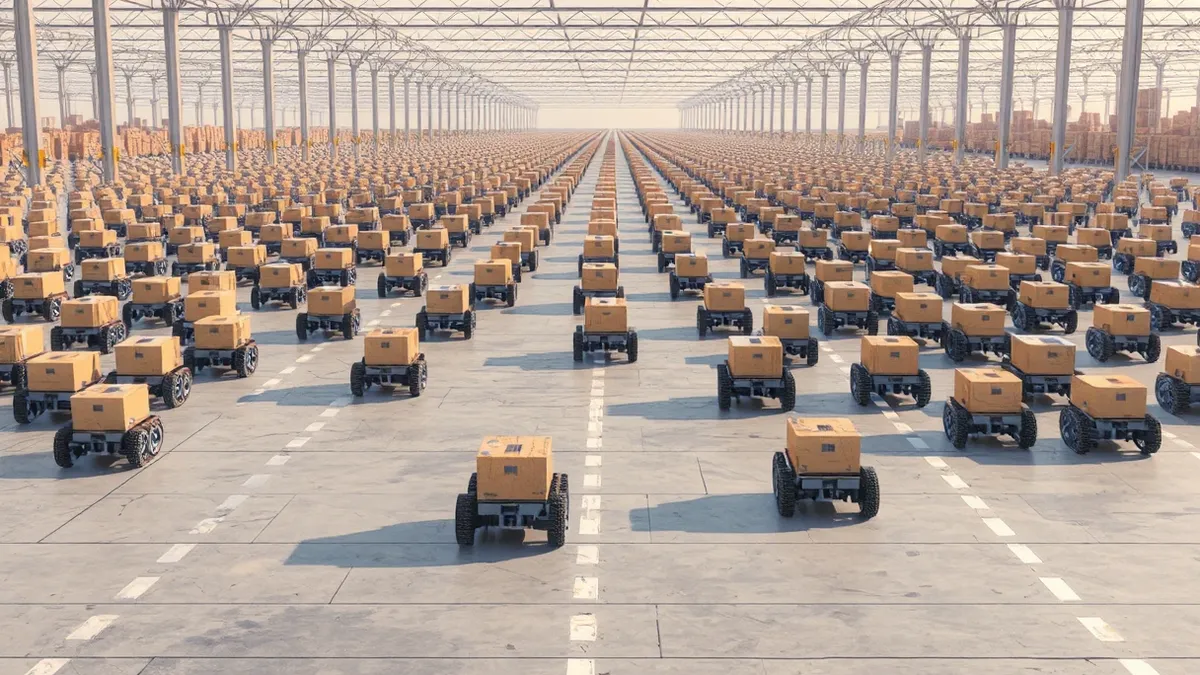
Key points
- Amazon operates more than one million active warehouse robots.
- The company remains the world’s second-largest corporate employer.
- Amazon employs 1.5 million human workers alongside its robotic fleet.
Amazon currently operates more than one million active warehouse robots, making it the organization with the largest robotic workforce in the world. According to a report by Jeremy Hsu for Ars Technica, this scale of automation highlights the company’s continued expansion of robotics infrastructure within its logistics operations.
The deployment of this massive robotic fleet coincides with Amazon maintaining its position as the world’s second-largest corporate employer. The company reports having 1.5 million human workers. This figure indicates that the growth in robotic automation has not resulted in a net reduction of the total human headcount reported in the source material.
Scale of Automation
The Ars Technica analysis describes the situation as a deep dive into Amazon’s specific robotics efforts. The resulting metric is a count of more than one million active robots. No other organization in the world operates a larger number of robots than Amazon, according to the publication. This volume suggests a significant integration of automated systems into daily warehouse functions.
The report does not specify the types of robots used or the specific warehouses where they are deployed. It focuses on the aggregate number of active units. The distinction between active robots and total robots purchased or in development is not detailed in the provided summary. The focus remains on the operational count of the machinery currently in use.
Workforce Context
Amazon’s human workforce stands at 1.5 million employees. This makes the company the second-largest corporate employer globally. The coexistence of this large human workforce with a million-plus robotic fleet is a key data point from the Ars Technica report. The material does not provide a breakdown of roles or locations for these human employees.
The source material does not state whether the robotic expansion has displaced specific categories of workers. It simply presents the two figures side by side: the robot count and the human employee count. There is no mention of hiring freezes, layoffs, or new hiring initiatives related to the robotics deployment in the provided text.
What should you do?
Security and technology professionals should monitor supply chain partners for changes in automation levels that could affect physical security protocols. Organizations should review access controls for warehouses that utilize high volumes of automated machinery. Stakeholders should track vendor disclosures regarding the integration of robotics into logistics networks.
What to do and how to stay safe: Amazon
- Review physical security assessments for facilities that have recently increased robotic automation.
- Verify that access logs for warehouse robots are integrated with central monitoring systems.
- Assess supply chain dependencies on companies with large-scale robotic operations.
- Monitor vendor communications for updates on robotic fleet management and security.
Step-by-step guide: Mobile Device Security: How to Protect Data Beyond Passwords
General security guidance from the Threat Times newsroom. It is not confirmed advice from the organisations named in this story.
Frequently asked questions
How many robots does Amazon currently operate?
Amazon operates more than one million active warehouse robots, according to the report.
Is Amazon the largest employer in the world?
No, Amazon is the world’s second-largest corporate employer with 1.5 million workers.
Does any other organization operate more robots than Amazon?
No, no organization in the world operates more robots than Amazon.