Sabi raises $50M seed to build neural-sensor baseball cap for AI control
Palo Alto startup Sabi secured $50 million in seed funding to develop a wearable device that translates brain signals into text prompts for AI agents.
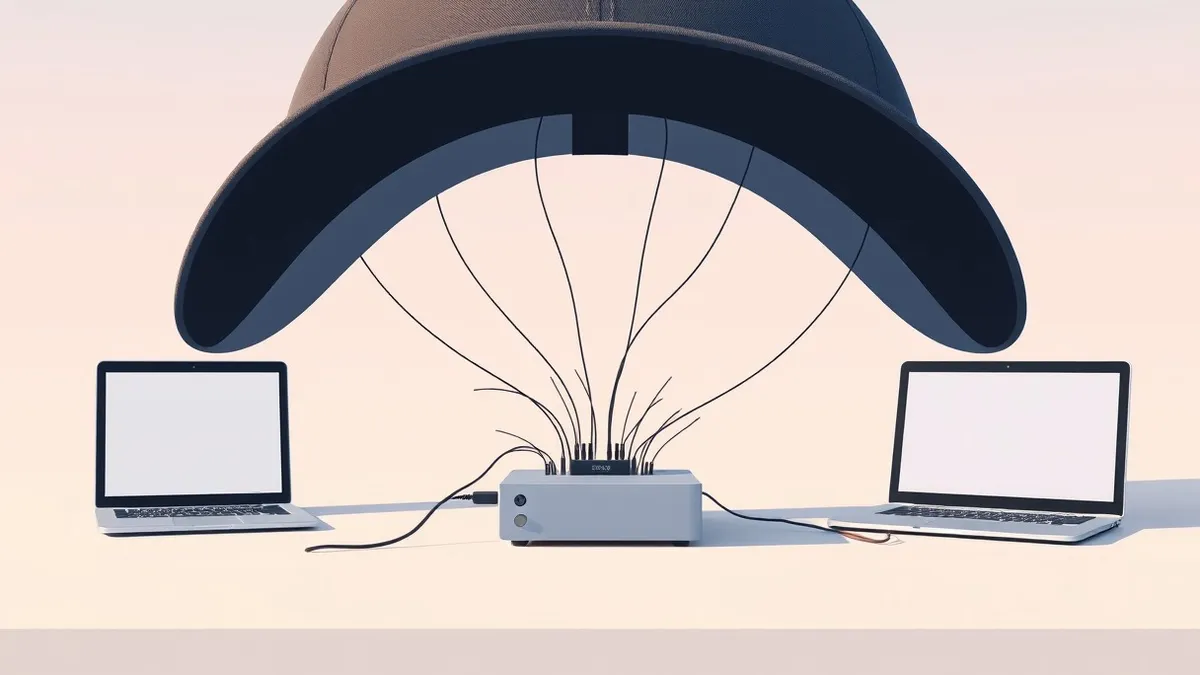
Key points
- Sabi has raised $50 million in seed funding.
- The company is developing a baseball cap equipped with 100,000 non-contact neuro-sensors.
- The device aims to convert neural signals into text prompts for AI systems.
Palo Alto-based startup Sabi has secured $50 million in seed funding to advance the development of a wearable technology that interfaces directly with human neural activity. According to a report by Forbes, the capital injection supports the company’s goal of enabling users to communicate with artificial intelligence agents through thought alone.
The funding round highlights growing investor interest in brain-computer interface (BCI) technologies that move beyond medical applications into consumer productivity and AI interaction. Sabi’s proposed solution involves a baseball cap outfitted with 100,000 non-contact neuro-sensors. These sensors are designed to detect neural signals and convert them into text prompts, which can then be processed by AI systems. This approach eliminates the need for traditional input methods such as keyboards or voice commands, potentially streamlining the interaction between users and AI agents.
Technology and Market Context
The development of non-contact neural sensing technology represents a significant engineering challenge. By utilizing 100,000 sensors within a standard baseball cap form factor, Sabi is attempting to create a scalable and socially acceptable wearable device. The high density of sensors is intended to capture sufficient neural data to accurately interpret user intent and translate it into actionable text prompts.
According to Forbes, the core value proposition of Sabi’s device is its ability to allow people to "talk to their AI agents just by thinking." This functionality positions the product at the intersection of wearable technology and generative AI. As AI agents become more prevalent in professional and personal workflows, the demand for efficient, low-friction input methods is increasing. Sabi’s technology aims to address this demand by providing a direct neural interface for AI communication.
Implications for Users and Developers
The successful deployment of such a device would fundamentally alter how users interact with digital systems. For security and technology professionals, the emergence of neural-input devices introduces new considerations regarding data privacy and signal integrity. The neural data collected by the 100,000 sensors would be highly sensitive, requiring robust protection mechanisms to prevent unauthorized access or misuse.
Furthermore, the translation of neural signals into text prompts raises questions about accuracy and reliability. If the system misinterprets neural activity, it could lead to unintended actions by AI agents. Developers and users will need to establish clear protocols for verifying commands issued through such interfaces. The $50 million seed round suggests that Sabi has significant resources to address these technical and safety challenges during the development phase.
What should you do?
Security and technology professionals should monitor developments in brain-computer interface technologies to understand potential security implications. Organizations should assess their data privacy policies to ensure they can accommodate new types of biometric and neural data. It is also important to stay informed about regulatory frameworks that may emerge to govern the collection and use of neural signals.
Background: Privacy policies
A privacy policy is a legal document that explains what data a company collects, why it collects it, and how it shares that information. It defines your rights regarding consent and deletion. Understanding it helps you control your digital footprint and avoid unintended data exposure to third parties.
Read the full guide: How Privacy Policies Actually Work: A Practical Explanation
What to do and how to stay safe: Sabi
- Monitor industry reports and technical publications for updates on Sabi’s development progress and any published security assessments.
- Review existing data privacy and security policies to identify gaps related to the collection and processing of neural or biometric data.
- Evaluate the potential impact of neural-input devices on current AI workflows and security protocols within your organization.
- Stay informed about emerging regulations and standards for brain-computer interface technologies to ensure compliance.
Step-by-step guide: Prompt Injection Warning Signs: How to Spot AI Manipulation
General security guidance from the Threat Times newsroom. It is not confirmed advice from the organisations named in this story.
Frequently asked questions
How much funding has Sabi raised?
Sabi has raised $50 million in seed funding.
What technology does Sabi’s device use?
The device uses 100,000 non-contact neuro-sensors embedded in a baseball cap.
What is the primary function of Sabi’s device?
The device converts neural signals into text prompts for AI systems.


