Musk Advocates Merging SpaceX and Tesla for AI Synergies
Elon Musk says combining his space and automotive firms would be beneficial for developing superintelligence, though shareholder approval is required.
Key points
- Elon Musk stated that merging SpaceX and Tesla has merit for AI development.
- Special committees of independent directors are evaluating the potential transaction.
- Musk holds over 82 percent voting power at SpaceX but only about 20 percent at Tesla.
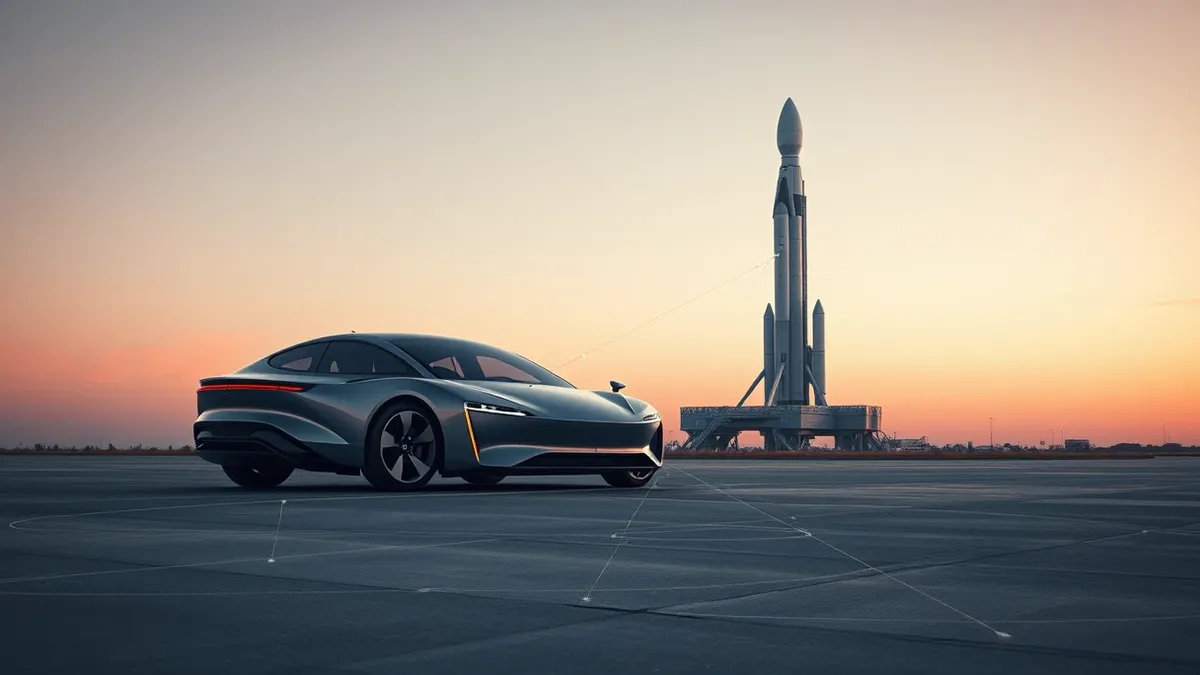
Elon Musk said Tuesday that he believes formally merging SpaceX and Tesla would be a good idea, citing significant benefits for artificial intelligence development. He made these comments during the question-and-answer segment of SpaceX’s third-quarter earnings call, as reported by Ars Technica.
Musk emphasized that while he supports the concept, the final decision rests with shareholders of both companies. He noted that he is a conflicted party and cannot participate in discussions led by special committees of independent directors formed at shareholder request. Those committees have not yet reached an agreement on merger terms.
Strategic Context for Consolidation
The potential merger follows a busy period for Musk’s business empire, including SpaceX’s acquisition of AI firm xAI in February and its record-setting initial public offering in June. Musk argued that combining the companies offers gains in superintelligence software, chip design, robotics, and connectivity through the Starmind constellation.
Both enterprises are transitioning from their original markets into artificial intelligence sectors. SpaceX anticipates future revenue from orbital data centers providing computing backbones for Earth-based AI, while Tesla focuses on self-driving cars, robots, and industrial hardware. Both require advanced chips and energy, with SpaceX potentially providing connectivity for Tesla hardware.
Governance and Control Implications
Beyond technological synergies, the merger would increase Musk’s control over his business interests. According to SpaceX documents filed for its IPO, Musk holds more than 82 percent of voting power in SpaceX. In contrast, he holds approximately 20 percent of voting power at Tesla, making the consolidation attractive for centralizing authority.
That suggests the primary driver may be governance structure as much as technical integration. As Threat Times reported on 2026-10-20, Musk has previously indicated that combining these entities holds merit for AI development, though committees were still evaluating the idea.
What should you do?
Investors and stakeholders should monitor filings from the special committees for any formal proposals or term sheets. Employees of either company should watch for internal communications regarding potential organizational changes. Market observers should track voting power dynamics and shareholder sentiment during upcoming quarterly reports.
What to do and how to stay safe: Elon Musk
- Review public filings from SpaceX and Tesla for updates on special committee activities.
- Monitor quarterly earnings calls for further details on strategic direction and merger progress.
- Track shareholder voting trends to gauge support for potential consolidation efforts.
- Follow regulatory filings regarding voting power changes and corporate governance structures.
Step-by-step guide: Mobile Device Security: How to Protect Data Beyond Passwords
General security guidance from the Threat Times newsroom. It is not confirmed advice from the organisations named in this story.
Frequently asked questions
Can Elon Musk force the merger of SpaceX and Tesla?
No, Musk stated that shareholders must be supportive and that special committees of independent directors are discussing the idea.
What are the main benefits of merging the two companies?
Musk cited gains in superintelligence software, chip design, robotics, mass to orbit capabilities, and connectivity.
How much voting power does Musk hold in each company?
Musk holds more than 82 percent of voting power in SpaceX and about 20 percent at Tesla.