SpaceX Plans First Attempt to Catch Starship and Booster Simultaneously
Elon Musk says the company will try to recover both stages of its orbital launch system next month, aiming for a historic full recovery.
Key points
- SpaceX intends to attempt catching both the Starship spacecraft and the Super Heavy booster during its next launch attempt next month.
- CEO Elon Musk stated that success is not guaranteed but is more likely than failure on this specific flight.
- The previous launch achieved orbit but ended with both vehicle stages splashing down in the ocean without recovery.
SpaceX CEO Elon Musk announced that the company plans to attempt catching its Starship spacecraft and Super Heavy booster during the next launch attempt scheduled for next month. According to The Verge, this effort aims to recover the entire orbital launch system for the first time in history. Musk described the potential achievement as a profound technology milestone during the company’s third-quarter earnings report on Tuesday.
Musk acknowledged that success is not guaranteed on these first flights, but he stated it is more likely than not that the catch succeeds. If the attempt fails, the company has a steady stream of Starship flight attempts planned through the end of this year, with acceleration expected next year. The goal is to fully recover the two-stage system, marking the first time an orbital launch vehicle has been entirely recovered.
System Design and Previous Performance
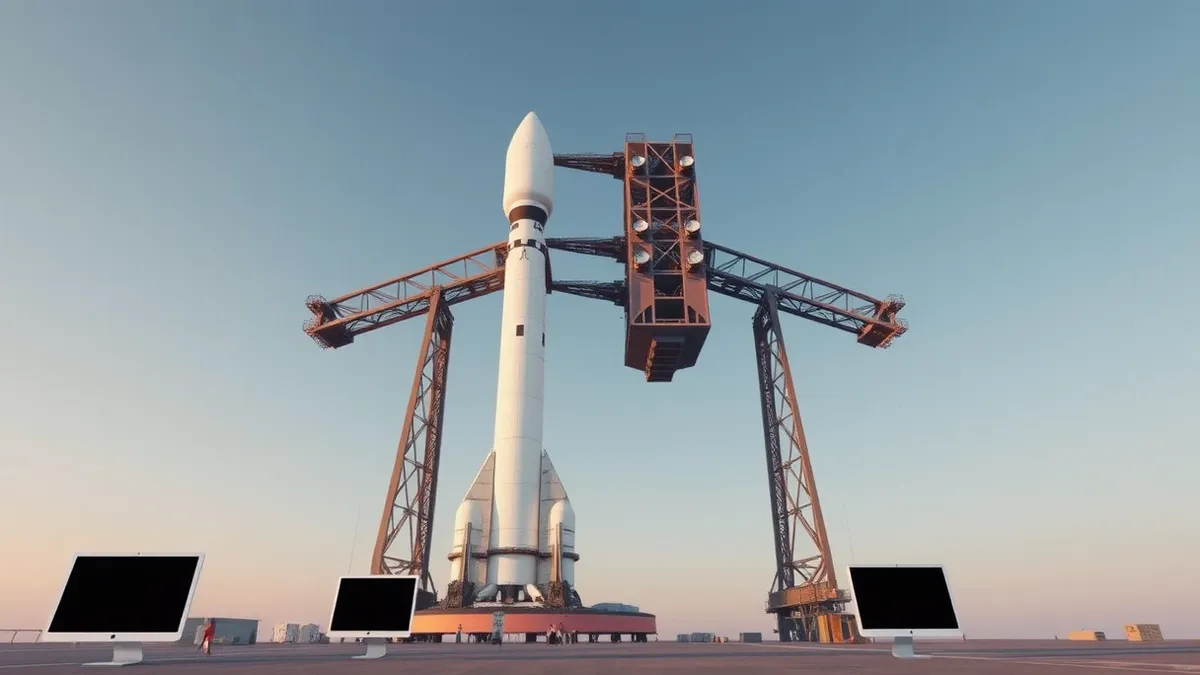
Starship is a two-stage system consisting of the Super Heavy booster as the first stage and the Starship spacecraft as the second stage. The vehicle stands approximately 120 to 124 meters tall with a 9-meter diameter, powered by SpaceX’s Raptor engines burning liquid methane and liquid oxygen. Introduced in 2018, Starship was designed to return to the launch site, where launch towers equipped with mechanical chopstick arms catch the vehicle mid-air.
The last Starship launch achieved two firsts: sending the spacecraft into Earth orbit and inserting several dozen V3 satellites into the Starlink constellation. However, the mission experienced issues, including one Raptor engine shutting down prematurely during ascent. Mission control adapted to complete the climb, but the planned 10-hour mission was cut short after about three hours and two Earth orbits.
Recovery Efforts and Outcomes
During the previous mission, the Super Heavy booster splashed down in the Gulf of Mexico, while the Starship upper stage executed a de-orbit burn. The upper stage ended with a fiery vertical splashdown in the Pacific Ocean north of Hawaii. Neither piece of the vehicle was recovered after this launch. The next attempt will test the mechanical chopstick arms’ ability to catch the vehicle, a critical step toward full reusability.
What should you do?
Security and technology professionals should monitor official SpaceX communications for updates on launch schedules and any changes to debris fields or airspace restrictions. Track industry reports for confirmation of successful recovery attempts, as this could impact satellite deployment strategies and launch cadence. Watch for technical details regarding Raptor engine performance and mission adaptations in post-flight reports.
What to do and how to stay safe: SpaceX
- Monitor official SpaceX channels for launch schedule updates and potential airspace or maritime restrictions around launch sites.
- Review technical post-flight reports for details on engine performance and mission adaptations that may affect future reliability.
- Assess how successful full recovery impacts satellite constellation deployment timelines and operational planning.
- Stay informed on regulatory responses to increased launch frequency and recovery operations near populated areas.
Step-by-step guide: Mobile Device Security: How to Protect Data Beyond Passwords
General security guidance from the Threat Times newsroom. It is not confirmed advice from the organisations named in this story.
Frequently asked questions
When will SpaceX attempt to catch Starship and its booster?
Elon Musk said the company would attempt the catch next month during its next Starship flight.
What happened to the Starship and booster during the last launch?
The Super Heavy booster splashed down in the Gulf of Mexico, and the Starship upper stage splashed down in the Pacific Ocean north of Hawaii without recovery.
Is success guaranteed for the next launch attempt?
No, Musk stated that success is not guaranteed, though he believes it is more likely than not that the attempt will succeed.