Microsoft Announces Maia 300 AI Chip for 2027 Production Rollout
Microsoft unveils its third-generation custom AI accelerator, targeting greater efficiency and reduced reliance on external GPU vendors for cloud inference.
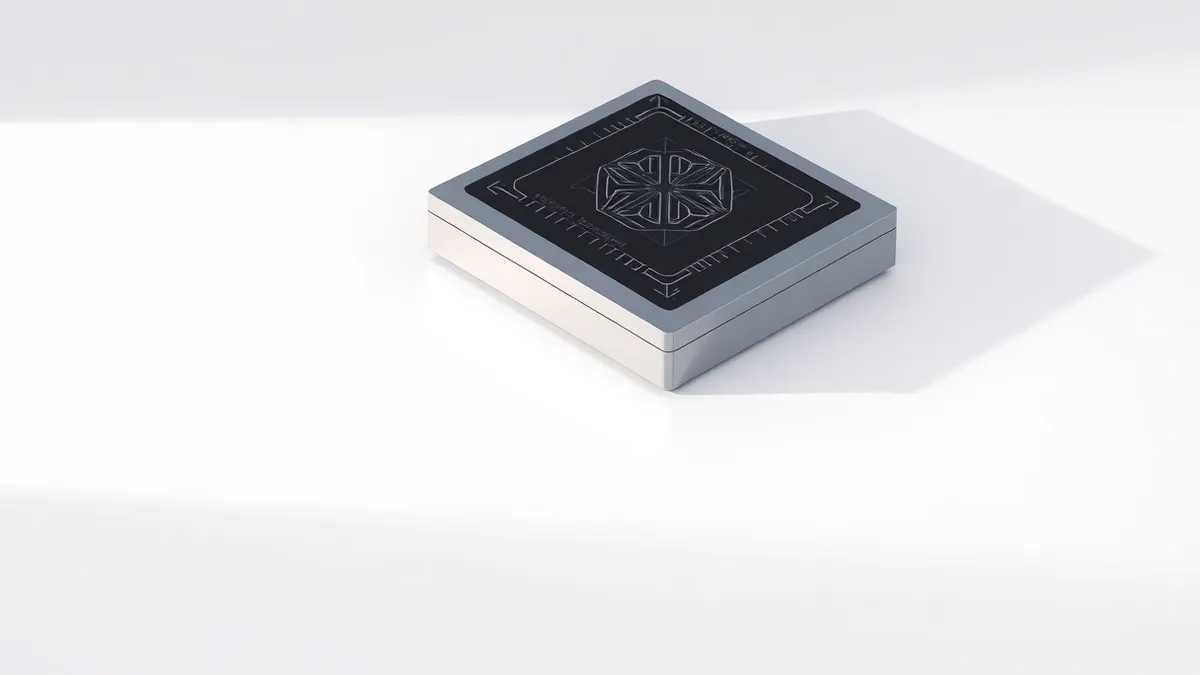
Key points
- Microsoft introduced the Maia 300 chip, designed to become the primary AI inference system for its services.
- The new hardware will begin rolling out to production workloads in 2027, offering significant efficiency gains over predecessors.
- The chip utilizes a chiplet architecture on TSMC’s N2P process to optimize compute, memory, and I/O functions.
Microsoft announced its third-generation Maia in-house AI chip today, positioning the Maia 300 as the future primary AI inference system for the company’s products and services. According to The Verge, this new accelerator aims to reduce Microsoft’s dependence on external GPU suppliers like Nvidia and AMD for cloud-based AI workloads.
The Maia 300 is scheduled to start rolling out to production AI workloads in 2027. Scott Guthrie, executive vice president of Microsoft’s cloud group, stated that the chip is expected to deliver 40 percent more tokens per megawatt compared to leading GPU-based systems. In a full 96-accelerator configuration, the hardware provides up to seven times the rack-scale token throughput of the previous Maia 200 model.
Technical Architecture and Performance
Microsoft is leveraging a new chiplet architecture to achieve these efficiency improvements. Built on TSMC’s N2P process node, the Maia 300 separates compute, memory controller, and I/O functions. The Azure hardware and infrastructure team explained that this design increases the silicon area dedicated to compute performance, allowing each function to use the technology best suited to its specific role.
This architectural shift supports Microsoft’s plan to scale its Azure Maia family to multi-gigawatt deployments starting in 2027. Guthrie noted that Maia 300 is designed as a complete AI system for emerging workload types, including long-context reasoning, latency-sensitive conversational experiences, and sustained multi-step agentic tasks.
Current Deployment and Market Context
The Maia 300 succeeds the Maia 200, which was announced in January and is already running production AI workloads across Microsoft’s ecosystem. These services include Microsoft Copilot, GitHub Copilot, Microsoft Foundry, and the company’s own AI models. Guthrie described the Maia 200 as the best-performing AI infrastructure in Microsoft’s fleet based on real-world metrics for AI services.
The introduction of the Maia 300 is part of Microsoft’s broader strategy to compete with rivals such as Amazon, Google, OpenAI, and Anthropic. By developing custom silicon, Microsoft aims to improve the cost and efficiency of running AI workloads in the cloud while handling the latest reasoning models more effectively than previous generations.
What should you do?
Security and technology professionals should monitor Microsoft’s Azure announcements for specific deployment timelines and compatibility details. As Microsoft shifts toward in-house silicon, understanding the performance characteristics of Maia-based instances will be crucial for optimizing cloud infrastructure costs and AI workload placement.
What to do and how to stay safe: Microsoft
- Review current Azure AI workload configurations to understand potential migration paths to Maia-based instances when they become available.
- Monitor Microsoft’s official documentation for specific benchmarks comparing Maia 300 performance against current GPU-based systems for your specific use cases.
- Evaluate long-term infrastructure contracts with cloud providers, considering the potential impact of vendor-specific custom silicon on pricing and availability.
- Stay informed about updates to AI model compatibility, as new hardware may support different reasoning or agentic task capabilities than existing infrastructure.
General security guidance from the Threat Times newsroom. It is not confirmed advice from the organisations named in this story.
Frequently asked questions
When will the Maia 300 chip be available for production use?
Microsoft plans to start rolling out the Maia 300 to production AI workloads in 2027.
How does the Maia 300 compare to the Maia 200 in terms of throughput?
In a full 96-accelerator configuration, the Maia 300 delivers up to seven times the rack-scale token throughput of the Maia 200.
What is the primary goal of Microsoft’s new Maia 300 chip?
The chip is designed to serve as the primary AI inference system for Microsoft’s products and services, improving cost and efficiency.


