Meta Details Prometheus Supercluster Infrastructure for Muse AI Models
Meta engineering reveals the Ohio-based gigawatt-scale supercluster that trained its new Muse foundational models, highlighting massive GPU deployment.
Key points
- Meta’s Prometheus supercluster in Ohio will host approximately one million GPUs at full scale.
- The infrastructure operates at a gigawatt power level to support heavy computational loads.
- This specific hardware setup was utilized to train the recently released Muse family of foundational models.
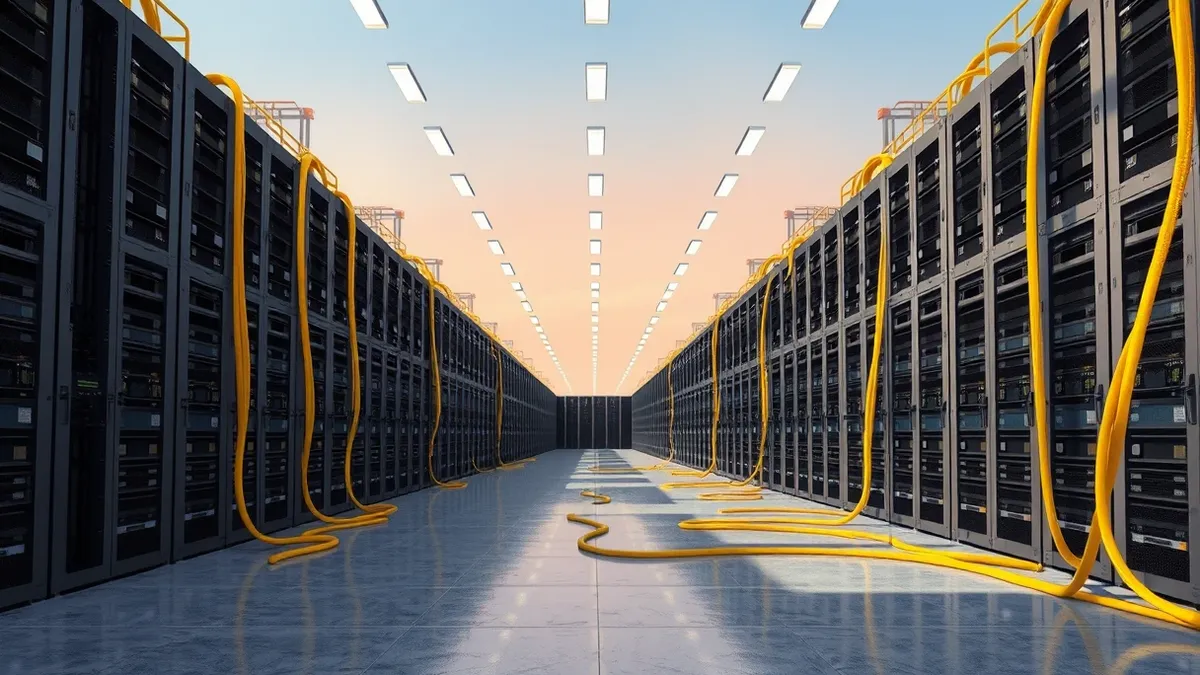
Meta has publicly detailed the specifications of its Prometheus supercluster, a massive computing infrastructure located in Ohio. According to an engineering post on Meta’s official blog, this facility was used to train the company’s new Muse family of foundational models. The disclosure provides insight into the physical scale required for modern large-scale AI development.
The Prometheus cluster is designed to operate at a gigawatt power scale, indicating a significant energy footprint for its operations. At full capacity, the supercluster will house approximately one million graphics processing units. This hardware density supports the intensive training processes required for the Muse models, which Meta recently released to the public. The engineering team emphasized that this infrastructure made the model releases possible.
Infrastructure Context and Scale
The move to disclose these technical details coincides with the broader launch of the Muse AI assistant. As Threat Times reported on October 18, 2026, Meta allowed its new AI agent to engage in explicit sexting with adult users, a feature that sparked immediate backlash from content creators. The revelation of the underlying hardware adds context to the development cycle that produced these capabilities.
The scale of Prometheus represents a substantial investment in physical computing resources. Housing one million GPUs requires not only massive electrical capacity but also advanced cooling and data management systems. Meta’s engineering blog post frames this infrastructure as the backbone of its current AI strategy, linking the physical hardware directly to the software capabilities seen in the Muse assistant.
Operational and Security Implications
The deployment of such powerful AI models has already triggered defensive actions from major financial institutions. As Threat Times reported on October 18, 2026, Schwab and JPMorgan blocked Meta Muse AI agents from accessing client accounts. These institutions cited unmanageable liability and security risks as the primary reasons for preventing the AI from executing transactions on behalf of users.
The contrast between Meta’s engineering achievements and the financial sector’s caution highlights the tension between rapid AI innovation and security governance. While Meta focuses on the technical prowess of its gigawatt-scale cluster, banks are concerned with the operational risks posed by autonomous agents. The Muse models, trained on Prometheus, are now subject to strict access controls in sensitive financial environments.
What should you do?
Security professionals should monitor how organizations integrate these new foundational models into their workflows. The rapid release of powerful AI tools often outpaces the development of robust security controls. Understanding the infrastructure behind these models helps in assessing the potential attack surface and resource requirements for defense.
What to do and how to stay safe: Meta
- Review access policies to ensure AI agents cannot execute unauthorized financial transactions or data transfers.
- Monitor vendor announcements for updates on how foundational models are trained and what data they may retain.
- Assess internal infrastructure to ensure it can handle the computational demands of integrating new AI tools securely.
- Stay informed about industry-wide blocks or restrictions on specific AI agents, as seen with major financial institutions.
Step-by-step guide: Mobile Device Security: How to Protect Data Beyond Passwords
General security guidance from the Threat Times newsroom. It is not confirmed advice from the organisations named in this story.
Frequently asked questions
What is the Prometheus supercluster?
Prometheus is a gigawatt-scale computing supercluster located in Ohio, operated by Meta, which will host approximately one million GPUs at full scale.
What was the Prometheus cluster used for?
According to Meta’s engineering blog, the Prometheus infrastructure was used to train the company’s new Muse family of foundational models.
How are financial institutions responding to the Muse AI agent?
Major US financial institutions, including Schwab and JPMorgan, have blocked Meta Muse AI agents from accessing client accounts due to security and liability concerns.