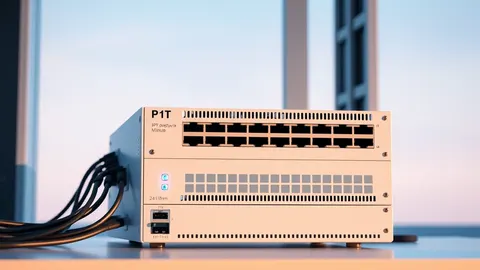
Analysts predict SONiC switch revenues will exceed $10 billion by 2030
Open-source network OS adoption accelerates in enterprise and AI data centers, driven by major vendor support and cost controls.
Key points
- SONiC-based switch sales in AI networks are projected to grow over 50% annually through 2030.
- Gartner estimates 2,500 organizations run SONiC in production, with one-third being enterprises.
- Major vendors like Cisco and Dell are adding SONiC support to their high-performance hardware.
Multiple research firms are forecasting significant revenue growth for SONiC, the open-source network operating system originally created by Microsoft. Analysts project that data center switching revenue based on the platform will surpass $5 billion in 2026. This expansion marks a shift from niche white-box deployments to broader enterprise adoption in high-performance environments.
Alan Weckel, founder of the 650 Group, expects enterprise adoption of SONiC to increase by more than 25% year-over-year through 2027. The Dell’Oro Group predicts an even faster trajectory for artificial intelligence scale-out networks, forecasting annual growth of more than 50% through 2030. By that year, revenues from SONiC-based switch sales are expected to exceed $10 billion globally.
Vendor Support and Market Shifts
Gartner estimates that approximately 2,500 organizations currently run SONiC in production environments. According to the firm, roughly one-third of these organizations are enterprises rather than cloud providers. Gartner stated earlier this year that the platform is evolving into a viable option for high-performance switches. This change allows enterprises to seek flexibility, cost control, and reduced vendor lock-in within modern leaf-spine architectures.
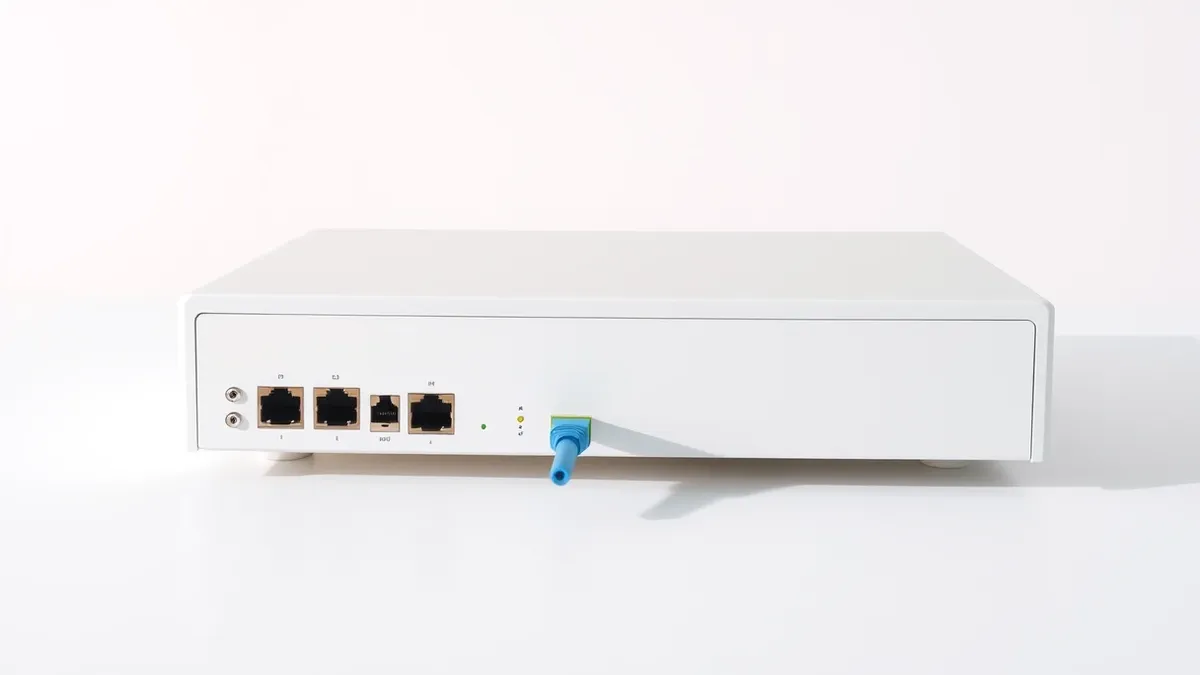
Traditional enterprise switch vendors are increasingly supporting the open-source software on their proprietary hardware. Companies including Arista, Cisco, Dell, and Nvidia have integrated SONiC support into their product lines. Cisco announced in May that it is extending SONiC support to its N9000 Series data center switches. This move allows customers to use the open-source NOS within the larger vendor ecosystem.
Microsoft officially transferred SONiC to the Linux Foundation in 2022. The disaggregation of hardware and software is no longer limited to cloud deployments. It is becoming a viable option for enterprises seeking to optimize their network infrastructure costs and operational flexibility.
Who Is Affected
Enterprises deploying AI scale-out networks are the primary beneficiaries of this trend. These organizations often require high-performance switching capabilities that traditional white-box solutions may not provide without significant internal expertise. By supporting SONiC on proprietary hardware, vendors offer a middle ground between fully managed services and do-it-yourself open-source deployments.
Customers who prefer the cost savings of an open-source NOS may lack the in-house skills to manage white-box switches effectively. White-box deployments often lack enterprise-grade telemetry, monitoring, and orchestration features. Vendor-supported SONiC implementations provide these critical services while maintaining the flexibility of open-source software. This approach helps retain customers who might otherwise move to purely open hardware solutions.
What should you do?
Organizations evaluating network infrastructure should assess their internal capabilities for managing open-source operating systems. Review current vendor contracts to understand support levels for SONiC on existing hardware. Monitor industry reports for updates on compatibility and feature sets as vendors expand their offerings.
What to do and how to stay safe: SONiC
- Evaluate whether your organization has the internal expertise to manage open-source network operating systems without vendor support.
- Review current hardware vendor contracts to determine if they offer SONiC support on existing or prospective switch models.
- Assess your current network telemetry and monitoring capabilities to ensure they meet enterprise-grade standards if you adopt open-source NOS.
- Monitor industry forecasts and vendor announcements for updates on SONiC compatibility and feature enhancements in AI scale-out networks.
Step-by-step guide: Mobile Device Security: How to Protect Data Beyond Passwords
General security guidance from the Threat Times newsroom. It is not confirmed advice from the organisations named in this story.
Frequently asked questions
How much revenue is SONiC expected to generate by 2030?
Dell’Oro Group predicts that SONiC-based switch sales revenues will exceed $10 billion by 2030.
Which major vendors support SONiC on their hardware?
Arista, Cisco, Dell, and Nvidia are offering support for SONiC on their hardware platforms.
How many organizations are currently using SONiC in production?
Gartner estimates that 2,500 organizations are running SONiC in production environments.