MIT Study Shows AI-Generated Images Successfully Plant False Memories In Subjects
Research indicates that AI-altered photos distort recollections and increase confidence in false details, complicating efforts to verify truth.

Key points
- MIT researchers found participants misremembered original images after viewing AI-altered versions.
- Subjects displayed higher confidence in their incorrect recollections of the AI-modified content.
- The study highlights how AI-generated misinformation can alter what individuals believe is true.
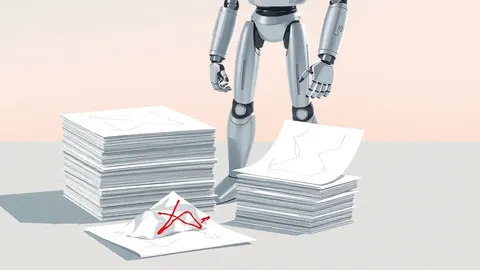
Researchers at the Massachusetts Institute of Technology have demonstrated that artificial intelligence-generated images can successfully distort human memory. According to findings discussed by MIT scientist Pattie Maes with the Washington Post, participants who viewed AI-altered versions of photographs were significantly more likely to misremember the original source material compared to those who saw unaltered images.
The study reveals that exposure to AI-modified visual content not only changes what people recall but also affects their certainty about those memories. Participants who encountered the AI-altered photographs were overly confident in their false recollections during subsequent memory tests. This suggests that the visual fidelity of AI-generated content allows it to overwrite genuine sensory experiences in the brain with high conviction.
The Mechanics Of Memory Distortion
Human memory has long been understood by psychologists as highly suggestible and unreliable, a trait documented in experiments dating back to the 19th century. The introduction of generative AI exacerbates this vulnerability by producing convincing visual and textual misinformation. As Gizmodo reports, this dynamic makes misinformation particularly dangerous because it can influence decision-making processes, including political choices, even after corrections are issued.
The MIT research adds to a growing body of evidence showing that AI-generated pieces of misinformation can plant false memories in participants' brains. A separate study from last year found that both deepfakes and AI-generated texts effectively created false memories about fabricated political scandals. This psychological manipulation went so far as to reduce voting intention among subjects, demonstrating the tangible impact of AI-driven falsehoods on civic behavior.
Implications For Institutional Trust
The prevalence of AI-generated content poses risks even when the technology is not used with malicious intent. Generative AI systems are prone to producing errors known as hallucinations, which can present false information as fact. As government agencies, banks, militaries, and hospitals accelerate their deployment of AI tools, the reliance on human oversight becomes critical. Organizations often employ senior personnel to audit AI output, aiming to catch errors before they translate into real-world harms.
However, research indicates that human auditors are not particularly effective at spotting these hallucinations. The assumption that widespread AI deployment combined with human oversight will ensure accuracy may be flawed if users cannot reliably distinguish between genuine and AI-generated content. This limitation undermines the safety protocols designed to prevent catastrophic errors in high-stakes environments like military strikes or medical record-keeping.
What should you do?
Security and technology professionals should monitor developments in AI detection and memory research to understand evolving social engineering risks. Organizations deploying AI tools must implement rigorous validation processes for generated content, recognizing that human reviewers may miss subtle hallucinations. Users should remain skeptical of unverified visual evidence and seek corroborating sources before accepting AI-generated information as factual.
Background: Generative AI
Generative AI examples include text completion, image synthesis and code generation. These systems predict the next likely token based on vast training datasets. Understanding the underlying mechanics helps you identify risks like data leakage and hallucination in your infrastructure.
Read the full guide: Generative AI Examples: Mechanisms, Risks and Control
What to do and how to stay safe: MIT
- Verify visual and textual information from AI systems against independent, trusted sources before making decisions.
- Implement technical controls to flag AI-generated content in internal workflows to reduce reliance on human detection alone.
- Train staff on the cognitive biases associated with AI-generated misinformation and the unreliability of memory after exposure.
- Monitor for updates on AI hallucination rates and detection capabilities from research institutions and security vendors.
Step-by-step guide: Social Engineering Warning Signs and How to Respond
General security guidance from the Threat Times newsroom. It is not confirmed advice from the organisations named in this story.
Frequently asked questions
Can AI-generated images change what people remember?
Yes, MIT research shows that viewing AI-altered images can cause people to misremember the original photos and feel confident in their false recollections.
Are humans good at spotting AI errors?
Research shows that users are not particularly good at spotting AI hallucinations, making human oversight less effective than expected.
How does this affect decision making?
Misinformation can influence decisions, including political ones, even after corrections, and AI-generated content can plant false memories about fabricated events.