Microsoft to deploy Maia 300 AI chip for inference in 2027
The third-generation processor, built on TSMC’s N2P node, will serve as Microsoft’s primary system for artificial intelligence inference tasks.
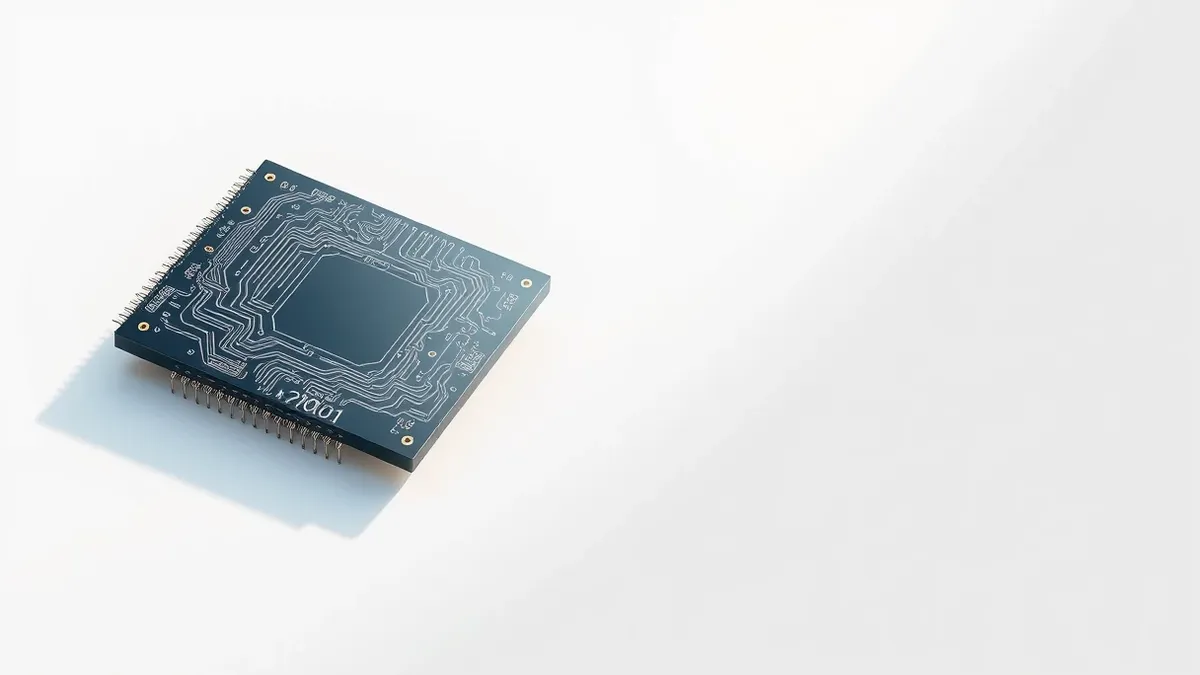
Key points
- Microsoft unveils its third-generation in-house AI chip, the Maia 300
- The chip is built on TSMC's N2P process node
- Production AI workloads will start rolling out in 2027
Microsoft unveiled its third-generation in-house artificial intelligence chip, the Maia 300. The company aims for this new processor to serve as its primary system for AI inference, defining its specific role within the company’s hardware offerings.
According to reporting by The Verge, the Maia 300 is built using TSMC’s N2P process node. This manufacturing specification underpins the hardware’s design. The report highlights that this specific process node is central to the chip’s construction and its intended use for inference tasks.
Chip Specifications and Manufacturing
The Maia 300 represents the latest iteration of Microsoft’s internal silicon efforts. By utilizing TSMC’s N2P node, the company aligns its hardware with advanced manufacturing capabilities. The Verge notes that this specific process node is central to the chip’s construction.
The designation of the Maia 300 as the "primary AI inference system" distinguishes it from other potential components. Microsoft has explicitly framed this generation around inference capabilities, according to the report.
Deployment Timeline
Production AI workloads using the Maia 300 will start rolling out in 2027. This timeline indicates the schedule for the chip’s entry into active production environments. The 2027 date is the specific milestone provided by Microsoft for this rollout.
The announcement provides a clear timeframe for when the hardware will begin serving workloads. Microsoft has not provided details on intermediate phases prior to the stated production start date.
What should you do?
Security and technology professionals should monitor Microsoft’s official documentation for any changes to data residency or processing guarantees associated with custom silicon. Organizations relying on Azure AI services should prepare for potential hardware transitions in their long-term infrastructure planning.
What to do and how to stay safe: Microsoft
- Review your organization’s long-term AI infrastructure plans to account for a 2027 hardware shift
- Monitor official vendor announcements for specific data center locations using the new chip
- Assess any compliance requirements related to hardware provenance for your AI workloads
- Stay updated on Microsoft’s technical documentation regarding the Maia 300’s capabilities
Step-by-step guide: Prompt Injection Warning Signs: How to Spot AI Manipulation
General security guidance from the Threat Times newsroom. It is not confirmed advice from the organisations named in this story.
Frequently asked questions
When will the Maia 300 chip be available for production use?
The Maia 300 will start rolling out to production AI workloads in 2027, according to Microsoft’s announcement.
What is the primary purpose of the Maia 300 chip?
Microsoft aims for the Maia 300 to serve as its primary AI inference system.
Which process node is used to build the Maia 300?
The chip is built on TSMC’s N2P process node.


