Tech News
Microsoft's Maia 300 chips offer 40% more tokens per megawatt, set to power AI by 2027
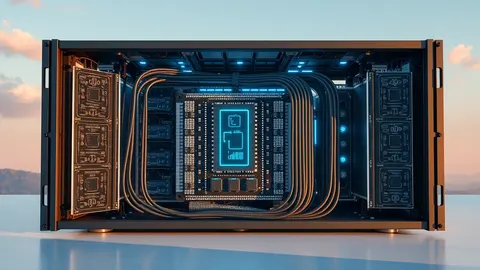
The tech giant unveiled its third-generation custom silicon, aiming to power its AI services with gigawatt-scale deployments by 2027.
Everything Threat Times has reported about AI inference: 6 stories, newest first. Part of our AI coverage.
The tech giant unveiled its third-generation custom silicon, aiming to power its AI services with gigawatt-scale deployments by 2027.

Intel officially brands its Crescent Island inference chip as the GPU D-Series, targeting air-cooled rack deployments with up to 480GB of high-bandwidth memory.

The new chip uses a dataflow architecture to process 40% more tokens per megawatt than leading GPU-based systems.

Meta engineered a system that aggregates scattered idle inference resources to improve ad relevance without ordering new hardware capacity.

The third-generation processor, built on TSMC’s N2P node, will serve as Microsoft’s primary system for artificial intelligence inference tasks.

CoreWeave introduces a preview capability built on Nvidia’s Dynamo framework to accelerate agentic model training and reduce reload latency.