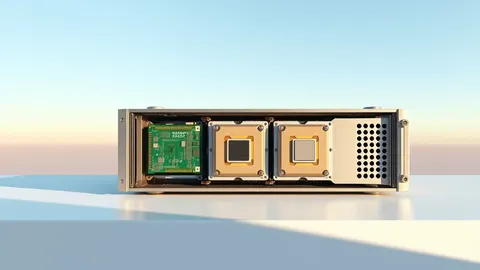
Intel and AMD Announce Joint Collaboration on oneDNN Library for PyTorch Optimization
The two chipmakers will merge AMD’s Zen-specific optimizations into Intel’s oneDNN library to improve performance for PyTorch users on both platforms.
Key points
- Intel and AMD have announced a joint collaboration to optimize software for the PyTorch AI framework.
- AMD will contribute its ZenDNN improvements directly into the main oneDNN library maintained by Intel.
- This partnership aims to standardize neural network library optimizations across competing hardware architectures.
Intel and AMD announced a collaborative effort today to jointly optimize the oneDNN neural network library for use with the PyTorch machine learning framework. According to a report by Phoronix, the two major processor manufacturers are working together to integrate AMD’s specific hardware improvements into the broader open-source library ecosystem.
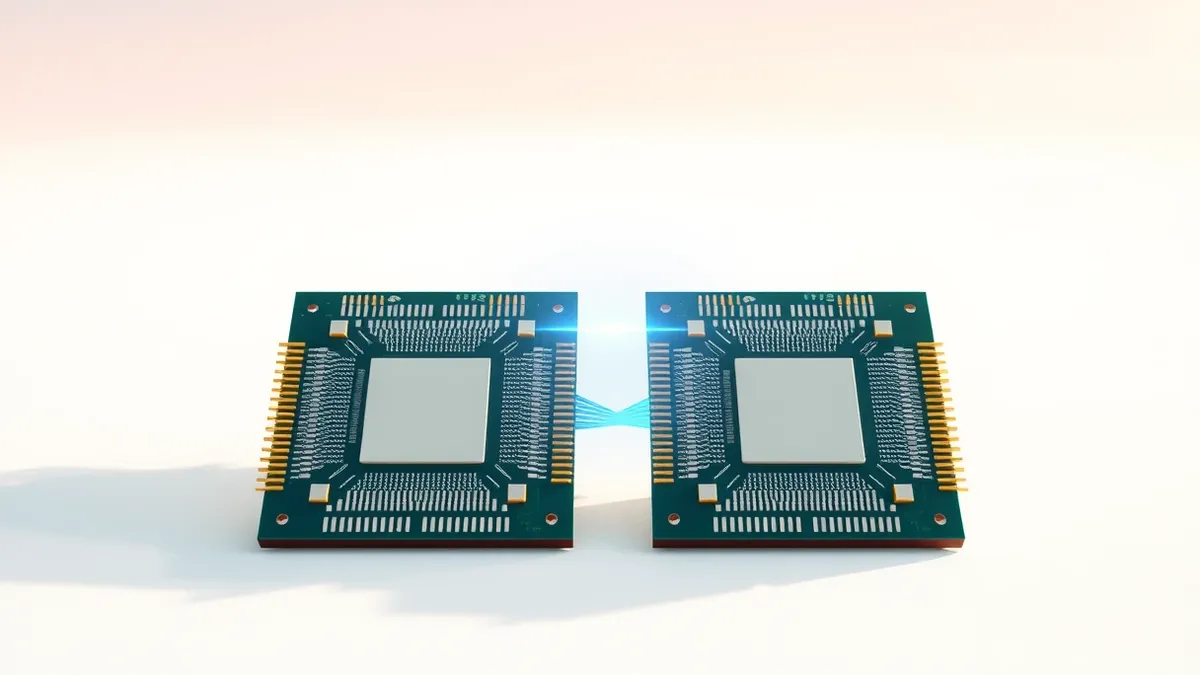
The partnership focuses on merging AMD’s ZenDNN downstream fork into Intel’s primary oneDNN project. ZenDNN has historically been an API-compatible fork maintained by AMD to cater specifically to its Zen processor designs. By pushing these Zen-specific optimizations into the main oneDNN repository, both companies aim to enhance performance for developers using PyTorch on either Intel or AMD hardware.
Library History and Integration Strategy
Intel has long developed and tuned the oneDNN library to optimize neural network operations on its own hardware architecture. This library gained significant industry adoption as a foundational component for various AI frameworks, including PyTorch. Its widespread use made it a standard reference for deep learning performance on x86 processors.
AMD previously maintained ZenDNN as a separate downstream fork to address the specific architectural needs of its Zen processors. While ZenDNN remained API-compatible with oneDNN, it operated as a distinct codebase tailored for AMD’s silicon. This separation meant that optimizations specific to AMD chips were not automatically available to the broader oneDNN community or Intel hardware users.
The new collaboration changes this dynamic by integrating AMD’s work directly into the main line. According to Phoronix, AMD will push its Zen improvements into the central oneDNN library. This move suggests a shift toward a unified optimization strategy rather than maintaining separate, competing forks for similar API standards.
Impact on AI Developers and Framework Users
This joint effort primarily affects developers and researchers using PyTorch for artificial intelligence and machine learning tasks. PyTorch relies on underlying libraries like oneDNN to accelerate matrix operations and other neural network computations. Improved optimizations in oneDNN can lead to faster training and inference times for models running on compatible hardware.
Users of both Intel and AMD processors may benefit from this consolidation. Previously, AMD users might have needed to ensure they were using the ZenDNN fork to get optimal performance on Zen chips. With Zen improvements integrated into oneDNN, the library should offer better performance out-of-the-box for AMD hardware while maintaining compatibility with Intel systems.
The collaboration does not imply a merger of the companies or their hardware strategies. Instead, it represents a software-level partnership focused on the open-source library that sits between the hardware and high-level AI frameworks. This allows both vendors to compete on silicon while cooperating on the software stack that runs above it.
What should you do?
Developers using PyTorch should monitor official release notes for oneDNN and PyTorch to identify when these integrated optimizations become available. System administrators managing AI workloads should test updated library versions in staging environments to verify performance improvements on their specific hardware configurations.
Background: Neural networks
Neural networks matter because they identify complex, non-linear patterns in data that traditional tools ignore. They enable proactive threat hunting and reduce false positives by learning normal behavior. This shifts security from reactive blocking to predictive risk management.
Read the full guide: Why Neural Networks Matter for Security Operations
What to do and how to stay safe: Intel
- Monitor official PyTorch and oneDNN release channels for announcements regarding the integration of AMD Zen optimizations.
- Evaluate current AI workloads to determine if they are bottlenecked by neural network library performance on existing hardware.
- Test updated versions of oneDNN in non-production environments to measure performance changes before deploying to live systems.
- Review documentation for any API changes or configuration requirements that may accompany the merged library updates.
Step-by-step guide: Prompt Injection Warning Signs: How to Spot AI Manipulation
General security guidance from the Threat Times newsroom. It is not confirmed advice from the organisations named in this story.
Frequently asked questions
What is the main outcome of the Intel and AMD collaboration?
Intel and AMD will jointly optimize the oneDNN library for PyTorch, with AMD pushing its Zen-specific improvements into the main oneDNN codebase.
What was ZenDNN before this collaboration?
ZenDNN was a downstream fork of oneDNN maintained by AMD, which was API-compatible but tailored specifically for AMD’s Zen processor designs.
Does this affect hardware compatibility?
No, this is a software optimization effort. It improves how the oneDNN library performs on both Intel and AMD processors within the PyTorch framework.