
Tech News
Survey: 68% of IT Pros Name Human Error as Top Cyber Threat
A global Kaseya poll of over 1,100 professionals finds human error outweighs email scams as the primary security concern for managed service providers.
Everything Threat Times has reported about social engineering: 14 stories, newest first. Part of our Cyber Attacks coverage.
A global Kaseya poll of over 1,100 professionals finds human error outweighs email scams as the primary security concern for managed service providers.

A cybercriminal group allegedly extracted $207 million from 27 law firms in six months by using phone calls and social engineering tactics instead of file encryption.

Shoppers received push notifications claiming a Snowflake data breach compromised ASOS systems, raising concerns about credential theft.

Investigators identify the Telegram account behind the fake ASOS alert as previously involved in trading virtual gaming items.

Online retailer ASOS confirms attackers used social engineering to steal credentials and access customer personal data in a recent incident.

SIM swapping bypasses traditional network defenses by exploiting human trust at the carrier level, rendering technical perimeters ineffective against social manipulation.

Attackers exploit your inherent trust in known business partners to bypass standard security filters and extract sensitive data.

Automated text generation removes human error from scam messages, making them indistinguishable from legitimate corporate communications.

Attackers exploit human psychology faster than technical controls can intercept, making behavioral anomalies the primary detection vector for compromise attempts.

Dark Reading reports that the security weaknesses of an executive’s family members can serve as the primary entry point for cyberattacks.

Study finds people believe even primitive AI systems care for them, creating a reciprocal emotional bond that influences user behavior.
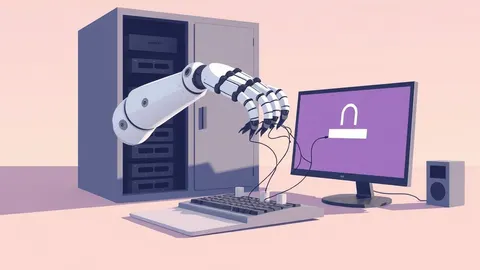
As AI agents gain authority over business systems, attackers can manipulate them like business email compromise victims.
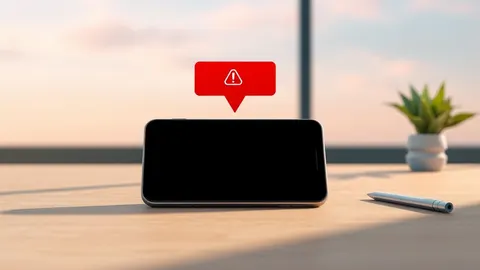
Investigation reveals attackers used a compromised employee account to distribute malicious push notifications, accessing limited personal data.

Fraudsters send fake sponsorship offers to steal Google account credentials from content creators, according to new analysis.