AI
Meta launches Muse Wonder AI model for digital assistants
Meta has released Muse Wonder as its most advanced option for powering digital assistants, available to subscribers of its Muse app and through its developer API.
Meta has released Muse Wonder as its most advanced option for powering digital assistants, available to subscribers of its Muse app and through its developer API.

Meta introduces the Wonder family of AI models on Monday, featuring new capabilities designed to improve performance over extended usage periods.
Meta AI Research unveils new Muse Wonder and Muse Wonder Full models, claiming state-of-the-art performance in personal and professional automation.

Research shows AI increases code volume by 30 percent, yet human review delays negate productivity gains and extend merge times.

A Visier report finds 48% of employees lie about AI usage due to job fears and lack of clear corporate strategy.

A new EY report finds that while half of UK leaders see AI as a top productivity driver, only 14% have real-time cost visibility, complicating return on investment assessments.
Tencent Holdings Ltd. is raising approximately $5 billion in debt to finance artificial intelligence investments, with a significant portion allocated for semiconductor acquisitions.

TikTok chief executive Shou Chew says artificial intelligence will drive major scientific advances in physics and biotech within two to three years.

Microsoft releases Microsoft-Decision-1, a specialized AI model that selects fixed options rather than generating text, based on Alibaba’s open-weight foundation.

Soldiers report technical failures during a July desert trial, highlighting the institutional and equipment challenges in the Army's push to modernize.

Bloomberg reports China aims to solve renewable waste by upgrading infrastructure to power artificial intelligence operations by 2049.

The weekly security digest highlights an ASOS data breach, AI-powered phishing kits, and Google's pause on its open source bug bounty program.

Anthropic has moved Claude Docs, Slides, and Design out of beta, making them available to free users, while also introducing new data visualization capabilities.

Cristiano Amon reports that artificial intelligence companies are designing mobile devices and requesting support for massive local models.

Microsoft announces Copilot will soon manage local files and run on-device AI models for Copilot+ PC users, aiming to lower costs and keep data private.

Reports indicate Amazon is negotiating a potential $7 billion acquisition of AI infrastructure developer Decart, aiming to bolster its cloud computing capabilities.

New findings suggest that adjusting algorithms and precision formats offers a viable path to reducing power consumption without new hardware.

Survey shows most IT teams using AI for configuration lack rapid rollback capabilities, creating operational risk.

The new Razer Basilisk V4 Pro offers refined ergonomics and performance, but includes an unrequested AI feature that reviewers find unnecessary.
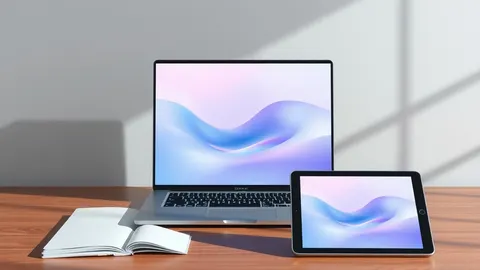
A new desktop background appeared on RTX Spark devices at a recent event, but Microsoft has not released the file, prompting AI recreations.

Google is expanding its Gemini AI assistant’s workplace capabilities by integrating email access, potentially changing how users interact with professional communications.

Bay Area artist Jessica Hische reports intense backlash and doxxing after designing the logo for Meta’s new AI assistant, Muse.

Survey of 356 IT pros finds six to eight tools create staffing and integration burdens that AI alone cannot resolve into a single view.

Israeli researchers developed Brain-IT, an AI model that decodes brain activity to reconstruct images people view, requiring significantly less training data than previous methods.