China Plans $3.9T Grid Buildout to Convert Excess Renewable Energy Into AI Capacity Through 2049
Bloomberg reports China aims to solve renewable waste by upgrading infrastructure to power artificial intelligence operations by 2049.
Key points
- China plans a $3.9 trillion grid expansion through 2049.
- Approximately 9% of renewable output was wasted in 2026.
- The strategy links excess wind and solar power to AI development.
According to Bloomberg, China is pursuing a massive infrastructure initiative to transform its excess renewable energy into a competitive advantage for artificial intelligence. The plan involves a $3.9 trillion grid buildout scheduled to continue through 2049. This effort addresses the significant volume of wasted wind and solar power generated in recent years.
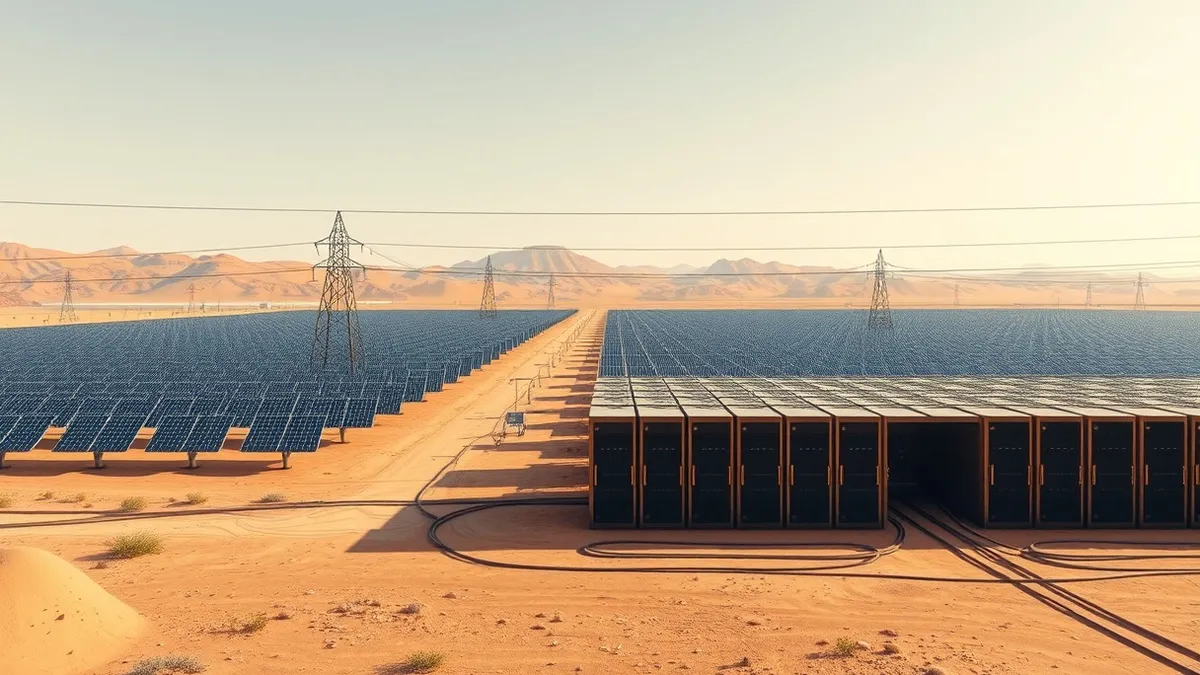
The scale of this green-energy revolution is illustrated by regions like Gansu, an arid strip on the edge of the country. Bloomberg reports that roughly 9% of renewable output was wasted in 2026. This inefficiency highlights the gap between energy generation capacity and current grid absorption capabilities. The proposed expansion aims to bridge this gap by directing surplus power toward high-demand AI workloads.
Strategic Infrastructure Context
The $3.9 trillion investment represents a long-term commitment to modernizing the national power grid. By extending the timeline to 2049, Chinese authorities are aligning energy infrastructure with projected growth in computational demand. This approach seeks to convert what was previously considered waste into a valuable resource for technological advancement. The focus on wind and solar energy underscores the country's broader transition toward renewable sources.
Bloomberg notes that grasping the magnitude of this project requires looking at specific regions like Gansu. These areas generate substantial clean energy but often lack the immediate infrastructure to utilize it fully. The proposed grid upgrades would enable the transmission of this excess power to data centers and industrial hubs. This integration supports the dual goals of reducing waste and boosting AI capabilities.
Impact on Energy and Technology Sectors
The initiative directly impacts how renewable energy is valued and utilized within the Chinese economy. By linking power generation to AI development, the strategy creates a new demand source for intermittent energy supplies. This could stabilize the market for wind and solar producers who previously faced curtailment. The move also signals a shift in how infrastructure spending is prioritized for future technological needs.
Security and technology professionals should monitor how this grid expansion influences hardware deployment and energy costs. The availability of cheap, abundant power could accelerate the construction of large-scale data centers. This may affect global competition in artificial intelligence and cloud computing services. The long timeline suggests sustained investment rather than immediate changes to current market dynamics.
What should you do?
Monitor reports on China's energy policy shifts that may affect global supply chains. Track developments in grid modernization technologies that could influence hardware efficiency standards. Watch for changes in renewable energy pricing that might impact operational costs for data-intensive services. Stay informed about regulatory updates regarding cross-border data and energy infrastructure investments.
What to do and how to stay safe: China
- Review your organization's energy procurement strategies to account for potential shifts in renewable power availability.
- Assess the resilience of your supply chain against geopolitical changes in energy infrastructure investments.
- Monitor industry reports for updates on how grid upgrades may influence data center locations and costs.
- Evaluate the long-term sustainability of your IT infrastructure in light of global energy policy trends.
Step-by-step guide: Prompt Injection Warning Signs: How to Spot AI Manipulation
General security guidance from the Threat Times newsroom. It is not confirmed advice from the organisations named in this story.
Frequently asked questions
How much is China investing in this grid buildout?
According to Bloomberg, the investment totals $3.9 trillion through 2049.
What percentage of renewable output was wasted in 2026?
Approximately 9% of renewable output was wasted in 2026.
Which region is cited as an example of this energy challenge?
Gansu is cited as an example of the scale of China's green-energy revolution.