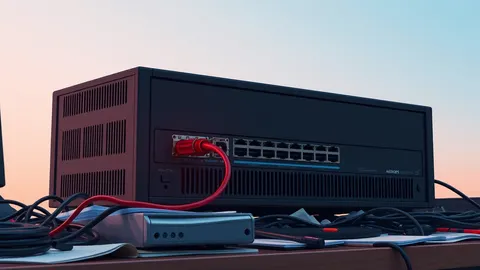
SonicWall SMA1000 Appliance Vulnerability CVE-2026-102255 Now Exploited in Wild
Attackers are actively exploiting a maximum-severity flaw in SonicWall SMA1000 appliances that was patched just three days ago.
Key points
- CVE-2026-102255 is a maximum-severity vulnerability in SonicWall SMA1000 appliances.
- Attackers have begun exploiting the flaw in active attacks.
- SonicWall released a patch for the issue on Tuesday.
Attackers are actively exploiting a maximum-severity vulnerability in SonicWall SMA1000 appliances, according to a report by BleepingComputer. The flaw, identified as CVE-2026-102255, is being leveraged in real-world attacks just days after SonicWall released a patch.
The vulnerability affects the SonicWall SMA1000 appliance line. BleepingComputer reported that the exploit activity began after the vendor issued a fix on Tuesday, which was three days prior to the report. The severity of the flaw is rated as maximum, indicating a critical risk to affected systems. The rapid transition from patch release to active exploitation highlights the urgency for administrators to apply the update.
Context and Background
SonicWall addressed the security issue by releasing a patch on Tuesday. This update was intended to resolve the maximum-severity vulnerability designated as CVE-2026-102255. Despite the availability of the fix, threat actors have moved quickly to target unpatched instances of the SMA1000 appliance. The timeline suggests that the vulnerability was likely discovered and disclosed shortly before the patch release, with attackers scanning for vulnerable systems in the window between disclosure and remediation.
The use of the CVE identifier CVE-2026-102255 allows security professionals to track the specific technical details of the flaw. The maximum severity rating underscores the potential impact of successful exploitation, which could include unauthorized access or control of the appliance. The fact that exploitation is already occurring serves as a warning to other organizations that may still be running vulnerable versions of the software.
Who Is Affected
Organizations using SonicWall SMA1000 appliances are directly affected by this vulnerability. Any deployment of the SMA1000 that has not yet received the patch released on Tuesday is considered at risk. The report by BleepingComputer indicates that the exploitation is already in progress, meaning that unpatched systems are currently being targeted.
Network administrators and security teams responsible for SonicWall infrastructure must verify their appliance versions immediately. The risk is highest for those who have not yet applied the recent security update. The widespread nature of the SMA1000 in various network environments means that the potential attack surface is significant.
What should you do?
Security teams should prioritize the application of the patch released by SonicWall on Tuesday. Given the active exploitation reported by BleepingComputer, delaying the update increases the likelihood of compromise. Organizations should also review their network logs for any signs of unusual activity targeting SMA1000 appliances.
What to do and how to stay safe: SonicWall
- Verify if your network includes SonicWall SMA1000 appliances.
- Check the current firmware version against the patch released on Tuesday.
- Apply the available update immediately to mitigate the maximum-severity risk.
- Monitor network traffic for indicators of exploitation attempts targeting this CVE.
Step-by-step guide: Risk Based Vulnerability Management: Prioritize Fixes by Actual Threat
General security guidance from the Threat Times newsroom. It is not confirmed advice from the organisations named in this story.
Frequently asked questions
What is the CVE ID for the SonicWall vulnerability?
The vulnerability is identified as CVE-2026-102255.
When was the patch released?
SonicWall released the patch on Tuesday, three days before the exploitation report.
Is the vulnerability being exploited?
Yes, according to BleepingComputer, attackers are actively exploiting the flaw.