Attackers Target Maximum-Severity SSRF Flaw in SonicWall SMA 1000 Appliances
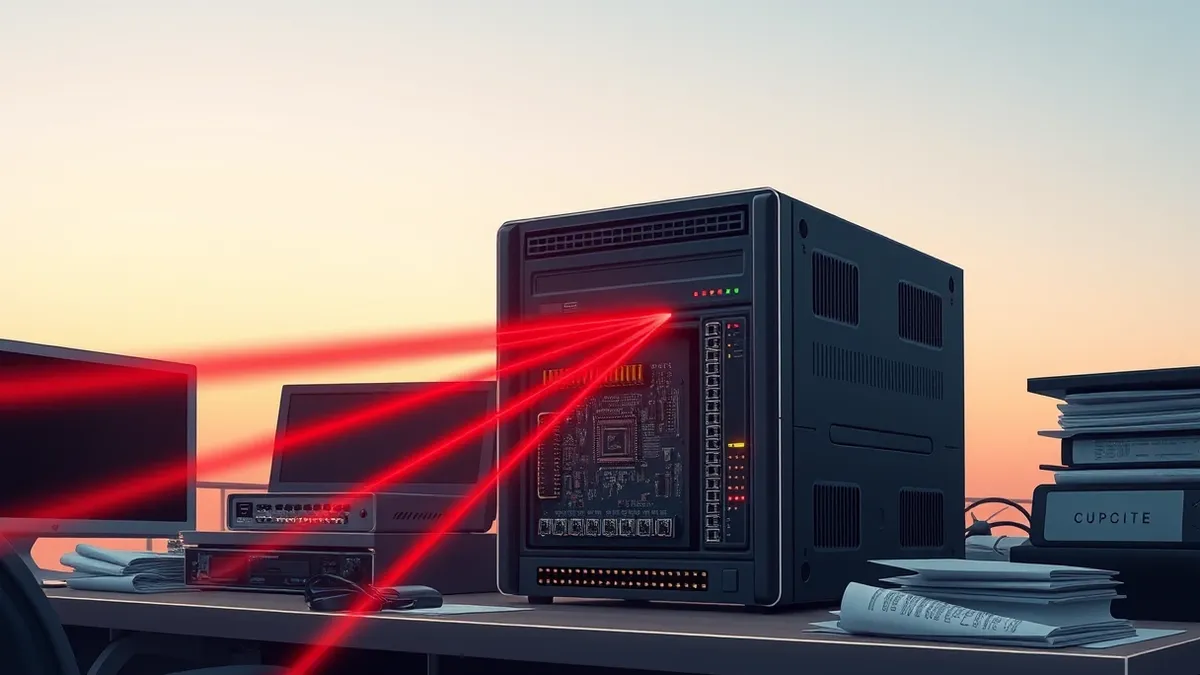
Threat actors are currently targeting a maximum-severity server-side request forgery vulnerability in SonicWall SMA 1000 network security appliances.
Key points
- Attackers are actively targeting SonicWall SMA 1000 appliances for a maximum-severity SSRF flaw.
- The vulnerability affects SonicWall’s server-side request forgery defenses in these specific devices.
- Customers face immediate risk as the attack campaign is currently underway against this hardware.
Attackers are currently targeting a maximum-severity server-side request forgery vulnerability in SonicWall SMA 1000 appliances, according to a report by Dark Reading. This active targeting places SonicWall customers in a vulnerable position regarding their network security infrastructure.
The flaw is classified as maximum-severity, indicating a high level of risk to affected systems. Dark Reading states that threat actors are currently targeting this weakness. The vulnerability specifically impacts the SMA 1000 line of appliances, which are used for network security.
Context and Background
Server-side request forgery allows attackers to trick servers into making unintended requests. In this case, the flaw resides within the SonicWall SMA 1000 software environment. Dark Reading notes that this situation is familiar yet unenviable for SonicWall customers, suggesting a recurring pattern of exposure.
The report emphasizes the immediacy of the threat. Attackers are targeting the SSRF flaw. This targeting means that deployed SMA 1000 units are at risk of compromise if not addressed.
Who Is Affected
SonicWall SMA 1000 appliance users are the primary targets of this attack campaign. The specific hardware model is clearly identified in the Dark Reading report. Organizations relying on these appliances for network security must assume their devices are under active scrutiny by malicious actors.
The risk is current and active. Dark Reading states that attackers are "currently targeting" the vulnerability. This phrasing indicates ongoing targeting attempts rather than a future or hypothetical threat. Users of this specific product line are directly exposed.
What should you do?
Security teams should immediately verify if they deploy SonicWall SMA 1000 appliances. Confirming the presence of this specific hardware is the first step in assessing exposure. Once identified, organizations should monitor network traffic for unusual server-side request patterns that may indicate exploitation.
What to do and how to stay safe: SonicWall
- Inventory your network to confirm if SonicWall SMA 1000 appliances are currently deployed in your environment.
- Monitor server logs and network traffic for anomalous requests that could indicate server-side request forgery attempts.
- Restrict outbound traffic from these appliances to essential destinations only to limit the impact of any potential SSRF exploitation.
- Await official vendor guidance or patches regarding this maximum-severity vulnerability before making further configuration changes.
Step-by-step guide: Risk Based Vulnerability Management: Prioritize Fixes by Actual Threat
General security guidance from the Threat Times newsroom. It is not confirmed advice from the organisations named in this story.
Frequently asked questions
Which SonicWall products are affected by this vulnerability?
The SonicWall SMA 1000 appliances are specifically identified as the target of this maximum-severity SSRF attack.
Is this vulnerability being actively exploited?
Dark Reading reports that attackers are currently targeting this vulnerability.
What is the severity rating of this vulnerability?
The vulnerability is described as maximum-severity in the reporting from Dark Reading.