Waymo secures $5 billion debt financing from Blackstone and PIMCO for robotaxi expansion
The Alphabet-owned autonomous vehicle company has secured its first major debt financing deal to accelerate its self-driving taxi operations.
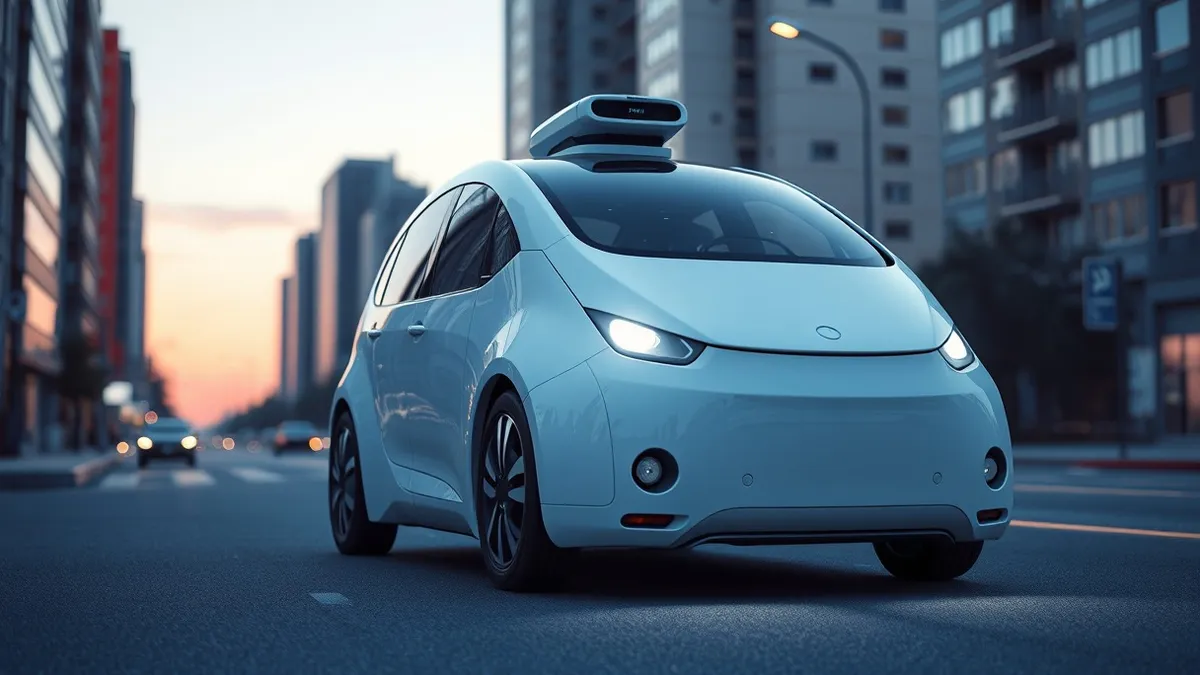
Key points
- Waymo has secured a $5 billion loan facility.
- The financing is provided by Blackstone and PIMCO.
- This marks the first time the company has utilized debt financing.
Waymo, the autonomous vehicle subsidiary of Alphabet, has secured a $5 billion loan from investment firms Blackstone and PIMCO. According to a report by TechCrunch, this funding is intended to fuel the expansion of Waymo’s robotaxi services.
This transaction represents a significant shift in the company’s capital strategy. It is the first time that the Alphabet-owned entity has turned to debt financing to support its operations and growth initiatives. By leveraging debt rather than solely relying on equity or internal cash flows, Waymo is altering its financial approach to scale its self-driving technology.
Strategic Shift in Financing
The decision to pursue debt financing indicates a maturation in Waymo’s business model. Previously, the company has likely relied on equity investments from its parent company, Alphabet, or venture capital. The involvement of major financial institutions like Blackstone and PIMCO suggests confidence in the commercial viability of autonomous ride-hailing services.
According to TechCrunch, the primary goal of this $5 billion infusion is to expand the robotaxi fleet and operational footprint. This capital will likely be used to procure more vehicles, expand service areas, and improve the underlying technology infrastructure required for large-scale autonomous operations. The move allows Waymo to accelerate its timeline without diluting ownership stakes further through equity rounds.
Impact on the Autonomous Vehicle Sector
This financing deal has implications for the broader autonomous vehicle industry. Competitors such as Cruise, Zoox, and traditional automakers investing in self-driving technology are watching closely. The ability to secure large-scale debt financing may set a precedent for how other AV startups raise capital. It signals that institutional investors are willing to back the sector with traditional financial instruments, viewing the technology as a stable, revenue-generating asset class rather than just a speculative venture.
For security and technology professionals, this expansion means a larger attack surface. As Waymo deploys more vehicles and expands its service areas, the complexity of its software and network infrastructure will increase. This growth necessitates robust cybersecurity measures to protect against potential threats to vehicle safety and data privacy. The scale of operations will require continuous monitoring and rigorous testing of autonomous systems.
What should you do?
Security professionals should monitor Waymo’s expansion plans for any new partnerships or technology integrations that could introduce vulnerabilities. Organizations involved in the autonomous vehicle supply chain should review their security protocols to ensure they meet the heightened standards required by large-scale deployments. There is no immediate fix or patch required, as this is a financial development rather than a security incident. However, staying informed about the scale of deployment can help anticipate future security challenges.
Frequently asked questions
Who provided the loan to Waymo?
Blackstone and PIMCO provided the $5 billion loan to Waymo.
Is this the first time Waymo has used debt financing?
Yes, according to TechCrunch, this is the first time the Alphabet-owned company has turned to debt financing.
What is the purpose of the $5 billion loan?
The loan is intended to fuel the expansion of Waymo’s robotaxi operations.