Neolix Tests Nighttime Driverless Parcel Deliveries in Shenzhen
Beijing-based Neolix expands its autonomous fleet operations with nighttime parcel delivery trials in Shenzhen.
Key points
- Neolix operates the world's largest robovan fleet.
- The company is testing nighttime parcel deliveries in Shenzhen.
- Autonomous vehicle firms target the after-hours delivery market.
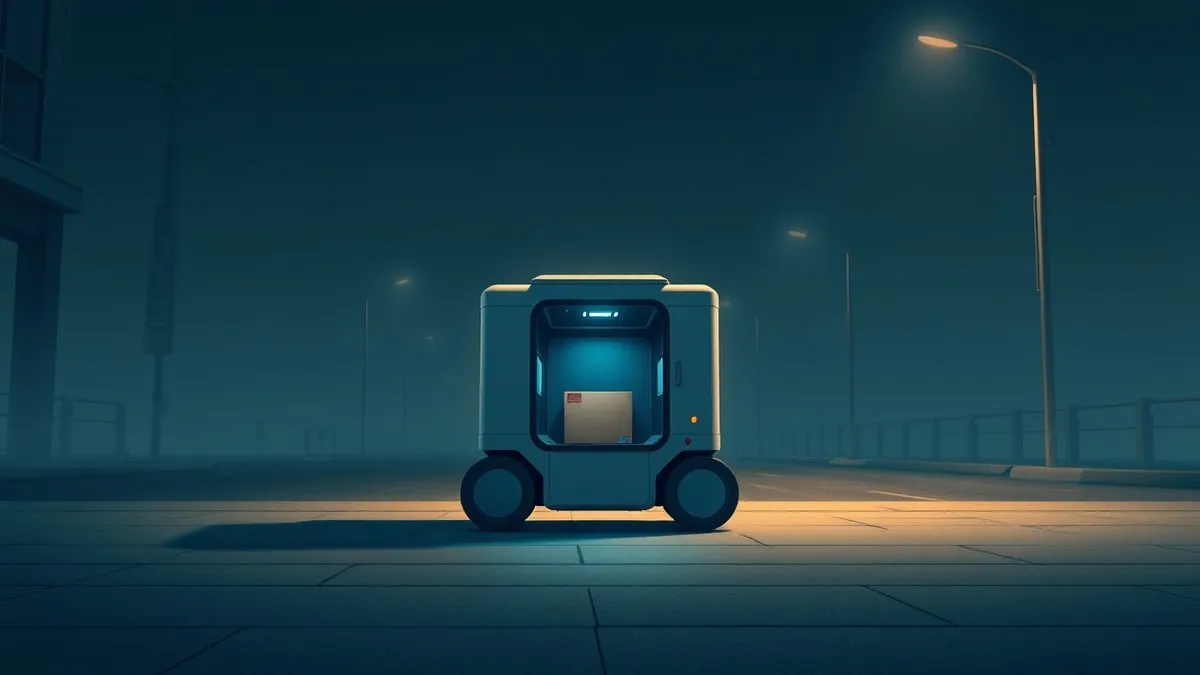
Beijing-based Neolix is testing nighttime parcel deliveries using driverless vehicles in Shenzhen, according to a report by Techmeme citing Bloomberg. The autonomous vehicle company is expanding its operational hours to capture market opportunities that exist after dark. This move highlights the growing ambition of self-driving firms to utilize their fleets beyond standard business hours.
Neolix currently operates what is described as the world's largest robovan fleet, with a count of 27K vehicles, according to the Techmeme summary of the Bloomberg report. The company is based in Beijing and is leveraging this large-scale infrastructure to test logistics capabilities in Shenzhen. The focus on nighttime operations suggests a strategic shift toward maximizing asset utilization.
Context and Background
Autonomous vehicle companies believe there is a huge market opportunity in delivering after dark, according to the Techmeme summary. The primary constraint for this expansion involves overcoming significant technical challenges associated with low-light conditions and reduced visibility. These trials in Shenzhen serve as a practical testbed for these specific engineering and operational hurdles.
The industry view, as reported by Techmeme citing Bloomberg, posits that if these technical challenges can be overcome, the after-hours delivery market is substantial. Neolix’s existing fleet size of 27K provides a unique scale for these tests compared to smaller competitors. This scale allows for more robust data collection on vehicle performance during night shifts.
Who Is Affected
Logistics providers and urban planning authorities in Shenzhen are directly affected by these nighttime delivery tests. The introduction of driverless vehicles into night traffic patterns requires coordination with local regulations and infrastructure management. Residents and businesses receiving these parcels may experience changes in delivery times and logistics workflows.
The autonomous vehicle sector is also affected, as Neolix’s progress sets a benchmark for other companies aiming for similar nighttime operations. Competitors may accelerate their own testing schedules to match the capabilities demonstrated by Neolix’s 27K vehicle fleet. The success or failure of these trials will influence industry-wide investment in night-driving technology.
What should you do?
Security and technology professionals should monitor regulatory updates regarding autonomous vehicle operations in urban areas. Understanding the technical requirements for night-time autonomous driving can inform infrastructure security planning. Stakeholders should watch for reports on how these vehicles handle edge cases in low-visibility environments.
What to do and how to stay safe: Neolix
- Monitor local regulations regarding autonomous vehicle testing in your city.
- Review infrastructure security plans for intersections used by driverless fleets.
- Assess logistics partners for their data security practices in autonomous operations.
- Stay informed on technical challenges related to night-time autonomous driving.
General security guidance from the Threat Times newsroom. It is not confirmed advice from the organisations named in this story.
Frequently asked questions
Who is testing nighttime driverless deliveries?
Beijing-based Neolix is testing nighttime parcel deliveries by driverless vehicles in Shenzhen.
How large is Neolix's fleet?
Neolix operates the world's largest robovan fleet, with a reported count of 27K vehicles.
Why are companies targeting nighttime deliveries?
Autonomous vehicle companies believe there is a huge market opportunity in delivering after dark if technical challenges are overcome.