Waymo Plans to Expand Robotaxi Fleet to 20,000 Vehicles by 2027
The Alphabet-owned company aims to quintuple its fleet using new Ojai vans, following a $5 billion loan deal with major lenders.
Key points
- Waymo intends to grow its robotaxi fleet from 4,000 to 20,000 vehicles by the end of 2027.
- The expansion relies heavily on the new Ojai van, which is built on a chassis from Chinese automaker Zeekr.
- The company secured a $5 billion loan earlier this month, marking its first debt transaction.
Waymo plans to increase its robotaxi fleet fivefold, reaching 20,000 vehicles by the end of 2027, according to a report by Semafor. The Alphabet-owned autonomous driving company currently operates approximately 4,000 cars and aims to double that number to 8,000 by the end of this year.
This aggressive growth strategy follows a $5 billion loan secured earlier this month, which represents Waymo’s first debt deal. Lenders for this transaction include PIMCO, Blackstone, and Sixth Street. This financing comes in addition to a $16 billion funding round the company completed earlier this year.
Fleet Composition and Supply Chain
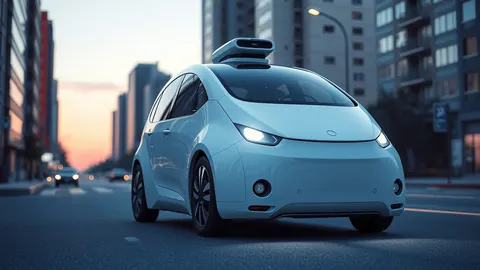
Much of the new fleet will consist of the Ojai, Waymo’s newest robotaxi model. The Ojai is built on an electric vehicle platform from Zeekr, a brand owned by China’s Geely. Waymo installs its own self-driving technology at a factory in Mesa, Arizona, rather than importing the vehicles with pre-installed Chinese software.
The New York Post reported that Waymo is on pace to import about 5,100 Ojai vehicles by the end of this year, citing research firm MoffettNathanson. The Ojai replaces the Jaguar I-Pace, which Jaguar ceased production on in 2024. This shift allows Waymo to bypass the 100% US tariff on Chinese cars and federal restrictions on Chinese connected-car software by importing bare chassis and adding its own systems domestically.
Operational Expansion and Risks
Waymo currently operates paid rides in 15 US cities, including Los Angeles, Miami, and the San Francisco Bay Area. The company also announced plans to begin testing in the Madrid region, with the goal of carrying its first riders there in 2027. Competitors WeRide and Uber are already active in Spain, having secured the country’s first permit for driverless cars.
The planned fleet size would place Waymo significantly ahead of rivals. In Texas, Waymo operates hundreds of cars, while Tesla had only 42 robotaxis according to state records. However, a larger fleet introduces operational risks. In May, Waymo paused service in five cities after its vehicles repeatedly drove into flooded roads. Waymo declined to comment to Semafor regarding the expansion plans.
What should you do?
Security professionals should monitor how autonomous vehicle manufacturers handle software supply chains, particularly when integrating hardware from foreign suppliers. Organizations involved in autonomous transport should review their incident response plans for scenarios involving sensor failure or environmental misinterpretation, such as the flooding incidents reported. Stakeholders should also track regulatory developments regarding tariffs and software restrictions on imported automotive components.
What to do and how to stay safe: Waymo
- Review supply chain security policies to ensure foreign hardware components are stripped of unauthorized software before deployment.
- Update incident response protocols to address environmental hazards that may confuse autonomous navigation systems.
- Monitor regulatory changes regarding tariffs and software restrictions on imported automotive technology.
- Verify that all autonomous vehicle software updates are applied consistently across the entire fleet.
Step-by-step guide: Mobile Device Security: How to Protect Data Beyond Passwords
General security guidance from the Threat Times newsroom. It is not confirmed advice from the organisations named in this story.
Frequently asked questions
How many robotaxis does Waymo currently operate?
Waymo currently operates approximately 4,000 robotaxis, according to the report by Semafor.
What is the source of the new Ojai vehicle chassis?
The Ojai is built on an electric car from Zeekr, a brand of China’s Geely.
Did Waymo confirm these expansion plans?
Waymo declined to comment to Semafor regarding the reported fleet growth and expansion plans.