Spain’s Computing History Museum Unveils Cray-1 Replica Built From Mac Minis
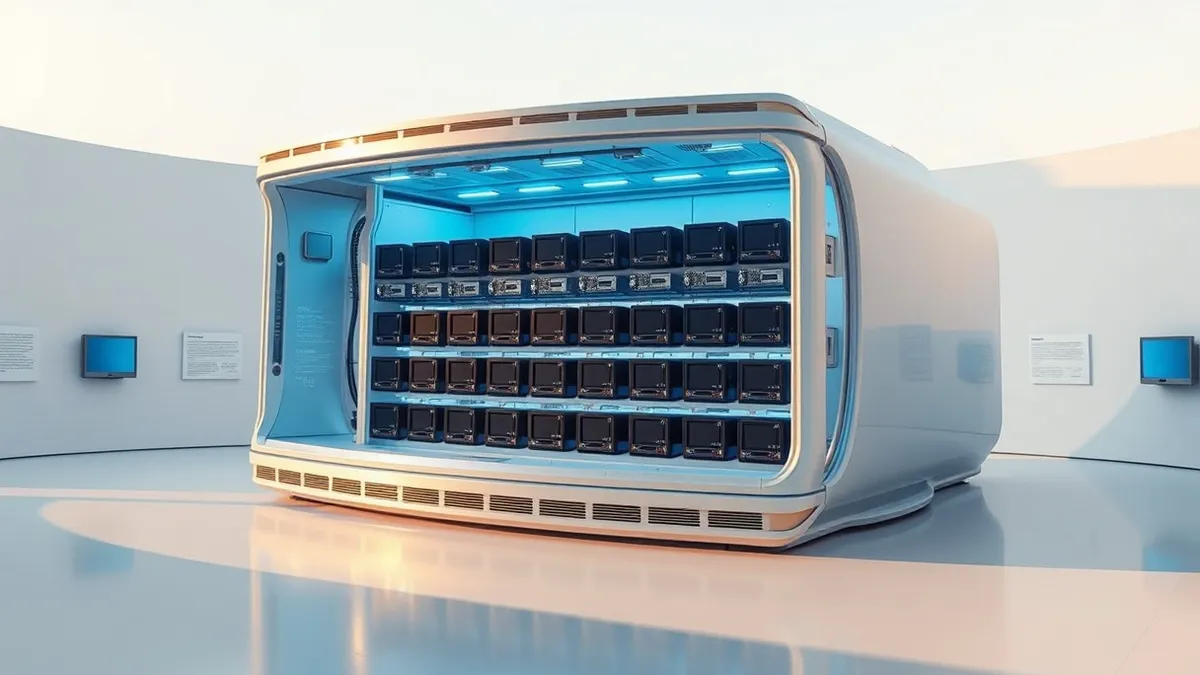
The Museo de Historia de la Computación in Spain has displayed a functional Cray-1 replica constructed from thirty obsolete Apple Mac Mini computers.
Key points
- The replica was built using thirty retired Apple Mac Mini units.
- The installation is located at Spain’s Museo de Historia de la Computación.
- The project highlights retro styling and upcycling of obsolete hardware.
Spain’s Museo de Historia de la Computación has installed a functional replica of the historic Cray-1 supercomputer, constructed entirely from thirty obsolete Apple Mac Mini computers. According to a report by Ars Technica, the installation serves as a demonstration of stylish upcycling and retro aesthetic design within a museum context.
The replica utilizes thirty units of the compact desktop computer, which are no longer in active service. The construction focuses on replicating the visual form and nostalgic appeal of the original Cray-1 system rather than matching its computational performance. The project was executed to showcase how retired consumer hardware can be repurposed for educational and display purposes. The resulting structure maintains the distinctive angular shape associated with the original supercomputer design.
Museum Context and Design Intent
The Museo de Historia de la Computación, located in Spain, serves as a repository for historical computing artifacts. The inclusion of the Mac Mini-based replica aligns with the institution’s mission to preserve and present the evolution of computing technology. By using obsolete consumer devices, the museum creates a tangible link between modern personal computing and the era of mainframe and supercomputer dominance.
The design prioritizes visual fidelity to the original Cray-1, which was known for its unique physical appearance in data centers. The use of Apple Mac Minis provides a contrast between the compact, mass-produced nature of the source hardware and the singular, custom-built nature of the original supercomputer. This juxtaposition emphasizes the changes in hardware form factors over several decades.
Historical Significance
The original Cray-1 was a landmark system in the history of high-performance computing. Its distinctive design made it an icon of the industry during its operational period. Replicas and tributes to the system often appear in museums and technology exhibitions to educate visitors about the physical scale and engineering of early supercomputers.
This specific installation differs from traditional restorations by using commercially available, obsolete components rather than period-accurate parts. The approach demonstrates that historical forms can be recreated using modern, albeit retired, technology. It also highlights the lifecycle of consumer electronics, showing how devices considered obsolete for general use can find new life in specialized artistic or educational projects.
What should you do?
Security professionals and technology historians may find value in examining how obsolete hardware is repurposed in public installations. While this specific event is a museum display, it underscores the broader trend of hardware reuse. Organizations managing legacy systems should consider the physical security and data sanitization of retired devices before they are repurposed or disposed of.
What to do and how to stay safe: Apple
- Verify that all data is permanently erased from obsolete hardware before repurposing or donating it for non-operational use.
- Assess the physical security requirements for any legacy systems or replicas displayed in public or semi-public areas.
- Monitor vendor support lifecycles to ensure that any connected components, even in display units, do not introduce unnecessary network exposure.
- Document the provenance and configuration of repurposed hardware to maintain clear records for asset management and historical accuracy.
General security guidance from the Threat Times newsroom. It is not confirmed advice from the organisations named in this story.
Frequently asked questions
What hardware was used to build the Cray-1 replica?
The replica was constructed using thirty obsolete Apple Mac Mini computers.
Where is the Cray-1 replica currently located?
It is installed at Spain’s Museo de Historia de la Computación.
Is the replica a fully functional supercomputer?
The source material describes it as a replica focused on stylish upcycling and retro flair, not as a functional supercomputer matching the original’s performance.