SpaceX urges better orbital coordination after dangerous Starlink near-misses
SpaceX reports that its Starlink satellites experienced dangerously close conjunctions with other objects in low Earth orbit, prompting a call for improved coordination.
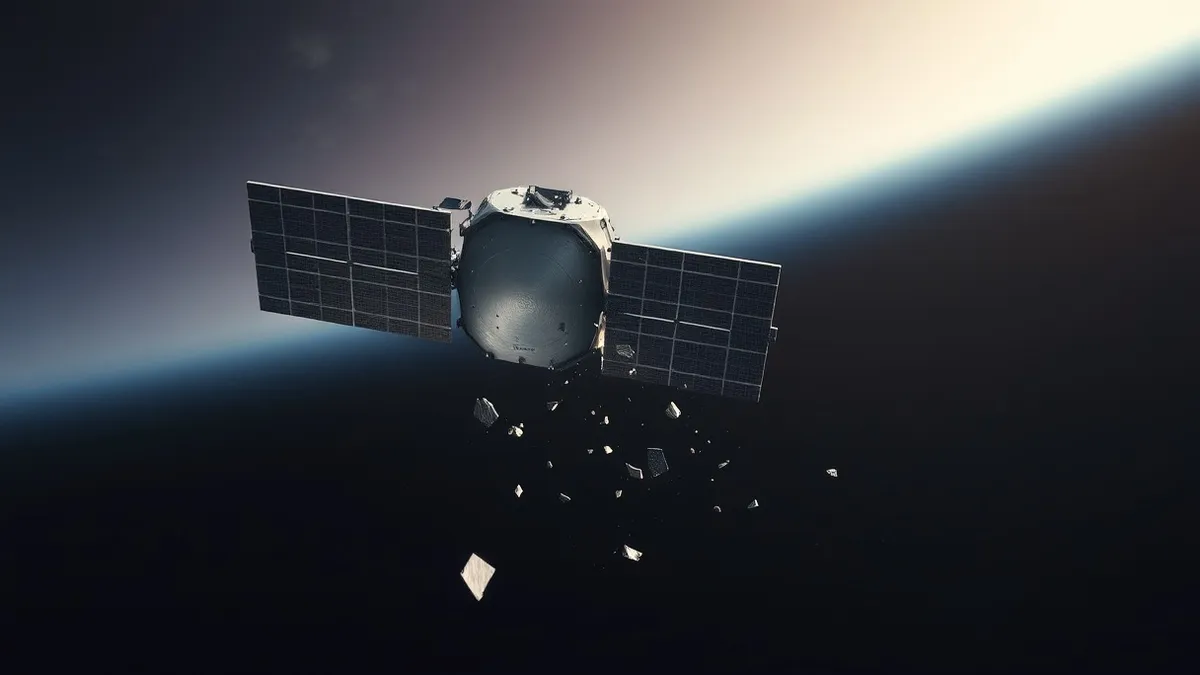
Key points
- SpaceX identifies multiple near-miss events involving Starlink satellites and other orbital objects.
- The conjunctions occurred at distances ranging from tens of meters to hundreds of meters.
- The company states these proximity levels are unsafe and require better industry coordination.
SpaceX has issued a public call for improved coordination among operators in low Earth orbit following a series of dangerous near-misses involving its Starlink satellites. According to a report by Ars Technica, the satellite operator highlighted specific instances where its assets came uncomfortably close to other objects in space, raising concerns about the sustainability of current orbital traffic management practices.
The company described the proximity of these encounters as "way too close to comfort," indicating a significant risk of collision. The reported conjunctions involved distances ranging from tens of meters to hundreds of meters between Starlink satellites and other orbital debris or active spacecraft. In the context of high-speed orbital mechanics, such small margins leave little room for error or unexpected trajectory shifts, increasing the likelihood of catastrophic collisions that could generate further debris.
Context and Background
The issue of space traffic management has become increasingly critical as the number of satellites in low Earth orbit continues to grow exponentially. Starlink, SpaceX’s massive constellation, is one of the largest groups of satellites in orbit, designed to provide global broadband internet coverage. However, the density of objects in these orbital shells creates a complex environment where tracking and avoiding collisions is technically challenging.
According to Ars Technica, the specific near-misses cited by SpaceX underscore the limitations of current coordination protocols. When satellites operate in close proximity, even minor adjustments in orbit can lead to conjunction alerts. The fact that these alerts resulted in actual close approaches suggests that either predictive models are insufficient or that operators are not sharing trajectory data effectively in real-time.
The characterization of these events as "too close to comfort" by SpaceX serves as a public acknowledgment of the operational risks. While collisions have not yet occurred in these specific instances, the narrow margins highlight the fragility of the current space environment. Without improved standards for communication and maneuvering, the risk of a chain reaction of collisions—often referred to as the Kessler syndrome—remains a tangible threat to all space-based infrastructure.
Who is Affected
The primary entities affected by these near-misses are satellite operators, particularly those managing large constellations in low Earth orbit. Companies like SpaceX, OneWeb, and Amazon’s Project Kuiper are directly impacted by the increasing congestion in their operational bands. These operators must invest significant resources in collision avoidance systems and constant monitoring to protect their assets.
Additionally, the broader space industry, including government agencies and scientific satellite operators, faces increased risk. A collision involving any satellite can create a cloud of debris that threatens all other objects in similar orbits, regardless of their purpose. This includes critical infrastructure such as weather satellites, Earth observation platforms, and communication relays used by emergency services and military organizations.
What should you do?
For security and technology professionals monitoring space-based infrastructure, the immediate step is to review the resilience of systems that rely on satellite connectivity. Organizations should assess their backup communication plans in the event of satellite failure or orbital debris events. It is also advisable to stay informed about regulatory developments regarding space traffic management, as new standards may emerge in response to these reported near-misses.
What to do and how to stay safe: SpaceX
- Monitor official channels for updates on space traffic management regulations and safety protocols.
- Review business continuity plans to ensure redundancy for satellite-dependent communications.
- Assess the risk profile of any services relying on low Earth orbit satellite constellations.
- Stay informed about industry-wide efforts to improve collision avoidance data sharing.
General security guidance from the Threat Times newsroom. It is not confirmed advice from the organisations named in this story.
Frequently asked questions
How close were the Starlink satellites to other objects?
The conjunctions ranged from tens of meters to hundreds of meters, which SpaceX described as too close for comfort.
Who reported these near-misses?
SpaceX reported the incidents, as covered by Ars Technica.
Has a collision occurred?
No, these were near-misses, but the proximity raised significant safety concerns.