Rocket Lab Delays Neutron Rocket First Flight to 2027 Over Carbon Composite Defects
CEO Peter Beck cites manufacturing voids in propellant tank domes as the cause for pushing the medium-lift vehicle's debut to 2027.
Key points
- Rocket Lab announced the Neutron rocket will not fly until 2027 due to manufacturing defects in carbon composite structures.
- Engineers discovered air pockets, or voids, between layers of carbon fiber in the propellant tank domes during inspections.
- The delay confirms earlier internal knowledge, despite August updates suggesting a late 2026 launch possibility.
Rocket Lab announced Wednesday that its Neutron launch vehicle will not conduct its first flight until 2027, citing a significant issue discovered during the manufacturing of the rocket’s carbon composite structures. This statement serves as public confirmation of schedule slips that industry observers and internal staff had already anticipated, according to Ars Technica.
CEO Peter Beck identified specific defects in the dome sections at the ends of the rocket’s first-stage propellant tanks as the primary reason for the latest delay. The company stated that these findings caused it to delay production while engineers investigated the root cause further. This announcement follows the rocket’s initial 2021 unveiling, which originally targeted a 2024 debut.
Manufacturing Challenges with Carbon Composites
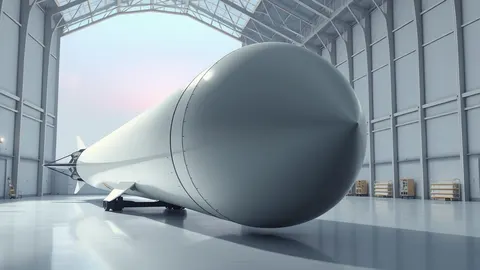
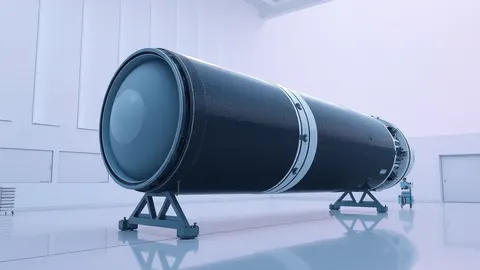
The Neutron rocket’s reusable first stage utilizes carbon composite structures to achieve low weight, high strength, and corrosion resistance. However, Beck noted that these materials are generally harder to manufacture than traditional metallic structures. The first stage represents the largest pressurized structure ever made from carbon composite, requiring new out-of-autoclave processes because its scale prevents it from fitting into standard high-pressure thermal curing chambers.
During the curing process, where carbon fiber layers are laid in a mold and heated to bind them, engineers discovered voids between the layers in a newly cured forward dome. These air pockets are particularly problematic for large pieces like the forward and aft domes of the propellant tanks, which require custom cure cycles. Beck explained that these defects could compromise the structure’s strength, durability, and overall reliability.
Industry Context and Timeline
Prior to Wednesday’s announcement, the most recent official update from Rocket Lab in August suggested the company still held hope of delivering the first Neutron rocket to its Wallops Island, Virginia, launch pad before the end of this year. Such a schedule would have inevitably pushed the first flight into 2027 anyway. As Threat Times reported on 2026-10-15, manufacturing flaws in propellant tank domes were already known to be pushing the first flight to 2027.
The company’s statement indicates ongoing struggles with manufacturing the large booster stage. The shift from hoped-for late 2026 delivery to a confirmed 2027 flight date underscores the complexity of scaling up carbon composite manufacturing. No fix has been confirmed yet for the specific manufacturing process, only a delay to allow for further investigation.
What should you do?
Security and technology professionals monitoring the aerospace sector should track official statements from Rocket Lab regarding the resolution of the manufacturing defects. Investors and analysts should review the revised 2027 timeline for impact on project schedules. Industry partners should verify any downstream dependencies tied to the Neutron launch vehicle’s availability.
What to do and how to stay safe: Rocket Lab
- Monitor official communications from Rocket Lab for updates on the investigation into the carbon composite manufacturing defects.
- Review project timelines and contracts that depend on the Neutron rocket’s launch schedule to assess potential delays.
- Check for any revised safety standards or manufacturing guidelines that may emerge from the investigation into the void defects.
- Stay informed about industry trends in carbon composite manufacturing, as this issue may highlight broader challenges in the aerospace sector.
Step-by-step guide: Mobile Device Security: How to Protect Data Beyond Passwords
General security guidance from the Threat Times newsroom. It is not confirmed advice from the organisations named in this story.
Frequently asked questions
Why is Rocket Lab delaying the Neutron rocket launch?
Rocket Lab is delaying the launch due to manufacturing defects, specifically voids or air pockets, found in the carbon composite propellant tank domes.
When is the new expected first flight date for Neutron?
The first flight for the Neutron rocket is now expected to occur in 2027.
What specific part of the rocket has the manufacturing defect?
The defect lies in the dome sections at the ends of the rocket’s first-stage propellant tanks.