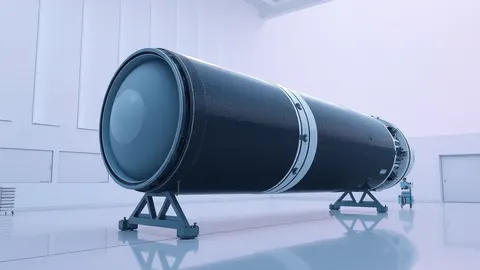
Rocket Lab Delays Neutron Rocket Launch to 2027 Over Carbon Composite Defects
Rocket Lab CEO Peter Beck confirmed a manufacturing flaw in propellant tank domes has pushed the first Neutron flight to 2027.
Key points
- Rocket Lab announced Wednesday that the Neutron rocket’s first launch is delayed until 2027.
- Engineers discovered voids or air pockets in the carbon composite propellant tank domes.
- The company is investigating the manufacturing process for these large out-of-autoclave structures.
Rocket Lab announced on Wednesday that the maiden flight of its Neutron launch vehicle will not occur until 2027. The company cited a manufacturing defect discovered in the rocket’s carbon composite structures as the primary reason for this significant schedule adjustment.
Founder and CEO Peter Beck stated that the issue specifically affects the dome sections at the ends of the first stage propellant tanks. This discovery forced the company to delay production and launch a deeper investigation into the manufacturing processes used for these critical components.
Manufacturing Challenges with Carbon Composites
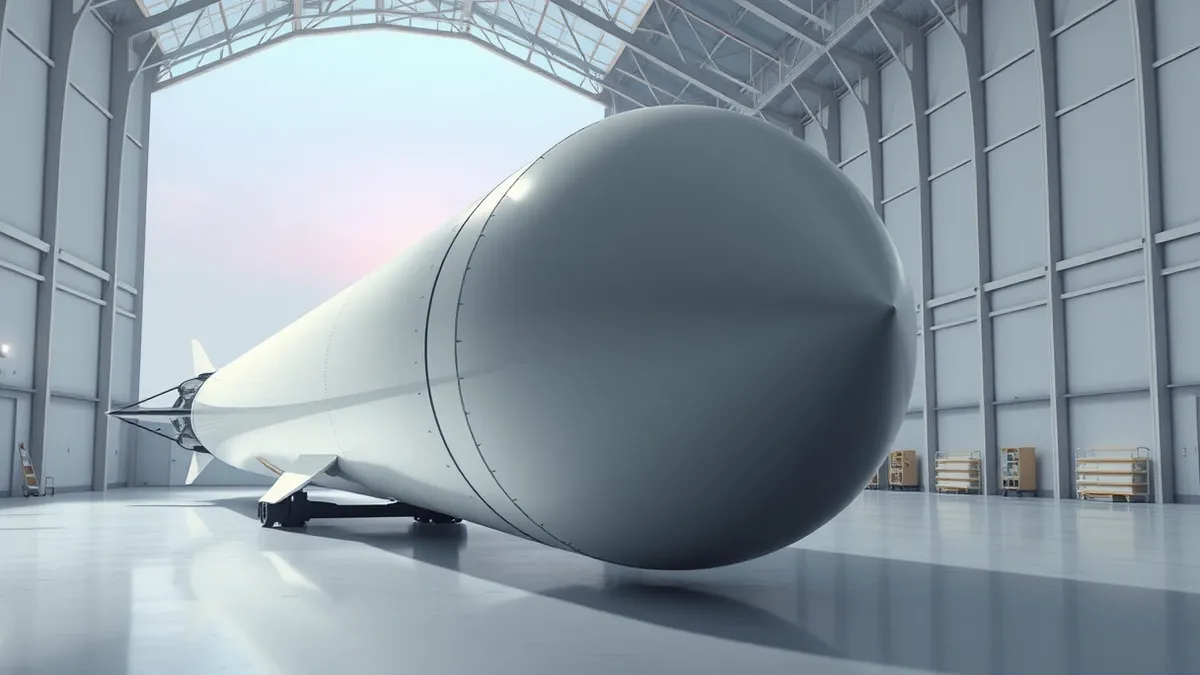
The Neutron rocket’s reusable first stage is constructed from carbon composite materials chosen for their low weight, high strength, and corrosion resistance. However, manufacturing these large aerospace structures is generally more difficult than producing metallic counterparts, according to industry analysis by Ars Technica.
Beck described the first stage as the largest pressurized structure ever made from carbon composite. Because of its massive scale, Rocket Lab had to develop new out-of-autoclave processes to build the vehicle, including custom cure cycles for large pieces like the forward and aft domes.
Inspection Results and Structural Concerns
During routine inspections, engineers identified voids, or air pockets, between the layers of carbon fiber that make up the domes’ composite structure. These defects were found in a newly cured forward dome and could potentially compromise the structure’s strength, durability, and overall reliability.
The manufacturing process involves laying down carbon fiber layers in a mold and then curing the material by heating it to bind the fibers. This procedure is particularly tricky for large structures that cannot fit into an autoclave, a high-pressure thermal curing chamber common in modern aerospace factories.
Industry Context and Previous Updates
This public confirmation aligns with expectations held by many within Rocket Lab and the broader space industry. The most recent official update from the company in August suggested a potential delivery of the first Neutron rocket to the Wallops Island launch pad in Virginia before year-end.
That previous timeline would have likely pushed the first flight into 2027 regardless. Rocket Lab originally announced the Neutron rocket in 2021 with an initial target for a first flight in 2024, but subsequent technical challenges have repeatedly extended the development timeline.
What should you do?
Security and technology professionals monitoring space infrastructure should track official announcements from Rocket Lab regarding the Neutron program’s revised timeline. Stakeholders involved in launch scheduling or payload integration should adjust their planning horizons to account for the new 2027 target date.
What to do and how to stay safe: Rocket Lab
- Monitor official channels from Rocket Lab for further updates on the Neutron manufacturing investigation and timeline.
- Review existing contracts or launch schedules that depend on the Neutron vehicle to assess potential impacts of the delay.
- Stay informed about developments in carbon composite manufacturing standards for large aerospace structures.
- Evaluate alternative launch vehicle options if immediate access to heavy-lift capabilities is required for upcoming missions.
Step-by-step guide: Mobile Device Security: How to Protect Data Beyond Passwords
General security guidance from the Threat Times newsroom. It is not confirmed advice from the organisations named in this story.
Frequently asked questions
When is the first Neutron rocket flight now scheduled to occur?
Rocket Lab announced on Wednesday that the first flight of the Neutron rocket is delayed until 2027.
What specific manufacturing defect caused the delay?
Engineers discovered voids or air pockets between layers of carbon fiber in the propellant tank domes of the first stage.
Why are carbon composites difficult to manufacture for large rockets?
Large structures often cannot fit into standard autoclaves, requiring complex out-of-autoclave curing processes that are prone to defects like voids.