Intero Biosystems sells lab-grown human intestines to drugmakers
Denver startup Intero Biosystems is shipping mini human organs to pharmaceutical companies seeking alternatives to animal testing models.
Key points
- Intero Biosystems sells GastroScreen, a human intestinal organoid model, to pharmaceutical and biotech firms.
- The Denver startup raised $2.3 million in pre-seed funding and has nearly 10 customers.
- Organoids contain multiple cell types to better mimic human biology than simpler models.
Denver-based Intero Biosystems is selling lab-grown human intestinal tissue to pharmaceutical and biotech companies as an alternative to animal testing models. According to TechCrunch, the startup aims to help drugmakers study how compounds affect human biology before clinical trials.
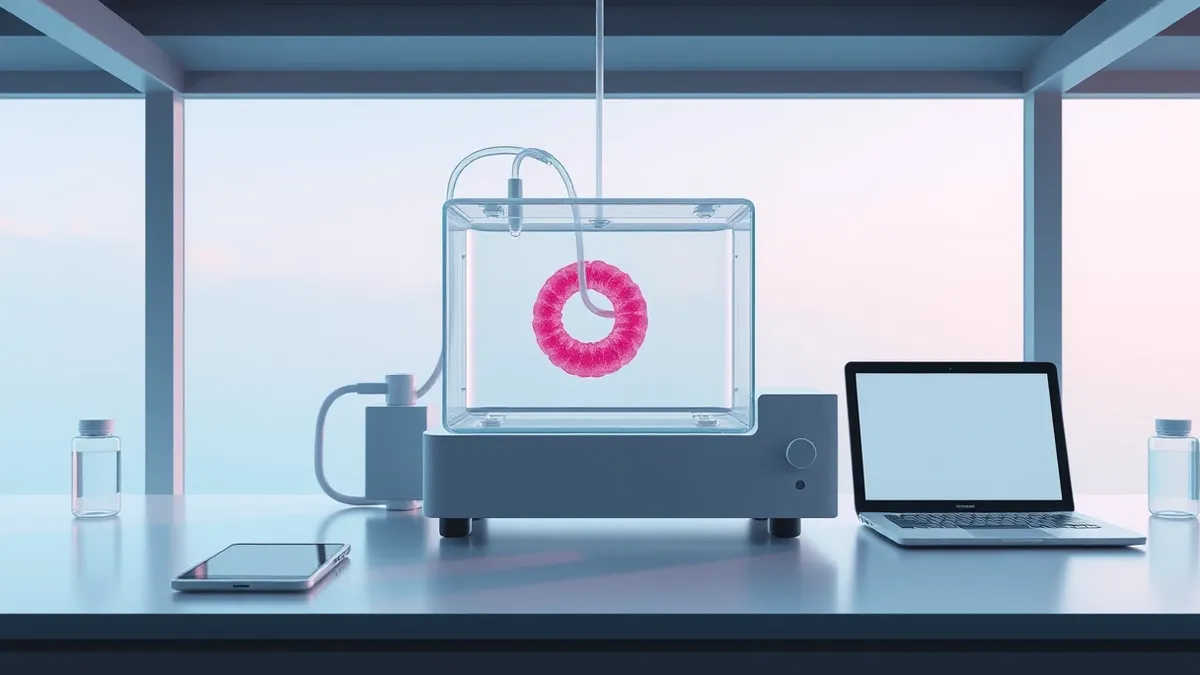
Intero’s flagship product, GastroScreen, consists of organoids about one millimeter across that mimic the human gut. Co-founder and CEO Charlie Childs told TechCrunch that the company ships roughly 100 of these mini organs at a time in tubes to customers.
Technology and Development
Intero spun out of the University of Michigan and was founded in 2024. Co-founder and CTO Madeline Eiken told TechCrunch that their organoids differ from simpler models by containing multiple cell and tissue types found in the human intestine. This complexity makes them a more human-relevant model for testing drugs and other compounds, according to the report.
The company addresses the high failure rate of drugs in clinical trials. Eiken noted that most drugs fail because animal models do not always translate to human outcomes. She stated that researchers are neither mice nor flat layers of cells, implying the need for better biological models.
Market and Services
Beyond selling the organoids, Intero provides supplies needed to grow and work with the tissue, including nutrient mixes and experimental chemicals. The startup also runs studies for customers, designing custom experiments and performing lab tests to deliver resulting data. Much of this work focuses on drug safety and disease research.
Customers can use the organoids as healthy intestinal models or induce disease-like conditions to test tissue responses. For example, a client might expose the organoids to a drug candidate to see if it harms the gut. Intero currently has seven employees and just under 10 customers after raising a $2.3 million pre-seed round last year.
What should you do?
Pharmaceutical and biotech firms evaluating their preclinical testing strategies should assess whether human-relevant models like organoids can reduce late-stage trial failures. Researchers should review the specific cell types included in available organoid models to ensure they match their target biological pathways. Companies should also verify the regulatory acceptance of data generated from these non-animal models before fully replacing traditional methods.
What to do and how to stay safe: Intero Biosystems
- Review current preclinical testing protocols to identify areas where human-relevant models could improve predictive accuracy.
- Evaluate the specific biological capabilities of available organoid products to ensure they match your research needs.
- Consult with regulatory experts to understand how data from non-animal models is viewed in current approval processes.
- Monitor industry trends regarding the shift away from animal testing to anticipate future regulatory requirements.
Step-by-step guide: Mobile Device Security: How to Protect Data Beyond Passwords
General security guidance from the Threat Times newsroom. It is not confirmed advice from the organisations named in this story.
Frequently asked questions
What is Intero Biosystems' main product?
Their flagship product is GastroScreen, a human intestinal organoid model sold to pharmaceutical and biotech companies.
How does Intero ship its organoids?
The company ships roughly 100 organoids at a time in a tube, according to CEO Charlie Childs.
How much funding has Intero raised?
Intero raised a $2.3 million pre-seed round last year, according to TechCrunch.