Google Launches Fitbit Edge Tracker With Display, GPS And ECG Sensors
The new device features a larger AMOLED screen, improved GPS accuracy, and a replaceable battery, marking Google's second Fitbit release this year.
Key points
- The Fitbit Edge includes a pill-shaped AMOLED display protected by Gorilla Glass 3 and precision aluminum casing.
- Hardware sensors support heart rate, ECG, SpO2, skin temperature, and elevation tracking via a dedicated altimeter.
- Battery life reaches one week with the always-on display off, or two days when that feature is enabled.
Google announced the Fitbit Edge, a new fitness tracker featuring a display and GPS capabilities, according to 9to5Google. This release follows the Fitbit Air, which launched in May, establishing the Edge as the second major device introduced by the company this year.
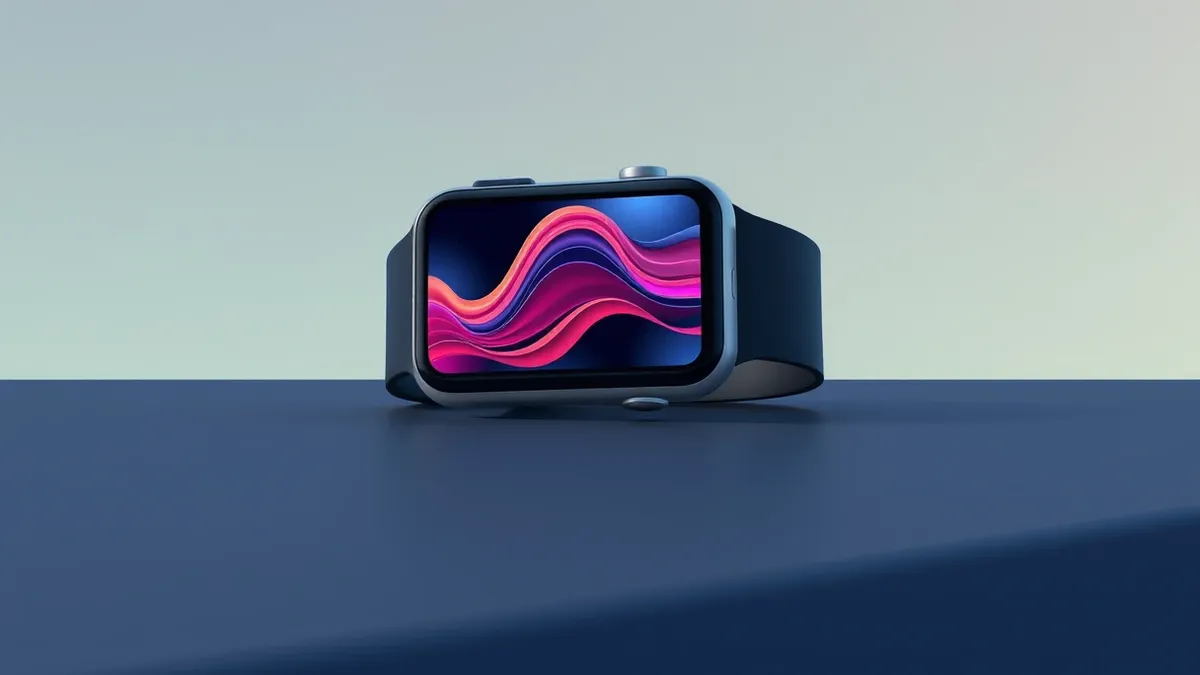
The Fitbit Edge utilizes a wide, pill-shaped AMOLED screen protected by Gorilla Glass 3. According to 9to5Google, this display offers 46% more screen area than the Charge 6 model released in 2023. The device body is 11.5mm thick and constructed from precision-crafted aluminum using nano-molding technology. This design allows for GPS accuracy that is 40% better than the Charge 6. A dedicated altimeter is included for elevation tracking. The right side features a large tactile button for control during activities like swimming. The device carries IP68 and 5ATM dust and water protection ratings.
Hardware and Sensor Specifications
The underside of the Fitbit Edge houses multiple sensors for health and activity monitoring. According to 9to5Google, these include an accelerometer, altimeter, ambient light sensor, far-field skin temperature sensor, gyroscope, and heart rate sensor. The device also features multipurpose electrical sensors for ECG readings and red and infrared sensors for SpO2 monitoring. These components support the broader health tracking capabilities available through the companion software.
Power is managed via the same magnetic USB-C charger used by the Fitbit Air. A five-minute charge provides one day of battery life, while a full top-up requires 90 minutes. Battery life is rated at one week with the always-on display disabled. When the always-on display is enabled, battery life drops to approximately two days. Similar to the Pixel Watch 5, the Fitbit Edge allows users to open the device to replace the battery.
User Interface and Accessories
The Fitbit Edge is available in three color combinations: Matte Black Aluminum with an Obsidian Active Band, Polished Silver Aluminum with a Fog Active Band, and Satin Pyrite Aluminum with an Olive Active Band. According to 9to5Google, the bands are replaceable using a new swap mechanism. Four additional band designs are available for purchase: the $39.99 Active Sport, the $59.99 Magnet Band, and the $49.99 Performance Loop.
The device runs a Fitbit operating system similar to the Air, supporting both Android and iOS. The larger screen enables a richer interface inspired by the Pixel Watch 5. Users can customize watch faces and complications via the Google Health app. Swiping from the watch face accesses tiles for exercise, sleep, heart health, cycle health, weather, timers, alarms, and music controls. Music controls work with any app on the paired device, and phone notifications are supported.
What should you do?
Consumers interested in the Fitbit Edge should verify compatibility with their current smartphones, as the device supports both Android and iOS. Users upgrading from older models like the Charge 6 should review the specific improvements in GPS accuracy and display size. Those prioritizing battery life should consider disabling the always-on display feature to extend usage up to one week.
What to do and how to stay safe: Google
- Verify that your smartphone runs a supported version of Android or iOS to ensure full connectivity with the Fitbit Edge.
- Review the battery life specifications and decide whether to enable the always-on display based on your charging habits.
- Check the available band options and their costs if you plan to customize the device's appearance or fit.
- Monitor for any software updates to the Fitbit operating system that may enhance the interface or sensor performance.
General security guidance from the Threat Times newsroom. It is not confirmed advice from the organisations named in this story.
Frequently asked questions
How does the Fitbit Edge screen compare to the Charge 6?
The Fitbit Edge features a pill-shaped AMOLED display that offers 46% more screen area than the Charge 6, according to 9to5Google.
Can you replace the battery in the Fitbit Edge?
Yes, the Fitbit Edge allows users to open the device to replace the battery, similar to the Pixel Watch 5.
What is the battery life of the Fitbit Edge?
Battery life is rated at one week with the always-on display disabled, or approximately two days when the always-on display is enabled.


