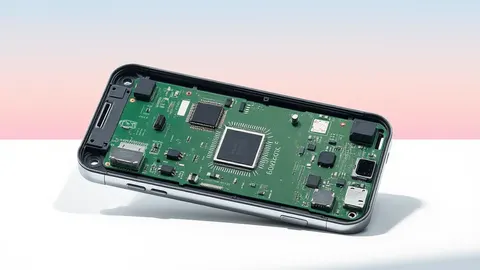
Engadget Recommends 6GB RAM and 5.6-Inch Screens for Budget Android Phones
A new guide outlines non-negotiable hardware specifications for affordable Android devices to ensure adequate daily usability and performance.
Key points
- Minimum 6GB RAM is required for smooth multitasking and gaming on budget devices.
- Screens should be at least 5.6 inches with AMOLED panels and 1,000-nit brightness.
- Storage of 128GB is the baseline, with 256GB preferred if expansion is unavailable.
Engadget has published a guide detailing the essential hardware specifications that buyers should demand when purchasing affordable Android smartphones. The report emphasizes that while prices can drop to $300 or less, certain performance features remain non-negotiable for a functional user experience.
The publication argues that consumers must distinguish between acceptable compromises and critical deficiencies in budget devices. While omitting premium materials like titanium frames is reasonable, sacrificing core components leads to poor usability. Buyers should avoid devices with insufficient memory, weak processors, or small displays, as these directly impact daily tasks.
Minimum Hardware Requirements
According to the Engadget report, a display size of at least 5.6 inches is necessary for comfortable two-handed typing and content consumption. Most modern devices offer screens of 6.1 inches or larger, which provides a better viewing experience. The panel should ideally be AMOLED with HD resolution and a peak brightness of 1,000 nits to ensure readability in direct sunlight.
Memory capacity is another critical factor for device performance. The guide states that 6GB of RAM is the minimum requirement to prevent slow or inconsistent behavior during multitasking, video streaming, and casual gaming. Users who engage heavily in mobile gaming may benefit from devices with 8GB of RAM to ensure smoother operation and quicker response times.
Storage and Processor Considerations
Storage needs depend on whether the device supports expandable memory, which the report notes is now rare. For phones without expansion slots, 128GB is the minimum storage capacity buyers should consider. The publication suggests opting for 256GB to avoid frequent "phone full" notifications and the need to clear data or subscribe to cloud services.
Processor speed also plays a vital role in the overall user experience. While the latest high-end chips are not necessary for budget phones, the processor must not be excessively slow. A capable processor ensures that the device can handle everyday applications without lagging, maintaining a responsive interface for the user.
What should you do?
Security and procurement professionals should review these hardware benchmarks when evaluating budget devices for enterprise use. Understanding the minimum viable specifications helps in selecting devices that will not require premature replacement due to performance issues.
What to do and how to stay safe: Android
- Verify that budget Android devices have at least 6GB of RAM to ensure adequate multitasking capabilities.
- Check that the screen size is a minimum of 5.6 inches with sufficient brightness for outdoor use.
- Confirm storage capacity meets at least 128GB, preferably 256GB if expandable storage is not supported.
- Assess processor performance to ensure it can handle standard applications without significant lag.
General security guidance from the Threat Times newsroom. It is not confirmed advice from the organisations named in this story.
Frequently asked questions
What is the minimum RAM recommended for a budget Android phone?
Engadget recommends at least 6GB of RAM for smooth multitasking and casual gaming on affordable devices.
What screen size is considered acceptable for modern Android phones?
A minimum screen size of 5.6 inches is suggested, with most modern devices offering 6.1 inches or more.
How much storage should a budget phone have?
Buyers should look for at least 128GB of storage, with 256GB preferred if the device lacks expandable storage options.