Book Details How Big Tech Data Centers Fuel Climate and Community Tensions
Journalist Paris Marx’s new book, Hyperscale, examines the massive power demands of AI data centers and the growing global protests against them.
Key points
- Amazon, Microsoft, and Google control 59% of hyperscale data center capacity.
- New AI facilities can require up to 4,500 megawatts of power, straining local grids.
- Communities in Virginia and Ireland are organizing protests against Big Tech expansion.
Journalist Paris Marx has published a new book titled Hyperscale: The Ambition and Excess of Big Tech’s Data Empires, which details the environmental and social impacts of modern data centers. The work highlights how global anti-data center movements are actively fighting against the expanding influence of major technology companies on local communities and resources.
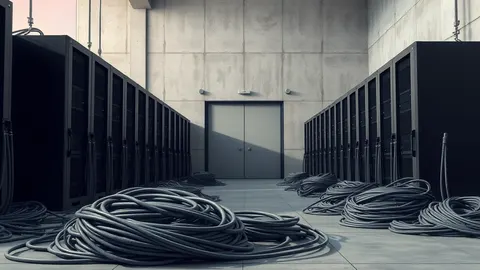
According to CNET, Marx visited facilities in Ashburn, Virginia, and South Dublin, Ireland, noting their striking similarities. These large industrial sites feature loud air-conditioning units designed to keep server racks cool. However, Marx observed that the intense security measures were more notable than the physical infrastructure, with tall fences, ubiquitous cameras, and badge-controlled locks restricting access.
The Scale of Power and Security
The security protocols at these sites reflect the high value placed on these facilities by Big Tech. Marx described an eerie experience in Ireland, where men on lawn mowers appeared to be monitoring visitors from a public curb outside a cluster of Microsoft-owned centers. He noted that it was staggering how difficult it was to move through these spaces, emphasizing the level of control exerted by the companies.
These data centers are critical infrastructure for artificial intelligence programs at OpenAI, Meta, Google, and Amazon. They generate vast amounts of compute power while consuming staggering quantities of electricity and water. Amazon, Microsoft, and Google alone control 59% of hyperscale data center capacity, marking a significant concentration of power in the industry.
Rising Energy Demands and Protests
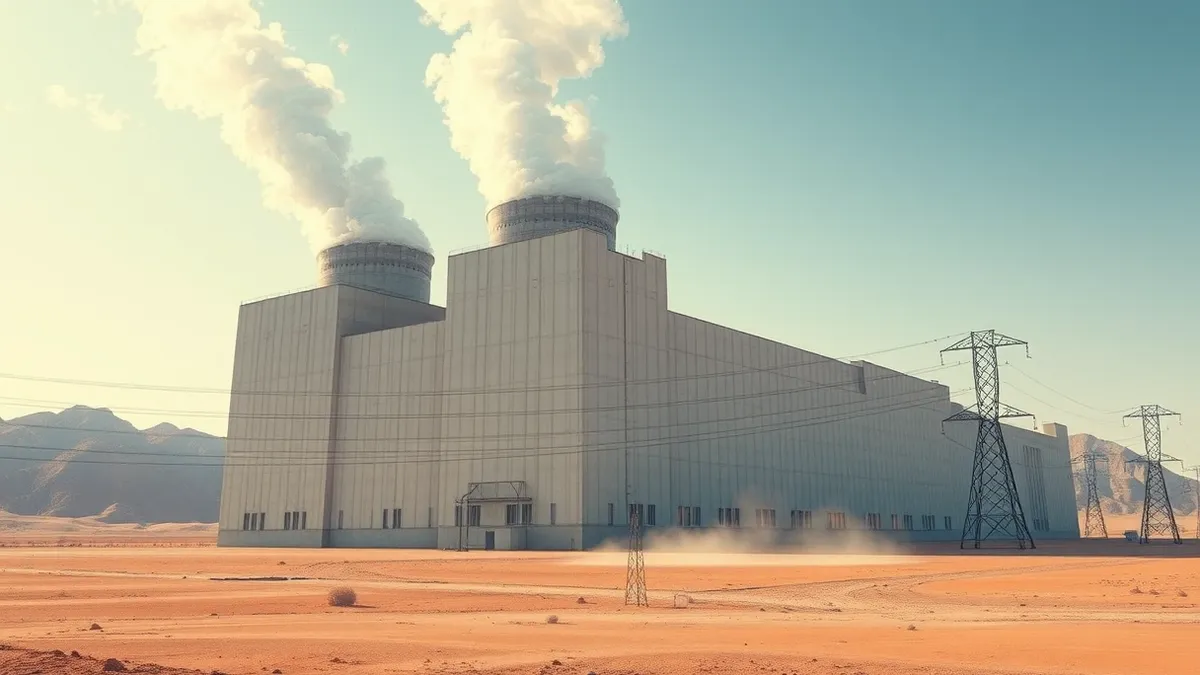
While data centers have existed for years as server farms keeping users online, the AI era has introduced hyperscale facilities with drastically higher requirements. Previously, a large data center might need around 50 megawatts of power. Today, hyperscale centers can require triple that amount. Newer facilities, such as Meta’s Louisiana data center, may demand 4,500 megawatts, or 4.5 gigawatts.
Officials state this demand is four times more than all the electricity used in New Orleans on its hottest day in 2025. It exceeds the two gigawatts produced by the Hoover Dam. These centers also house advanced technology, including GPUs that run hotter than previous chips, further increasing energy needs. Marx’s book highlights how communities are pushing back against this power through protests.
What should you do?
Security and technology professionals should monitor local regulatory developments regarding data center expansions, as community pushback may lead to new zoning or environmental laws. Organizations should also assess their own energy consumption and cooling strategies, given the rising costs and scrutiny of power-intensive operations.
What to do and how to stay safe: Paris Marx
- Review local zoning laws and environmental regulations that may impact data center construction or expansion in your region.
- Audit your organization’s energy usage and cooling efficiency to prepare for potential increases in utility costs or regulatory scrutiny.
- Monitor community sentiment and protest activities near major tech hubs to anticipate potential disruptions or reputational risks.
- Stay informed about industry trends in hyperscale infrastructure, as shifts in power demand may affect service availability or pricing.
Step-by-step guide: Mobile Device Security: How to Protect Data Beyond Passwords
General security guidance from the Threat Times newsroom. It is not confirmed advice from the organisations named in this story.
Frequently asked questions
How much power does a new hyperscale data center require?
New hyperscale data centers can require up to 4,500 megawatts, or 4.5 gigawatts, which is significantly more than previous generations.
Which companies control the majority of hyperscale data center capacity?
Amazon, Microsoft, and Google together control 59% of hyperscale data center capacity, according to the source material.
What is the title of Paris Marx’s new book?
The book is titled Hyperscale: The Ambition and Excess of Big Tech’s Data Empires.