Report: US fossil fuel infrastructure growth surges as renewables stall
A new study finds gas projects now dominate the pipeline, driven by data center demand and policy shifts under the Trump administration.
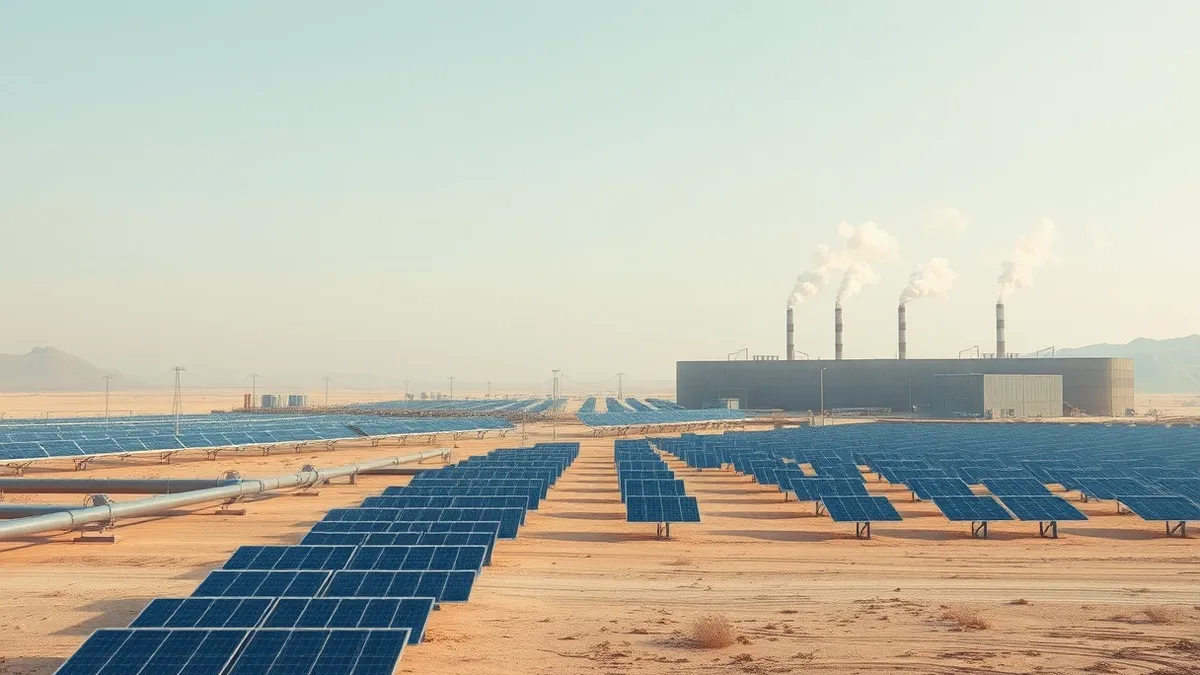
Key points
- Fossil fuel infrastructure plans rose to 30 percent of new capacity by Q2 2026.
- Data centers, factories, and electric vehicles are driving a spike in electricity demand.
- The Trump administration is blocking renewable permits and removing tax incentives for wind and solar.
The United States is constructing more fossil fuel infrastructure than at any point in the last ten years, according to a report published last week by the Environmental Defense Fund and Atlas Public Policy. This surge occurs as renewable energy expansion slows significantly amid changing federal priorities.
Electricity demand is climbing at its fastest rate in more than a decade, fueled by increased power consumption from data centers, factories, and electric vehicles. The Trump administration has actively supported fossil fuels to meet this demand, while simultaneously implementing policies that hinder the growth of wind and solar industries across the country.
Policy Shifts and Market Trends
The report identifies a major turning point for the U.S. power sector, noting that current decisions will determine grid costs, reliability, and emissions profiles for decades. While fossil fuels still generate 60 percent of national electricity, renewables had recently gained significant ground. In 2024, wind and solar combined produced more power than coal for the first time, with solar accounting for 81 percent of new capacity additions.
However, the political landscape shifted with Donald Trump’s second term, which prioritized fossil fuels for energy-intensive facilities like data centers. His administration has issued stop-work orders, blocked permits, and removed tax incentives for renewable projects. Many current solar and wind farms are likely the final wave benefiting from previous Biden-era incentives, as new development faces stricter regulatory hurdles and reduced financial support.
Impact on Future Capacity
Plans for new fossil fuel infrastructure have expanded rapidly, rising from just 5 percent of all new capacity in 2024 to 30 percent by the second quarter of 2026, according to the report’s analysis of US Energy Information Administration data. If this trajectory continues, fossil fuels could represent 70 percent of the development pipeline by the end of the decade.
The authors warn that completing all gas projects currently in the pipeline would lock in higher pollution levels and increased electricity prices for decades. Although solar remains the cheapest power source globally in most regions, the shift in domestic policy favors gas-fired power plants. This transition suggests a long-term commitment to fossil fuels, potentially reversing recent gains made by renewable energy sources in the American market.
What should you do?
Security and technology professionals should monitor these energy policy shifts, as they directly impact the reliability and cost of power for data centers and critical infrastructure. Organizations dependent on stable electricity supplies should assess their exposure to rising fossil fuel prices and potential grid instability. Stakeholders should track regulatory changes affecting renewable energy permits, as these decisions will influence long-term sustainability goals and operational costs for technology firms.
What to do and how to stay safe: Environmental Defense Fund
- Monitor federal policy changes regarding energy permits and tax incentives to anticipate shifts in power supply costs and reliability.
- Evaluate data center energy contracts to understand exposure to volatile fossil fuel markets and potential long-term price increases.
- Track regional grid development plans to identify areas where fossil fuel infrastructure expansion may impact local electricity pricing and emission profiles.
- Review organizational sustainability metrics to account for the reduced growth trajectory of renewable energy sources in the current political climate.
Step-by-step guide: Mobile Device Security: How to Protect Data Beyond Passwords
General security guidance from the Threat Times newsroom. It is not confirmed advice from the organisations named in this story.
Frequently asked questions
Why is fossil fuel infrastructure growth accelerating in the US?
A new report attributes the surge to increased electricity demand from data centers and policy support from the Trump administration, which favors fossil fuels over renewables.
How has the share of new fossil fuel capacity changed recently?
Plans for new fossil fuel infrastructure climbed from 5 percent of all new capacity in 2024 to 30 percent by the second quarter of 2026, according to the report.
What impact could these projects have on the future grid?
The authors warn that completing gas projects in the pipeline could lock in higher pollution and electricity prices for decades, shaping the grid's emissions profile.