Keurig Coffee Maker Leaks Terabyte of Data in Ten Days, Sparking Privacy Concerns
An IT expert discovered his parents' smart coffee machine transmitted massive data volumes, highlighting risks of connected home appliances.
Key points
- A Keurig device sent one terabyte of data in ten days due to a software bug.
- A Lavazza machine requested access to contacts and call logs during testing.
- Consumer Reports warns that smart appliances increasingly collect user data involuntarily.
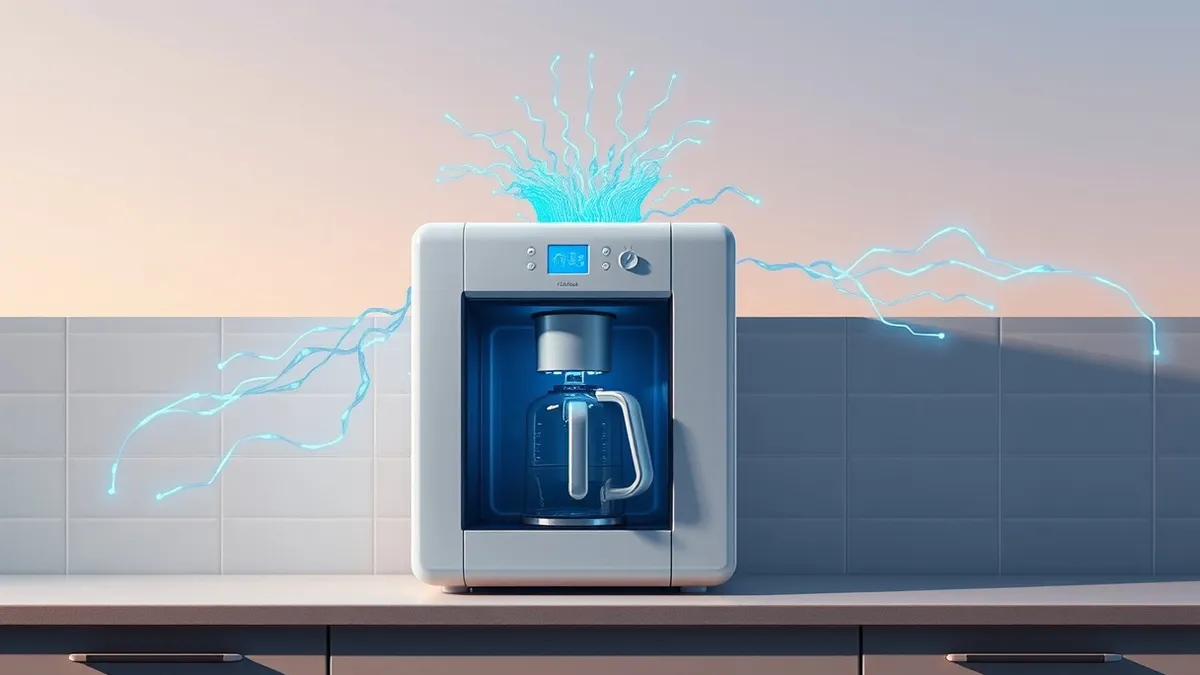
An IT professional identified a significant data transmission issue with a Keurig coffee maker connected to his parents' home network. According to TechRadar, the device transmitted one terabyte of data over a ten-day period before the user disconnected it.
The incident, shared by IT expert Nomad on X, highlights potential risks in Internet of Things devices. Nomad stated the device was disconnected because it was not worth keeping an IoT device connected that could cause network saturation through bugs.
View the original post on X
Context and Background
TechRadar reported that the massive data transfer from the Keurig appears to be the result of a software bug rather than intentional data harvesting. The expert noted the capability of the device to bug out and cause saturation, prompting immediate removal from the network.
In a separate finding, TechRadar tested a Lavazza coffee machine and found its companion app requested access to the user's contacts and call logs. The publication contacted the company to ask why the app required such specific permissions for a kitchen appliance.
The Lavazza smart features also failed to function as advertised. Starting a brew via the machine's own app proved impossible, and Google Home commands for specific drink types like espresso were unsupported, despite manual instructions suggesting otherwise.
Who Is Affected
Consumer Reports has cautioned users about smart appliances for some time, noting that internet features and companion apps are becoming standard across product categories. Steve Blair, from Consumer Reports, stated that avoiding these connected features is increasingly difficult when buying new products.
Blair cited an example of a dryer sending the equivalent of 135,000 text messages per week to its manufacturer. He questioned what a dryer has to say at that volume, illustrating the scale of data collection in common household items.
TechRadar noted that its own home heating boiler and dishwasher were keen to gather data unrelated to their primary functions. This trend suggests that users often face data collection requests that have nothing to do with heating a home or washing dishes.
What should you do?
TechRadar contacted both Keurig and Lavazza for comment regarding these incidents. The publication stated it would keep readers updated when more details are available. With AI rolling out across tech, there is potential for real privacy problems in connected devices.
What to do and how to stay safe: Keurig
- Review the permissions requested by companion apps for smart home devices before granting access.
- Disconnect smart appliances from the main network if they exhibit abnormal data usage or bugs.
- Check device settings to limit data sharing with manufacturers where options are available.
- Monitor network traffic for unexpected saturation from household IoT devices.
General security guidance from the Threat Times newsroom. It is not confirmed advice from the organisations named in this story.
Frequently asked questions
Why did the Keurig coffee maker send so much data?
The massive data transfer appears to have been caused by a bug in the device's software.
What permissions did the Lavazza app request?
The Lavazza app requested access to the user's contacts and call logs.
Has Consumer Reports warned about smart appliances?
Yes, Consumer Reports warned that appliances relying on apps and collecting data are becoming standard.