Kiwibit Bird Feeder 2 Pro Uses AI to Send Real-Time Bird Identification Alerts
The $269 Kiwibit Bird Feeder 2 Pro identifies species like Great Tits and Eurasian Blue Tits, sending alerts to users' smartphones.
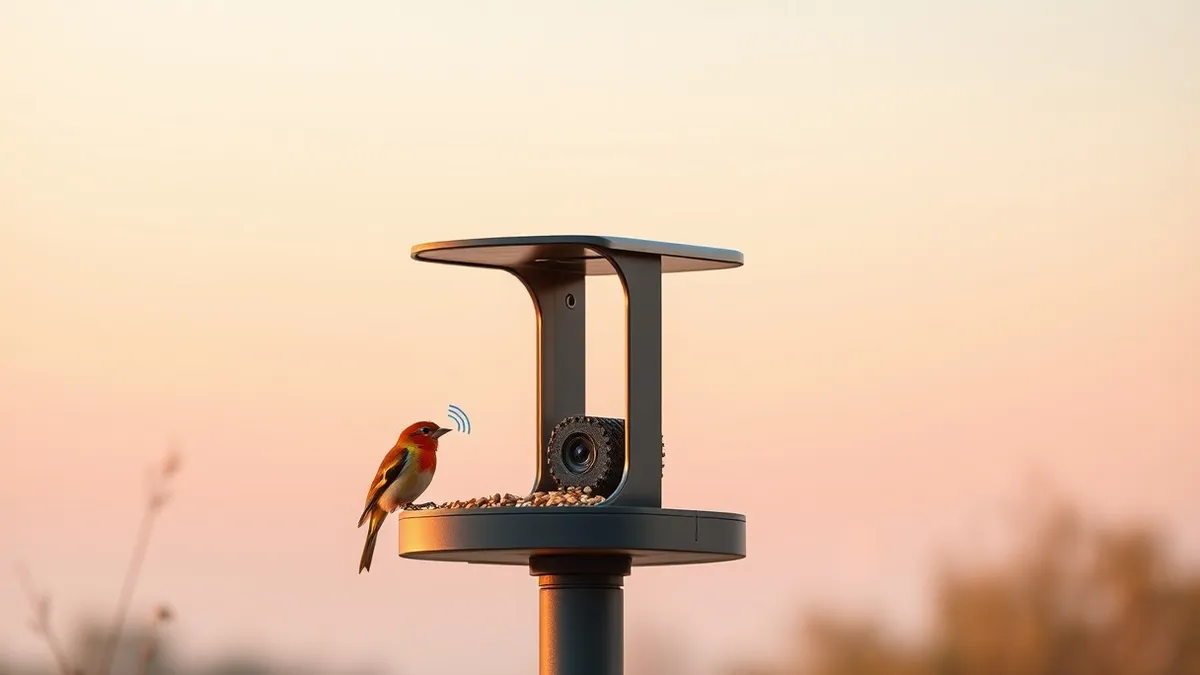
Key points
- The Kiwibit Bird Feeder 2 Pro costs $269 and features AI-driven bird identification.
- Users receive smartphone alerts identifying species such as Great Tits and Eurasian Blue Tits.
- The device attracted dozens of birds to the reviewer's garden within weeks of installation.
The Kiwibit Bird Feeder 2 Pro utilizes artificial intelligence to identify bird species and send real-time alerts to users' smartphones, according to a report by The Verge. The device, priced at $269, successfully identified species such as the Great Tit and Eurasian Blue Tit shortly after installation.
The Verge reported that the feeder attracted dozens of tiny, colorful birds to the reviewer's garden just a few weeks after mounting the hardware. The system generated specific alerts on the user's phone, including notifications reading "Looks like Great Tit!" and "Looks like Eurasian Blue Tit!" These automated messages provided immediate feedback on the wildlife activity occurring around the device.
Device Functionality and Cost
The Kiwibit Bird Feeder 2 Pro is marketed at a price point of $269, down from an initial $350 figure mentioned in the source material. The primary feature highlighted in the report is the integration of AI-driven identification capabilities. This technology allows the device to distinguish between different bird species and communicate those findings to the owner via mobile notifications.
The reviewer noted that the experience started promisingly, with the AI correctly identifying common garden birds. The alerts served as a direct link between the physical activity in the garden and the digital interface on the user's smartphone, demonstrating the practical application of computer vision in consumer home devices.
User Experience and Adoption
According to The Verge, the device proved effective at attracting wildlife, with dozens of birds visiting the garden shortly after the feeder was installed. The reviewer expressed amusement at the initial alerts, indicating a positive early user experience with the technology. The ability to receive specific species names via push notifications enhances the utility of the feeder beyond simple food provision.
The report emphasizes the immediacy of the AI-driven alerts, which appeared on the user's phone shortly after the birds were detected. This real-time feedback loop allows users to engage with their local wildlife more actively, turning passive observation into an interactive digital experience.
What should you do?
Security professionals monitoring consumer IoT devices should evaluate the network exposure of smart garden equipment. Users should ensure that devices like the Kiwibit Bird Feeder 2 Pro are placed on isolated network segments to prevent lateral movement. Regular firmware checks are recommended to maintain security hygiene for connected home devices.
What to do and how to stay safe: Kiwibit
- Isolate consumer IoT devices on a separate VLAN or guest network to limit access to critical systems.
- Change default administrative credentials on the feeder and its associated mobile application immediately.
- Monitor network traffic for unusual outbound connections from the device that could indicate data exfiltration.
- Disable remote access features if the manufacturer does not provide robust encryption and authentication protocols.
Step-by-step guide: Prompt Injection Warning Signs: How to Spot AI Manipulation
General security guidance from the Threat Times newsroom. It is not confirmed advice from the organisations named in this story.
Frequently asked questions
How much does the Kiwibit Bird Feeder 2 Pro cost?
The device is priced at $269, according to the report by The Verge, which also noted an initial price of $350.
What features does the Kiwibit Bird Feeder 2 Pro offer?
It uses AI to identify bird species and sends real-time alerts to users' smartphones with specific identification results.
Which birds were identified by the feeder in the report?
The AI identified species including the Great Tit and the Eurasian Blue Tit, sending corresponding alerts to the user.


