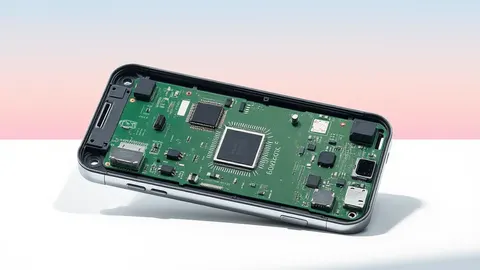
Midnight Mimosa malware found embedded in firmware of low-cost Android phones
Researchers report that budget Android devices are shipping with pre-installed malware that turns phones into residential proxies and performs ad fraud.
Key points
- The campaign, dubbed Midnight Mimosa, embeds malicious software directly into device firmware.
- Infected devices allow attackers to silently install applications without user consent.
- The malware facilitates ad fraud and converts smartphones into residential proxy nodes.
Security researchers have identified a malware campaign named Midnight Mimosa that targets low-cost Android smartphones by embedding malicious code directly into their firmware. According to a report by BleepingComputer, these devices ship with the malware already present, allowing attackers to exploit the hardware from the moment the user powers it on.
The most significant aspect of this campaign is the persistence and depth of the infection. Because the malware is embedded in the firmware, it operates at a system level that is difficult for standard security applications to detect or remove. BleepingComputer states that this architecture allows attackers to silently install additional apps on the device. Furthermore, the compromised phones are utilized for ad fraud and are turned into residential proxies, masking the true origin of malicious network traffic by routing it through legitimate consumer IP addresses.
Firmware-Level Persistence and Threat Mechanics
The designation "Midnight Mimosa" refers to this specific campaign targeting budget Android hardware. Unlike typical malware that requires a user to download a malicious app from a third-party store, this threat is pre-installed by the manufacturer or during the assembly process. This firmware-level integration means the malware has deep system privileges.
According to BleepingComputer, the primary functionalities of the embedded software include the silent installation of other applications and the generation of fraudulent advertising revenue. By turning the infected devices into residential proxies, attackers can distribute their malicious activities across a wide network of seemingly legitimate home internet connections, making attribution and blocking more difficult for security teams and service providers.
Who Is Affected
The victims of this campaign are users who purchase low-cost Android smartphones. The report highlights that the issue is tied to the cost tier of the devices, suggesting that manufacturers of budget phones may be sourcing components or firmware from suppliers that have been compromised or are intentionally distributing malicious builds.
Users of these specific low-cost devices are at risk of having their data privacy compromised and their network connections abused without their knowledge. The nature of the threat means that standard troubleshooting steps, such as factory resets, may not remove the malware if it is baked into the bootloader or system partition.
What should you do?
Security professionals and affected users should assess the supply chain risks associated with budget mobile devices. Since no patch or fix has been confirmed yet for these firmware-level infections, the primary mitigation is avoidance of affected hardware models. Organizations should monitor for unusual network traffic patterns that may indicate proxy usage.
What to do and how to stay safe: Midnight Mimosa
- Verify the origin and firmware integrity of low-cost Android devices before deploying them in any professional or sensitive environment.
- Monitor network logs for unexpected outbound connections or traffic patterns consistent with residential proxy usage from mobile devices.
- Avoid installing applications from unknown sources on budget devices, as the underlying firmware may already be compromised and facilitate silent installations.
- Once the vendor provides an update or specific guidance on affected models, apply the patch immediately; until then, consider isolating these devices from sensitive networks.
Step-by-step guide: Social Engineering Warning Signs and How to Respond
General security guidance from the Threat Times newsroom. It is not confirmed advice from the organisations named in this story.
Frequently asked questions
What is Midnight Mimosa?
Midnight Mimosa is a malware campaign discovered on low-cost Android smartphones that embeds malicious software in the device firmware.
Can users remove this malware themselves?
The source material does not confirm a method for removal, as the malware is embedded in the firmware, which typically requires specialized tools or manufacturer intervention to modify.
What does the malware do to the device?
According to BleepingComputer, the malware allows attackers to silently install apps, perform ad fraud, and turn the devices into residential proxies.