US Air Force awards WindBorne Systems nearly $50 million for weather balloon data
The military secures exclusive access to atmospheric sensor readings from a Silicon Valley startup using AI-driven forecasting models.
Key points
- The US Air Force signed a contract worth up to $49 million with WindBorne Systems for weather data.
- WindBorne operates a global fleet of approximately 700 autonomous weather balloons collecting sensor data.
- The company has already fulfilled $1.7 million in orders under this non-competitive agreement.
The United States Air Force has awarded WindBorne Systems a new contract valued at nearly $50 million to purchase atmospheric data. This agreement allows the military to buy sensor readings collected by the startup’s fleet of autonomous weather balloons.
According to TechCrunch, the contract is worth up to $49 million, though the Air Force pays only for specific data orders. The service has already placed orders totaling $1.7 million. WindBorne executives expect additional orders to follow as the government continues to utilize the collected information.
Contract details and market position
WindBorne co-founder and CTO Andrey Sushko stated that the contract supports the growth of their balloon constellation. He noted it also funds research and development to improve hardware and performance. The government awarded the contract without competitive bidding, citing WindBorne as the sole provider capable of meeting their specific operational needs for global data collection.
This represents the largest contract in WindBorne’s history. The Redwood City, California-based company, founded in 2015, has previously worked with the National Weather Service and the US Navy. However, this single agreement surpasses all prior government engagements in value and scope for the startup.
Technology and funding background
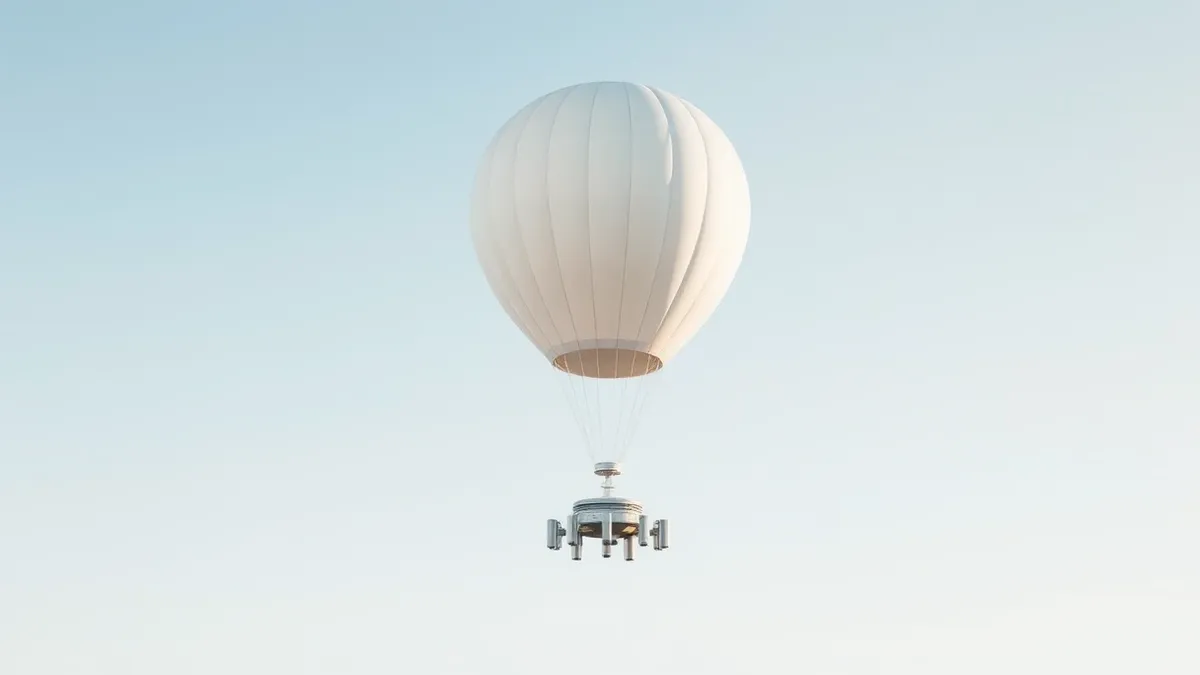
WindBorne currently operates about 700 weather balloons flying around the globe. These devices collect atmospheric sensor readings that the company sells to customers. The data also feeds into WindBorne’s own AI weather forecasting model, distinguishing it as one of the first organizations to directly input empirical data into a deep-learning weather system.
In August, CEO John Dean reported that the company raised a $37 million Series B round. This funding aims to continue scaling the business. Earlier this summer, WindBorne released WeatherMesh 6, its latest forecasting model. The company claims this version provides more accurate forecasts than the traditional model run by the European Centre for Medium-Range Weather Forecasts.
What should you do?
Security and technology professionals should monitor developments in commercial weather data procurement. The integration of AI models with physical sensor networks creates new dependencies for critical infrastructure. Organizations relying on weather data for logistics or operations should assess the reliability of their data sources.
What to do and how to stay safe: WindBorne Systems
- Review current contracts with third-party data providers to understand service level agreements and continuity plans.
- Assess how your organization relies on external weather forecasting for critical decision-making or operational planning.
- Monitor regulatory updates regarding the use of commercial satellite or balloon data in government or military applications.
- Ensure that data ingestion pipelines from external sources have robust validation checks to prevent corruption or manipulation.
Step-by-step guide: Prompt Injection Warning Signs: How to Spot AI Manipulation
General security guidance from the Threat Times newsroom. It is not confirmed advice from the organisations named in this story.
Frequently asked questions
How much is the WindBorne contract worth?
The contract is worth up to $49 million, although the Air Force pays only for specific data orders placed.
Why did the Air Force choose WindBorne without bidding?
The government determined WindBorne was the only company able to provide global data collection in the required manner.
What technology does WindBorne use for forecasting?
The company uses a fleet of weather balloons to collect data, which feeds into an AI deep-learning model called WeatherMesh.