Microsoft to Deploy Azure Maia AI Chips at Gigawatt Scale by 2027
Microsoft plans to make its custom Maia silicon the primary inference engine for its products, aiming for multi-gigawatt deployment starting in 2027.
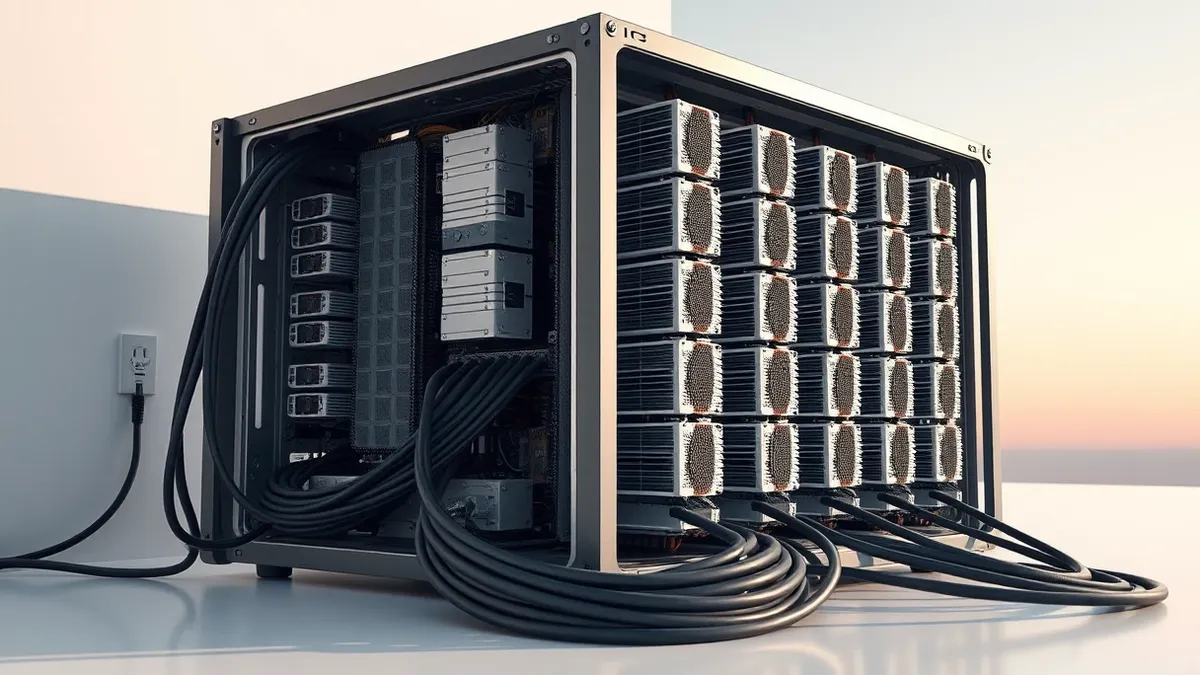
Key points
- Microsoft will scale Azure Maia chips to multi-gigawatt levels by 2027.
- The Maia 300 chip targets 40 percent more tokens per megawatt than leading GPUs.
- Maia 200 currently powers Microsoft Copilot in the US, Europe, and Australia.
Microsoft intends to deploy its Azure Maia AI chips at multi-gigawatt scale starting in 2027. According to executive Scott Guthrie, these custom silicon units will become the company’s main inference system across its product portfolio, marking a significant shift in hardware strategy.
CEO Satya Nadella described the move as the company’s biggest bet yet on its own silicon. The company states that the current generation pushes up to 1.7 times more tokens per watt than leading GPUs when used in Microsoft Teams. This strategic pivot focuses on the underlying infrastructure that supports Microsoft’s growing artificial intelligence services.
Technical Specifications and Roadmap
The upcoming Maia 300 chip is scheduled to ship in 2027. Microsoft claims this successor will deliver 40 percent more tokens per megawatt than leading GPU systems. The hardware is designed specifically for long inputs, fast chat responses, and agentic tasks. A rack containing 96 Maia 300 chips should produce up to seven times the tokens of a Maia 200 rack.
Microsoft plans to share further technical details in November at the Ignite 2026 conference. The current Maia 200 chip already handles OpenAI, MAI, and open-source models. The company states that the current generation pushes up to 1.7 times more tokens per watt than leading GPUs when used in Microsoft Teams.
Current Deployment and Expansion
Maia 200 chips currently run Microsoft Copilot in the United States, Europe, and Australia. Microsoft plans to expand this deployment to GitHub Copilot and Foundry by the end of the current year. This gradual rollout precedes the massive 2027 scaling event.
The shift to in-house silicon affects the infrastructure supporting major enterprise tools. By moving inference workloads to custom chips, Microsoft changes how data is processed for users of Copilot and other integrated AI services. This change impacts the backend hardware for these specific applications.
What should you do?
Organizations relying on Microsoft AI services should monitor official announcements regarding infrastructure changes. Review current service level agreements for any clauses related to hardware backend updates. Assess internal workflows that depend heavily on Copilot or GitHub Copilot for potential latency changes during transition periods.
What to do and how to stay safe: Microsoft
- Review service level agreements for clauses related to hardware backend updates.
- Assess internal workflows dependent on Copilot for potential latency changes.
- Monitor official Microsoft announcements for infrastructure change notifications.
- Evaluate energy efficiency metrics if managing on-premises AI inference clusters.
Step-by-step guide: Prompt Injection Warning Signs: How to Spot AI Manipulation
General security guidance from the Threat Times newsroom. It is not confirmed advice from the organisations named in this story.
Frequently asked questions
When will Microsoft deploy Maia chips at gigawatt scale?
Microsoft plans to deploy Azure Maia AI chips at multi-gigawatt scale starting in 2027, according to executive Scott Guthrie.
How does Maia 300 compare to GPUs?
Microsoft claims the Maia 300 chip will deliver 40 percent more tokens per megawatt than leading GPU systems.
Which services currently use Maia chips?
Maia 200 chips currently run Microsoft Copilot in the US, Europe, and Australia, with GitHub Copilot and Foundry following by year's end.


