Insignary Launches Clarity AIR to Detect Undeclared Open-Source and AI-Written Code
Toronto-based Insignary introduced Clarity AIR on October 8, 2026, to help organizations identify hidden open-source and AI-generated code components.

Key points
- Insignary launched Clarity AIR on October 8, 2026, in Toronto, Canada.
- The tool detects undeclared open-source libraries and code written by AI.
- The product aims to improve visibility into software composition for enterprises.
Insignary launched Clarity AIR on October 8, 2026, introducing a new security solution designed to detect undeclared open-source components and code generated by artificial intelligence. The Toronto-based vendor announced the release through CyberNewswire, marking a specific focus on uncovering hidden software elements that traditional tools might miss during standard development cycles.
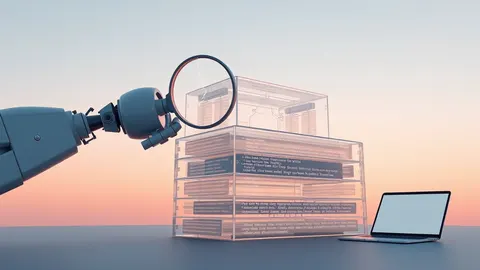
The Clarity AIR platform addresses the growing complexity of modern software supply chains by identifying code origins that developers may not have explicitly declared. According to Hackread, the tool specifically targets two major categories of hidden risk: undeclared open-source libraries and sections of code written by AI assistants. This dual focus allows security teams to gain a more complete picture of their application’s composition.
Context and Background
The launch of Clarity AIR reflects a broader industry shift toward greater transparency in software development practices. As teams increasingly rely on open-source libraries and AI coding assistants, the risk of introducing unknown or unvetted code into production environments has risen. Insignary’s solution attempts to bridge the gap between development speed and security visibility by scanning for these specific types of undeclared content.
Hackread reported that the tool is designed to help organizations understand what is actually inside their applications, beyond what is documented in standard dependency files. By detecting AI-written code and hidden open-source elements, Clarity AIR provides a layer of assurance that helps security professionals assess potential risks associated with third-party or automated code generation.
Who Is Affected
Organizations that use open-source software or AI-assisted development tools are the primary audience for Clarity AIR. Any enterprise that integrates external libraries or allows developers to use AI coding assistants may have undeclared components in their codebase. This includes software vendors, internal IT teams, and any group responsible for maintaining application security and compliance standards.
The tool is particularly relevant for teams that need to verify the provenance of their code for regulatory or security reasons. According to the announcement, the ability to detect undeclared elements helps these groups manage risk more effectively. Companies that have strict policies regarding open-source usage or AI adoption will find this visibility essential for enforcing those rules across their development lifecycle.
What should you do?
Security teams should evaluate their current visibility into third-party and AI-generated code components. Organizations should review their software composition analysis tools to see if they can detect undeclared libraries or AI-written segments. If current tools do not provide this level of detail, teams may need to adopt solutions like Clarity AIR to fill those gaps.
What to do and how to stay safe: Insignary
- Review current software composition analysis tools to determine if they detect undeclared open-source libraries and AI-generated code segments.
- Establish clear policies for declaring all third-party components and AI-assisted code in project documentation and dependency files.
- Monitor vendor announcements for updates on detection capabilities, as AI code generation techniques evolve rapidly and may require new scanning methods.
- Ensure development teams understand the importance of documenting code origins to maintain accurate records for security audits and compliance reviews.
Step-by-step guide: Prompt Injection Warning Signs: How to Spot AI Manipulation
General security guidance from the Threat Times newsroom. It is not confirmed advice from the organisations named in this story.
Frequently asked questions
What does Clarity AIR detect?
Clarity AIR detects undeclared open-source libraries and code that has been written by artificial intelligence assistants.
When was Clarity AIR launched?
Insignary launched Clarity AIR on October 8, 2026, in Toronto, Canada.
Who announced the release of Clarity AIR?
The release was announced by Insignary, a Toronto-based vendor, and reported by Hackread.