Ex-Nvidia Exec Amulya Vishwanath Calls Current Robotics Phase The LEGO Era
Techable Ventures founder Amulya Vishwanath tells TechCrunch that physical AI is currently focused on building foundational blocks rather than complete systems.
Key points
- Amulya Vishwanath compares current physical AI development to the LEGO era, citing a focus on foundational software and hardware blocks.
- The venture capital firm Techable Ventures focuses on physical AI and leverages Vishwanath's network to connect founders with talent.
- Vishwanath argues that talent remains a critical moat for U.S. companies as top engineers flow to large firms like Nvidia and Anthropic.
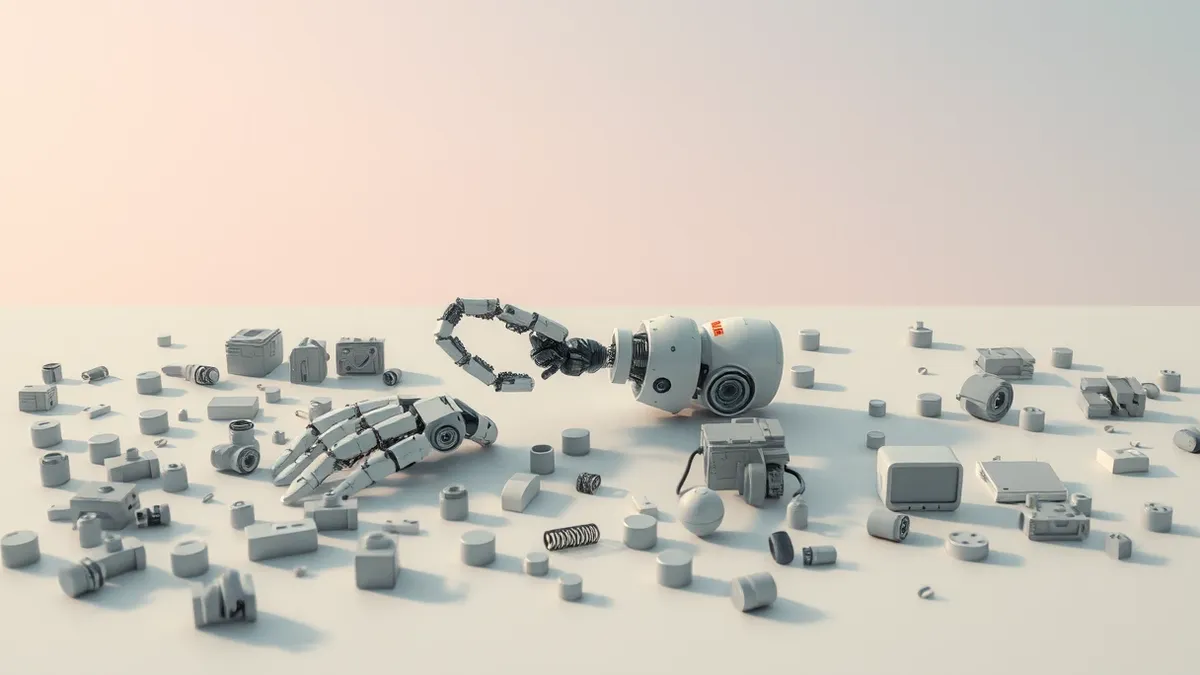
Amulya Vishwanath, founder and managing partner of Techable Ventures, described the current state of physical AI as being in its "LEGO era" rather than experiencing an immediate ChatGPT-style breakthrough, according to TechCrunch. She explained that the industry is currently rethinking foundational software and building blocks necessary for innovation to scale.
Vishwanath told TechCrunch’s Equity that companies are presently constructing basic components such as robotic hands and actuators. These elements serve as individual pieces that will eventually combine to create more advanced, large-scale robotic systems. She noted that both general-purpose and special-purpose robots are being developed concurrently in this phase of assembly.
Historical Context and Development
Vishwanath drew parallels to previous technological shifts, noting that society underwent similar foundational periods during the internet era and the Industrial Revolution. She stated that it is a matter of time before these disparate components fall into place to form cohesive systems. The current work involves establishing the basics that will allow for future innovation to scale effectively across the robotics sector.
This perspective emphasizes the incremental nature of current progress. Instead of sudden, unified breakthroughs, the industry is focused on creating the necessary infrastructure. Vishwanath indicated that this stage is super important for the long-term viability and advancement of physical AI applications in the market.
Talent and Market Dynamics
Talent acquisition remains a critical factor for success in the U.S. physical AI market, Vishwanath said. She identified talent as a key moat for her firm, Techable Ventures. The company helps connect founders with top engineers to maintain competitiveness while significant portions of the skilled workforce join major technology companies like Anthropic and Nvidia.
Vishwanath leveraged her professional history to build a strong network for this purpose. She spent nearly seven years as a product marketer at Nvidia before founding her venture capital firm. Prior to that role, she held the same position at a company later acquired by Intel and worked as a digital signal processing engineer at Interconnect Systems, which was subsequently bought by Molex.
This background allows her to serve as a primary contact for founders seeking resources. She stated that her experience makes it easier for her to act as a strength for early-stage companies. The ability to bridge the gap between emerging founders and established talent pools is central to Techable Ventures' strategy in the physical AI space.
What should you do?
Security and technology professionals should monitor developments in physical AI as the industry matures from component building to integrated systems. Watch for shifts in talent markets as specialized engineers move between startups and large technology firms.
What to do and how to stay safe: Amulya Vishwanath
- Review internal hiring strategies to ensure retention of specialized engineering talent critical for physical AI development.
- Monitor the integration of foundational software blocks as the industry moves from component-based assembly to full system deployment.
- Assess vendor relationships with physical AI startups to understand their reliance on external talent networks for growth.
- Evaluate the security implications of modular robotic systems as actuators and software components are combined into larger units.
Step-by-step guide: Prompt Injection Warning Signs: How to Spot AI Manipulation
General security guidance from the Threat Times newsroom. It is not confirmed advice from the organisations named in this story.
Frequently asked questions
What does Amulya Vishwanath mean by the LEGO era for physical AI?
She means the industry is currently focused on building individual foundational blocks and components that will later combine into advanced robotic systems.
What is the background of Techable Ventures founder Amulya Vishwanath?
She spent nearly seven years as a product marketer at Nvidia and previously worked at a company acquired by Intel and at Interconnect Systems.
How does Techable Ventures help founders in the physical AI space?
The firm connects founders with top talent, leveraging Vishwanath's network to help them stay competitive against larger companies like Nvidia and Anthropic.