Pascal raises $8.5M for solid-state refrigerant tech
Startup Pascal secures funding to deploy sponge-like materials that could boost heat pump efficiency by 20 percent and eliminate greenhouse gas leaks.
Key points
- Pascal raised $8.5 million in a follow-on seed round led by Sazze Partners and LB Investment.
- The startup’s solid-state refrigerant material promises 20 percent greater efficiency than current models.
- A pilot contract with a multinational beverage company has been signed for early next year.
Refrigerant startup Pascal has secured $8.5 million in funding to advance its solid-state cooling technology. The follow-on seed round was co-led by Sazze Partners and LB Investment, with participation from KDB Silicon Valley, according to TechCrunch. The capital supports the development of a new class of materials designed to replace traditional gaseous refrigerants in heat pumps and air conditioning systems.
Pascal co-founder and CEO Adam Slavney stated that appliances using this material will be approximately 20 percent more efficient than existing models. The company has already signed a contract with a multinational beverage corporation to pilot the technology. This customer agreement helped accelerate the funding process, Slavney told TechCrunch, noting that the deal arrived earlier than anticipated.
Technology and Environmental Context
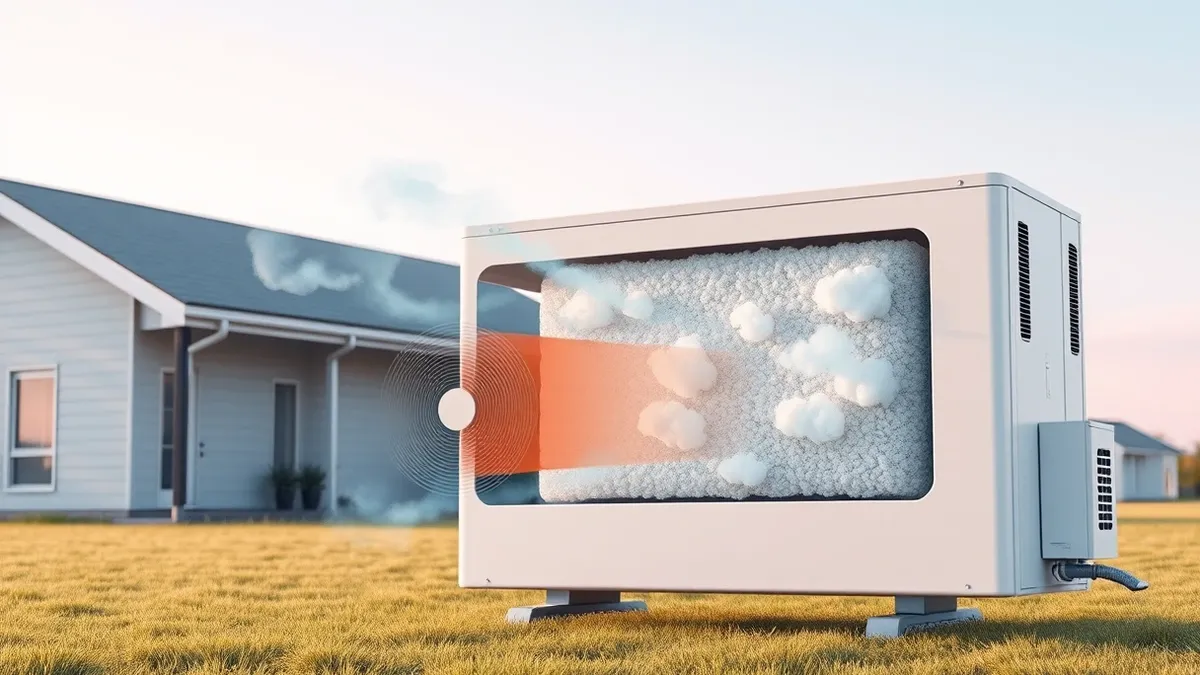
Traditional refrigerants have long presented environmental challenges that the industry has struggled to address. Older gaseous compounds like Freon damaged the ozone layer, while newer alternatives such as R-134a remain potent greenhouse gases, according to Slavney. He described the current approach as a never-ending treadmill of replacing one problematic chemical with another. Solid-state refrigerants offer a different mechanism. These materials are solid, meaning they cannot escape into the atmosphere, which eliminates the climate and ozone concerns associated with modern gaseous refrigerants.
The technology operates similarly to traditional systems by releasing heat when compressed and absorbing it when pressure is released. Slavney explained that researchers have been searching for better refrigerants for decades, but solid-state options provide a path to both higher efficiency and environmental safety. The experimental results that validated the material’s performance puzzled Slavney initially, as measurements differed unexpectedly from controls. It took about a year or two to obtain definitive proof of the material’s capabilities.
Development Timeline and Adoption
Pascal is on track to deliver its first prototype early next year, according to the company. The first batch of more polished refrigerators utilizing this technology is scheduled for release in 2028. The startup’s progress is being driven by early customer interest, which helped bring the funding round together. The multinational beverage company pilot represents a significant step toward commercial validation of the solid-state approach.
Slavney noted that the cooling appliance industry has been seeking more efficient solutions for eons. The new material addresses both efficiency and environmental impact simultaneously. By using a sponge-like solid material, Pascal aims to break the cycle of replacing harmful refrigerants with other harmful ones. The company’s exclusive disclosure to TechCrunch highlights the strategic importance of this funding round for scaling their research and development efforts.
What should you do?
Security and technology professionals should monitor developments in hardware efficiency and environmental compliance standards. As new cooling technologies emerge, organizations may need to update procurement policies for data centers and HVAC systems. Watch for pilot programs and early adoption announcements from major appliance manufacturers.
What to do and how to stay safe: Pascal
- Review current HVAC and cooling infrastructure contracts for environmental compliance clauses.
- Monitor vendor announcements regarding solid-state refrigerant adoption timelines.
- Assess energy efficiency benchmarks for data center cooling systems.
- Stay informed on regulatory changes regarding greenhouse gas emissions from refrigerants.
Step-by-step guide: Mobile Device Security: How to Protect Data Beyond Passwords
General security guidance from the Threat Times newsroom. It is not confirmed advice from the organisations named in this story.
Frequently asked questions
How much funding did Pascal raise?
Pascal raised $8.5 million in a follow-on seed round co-led by Sazze Partners and LB Investment.
What is the expected efficiency gain of Pascal's technology?
The technology promises to be around 20 percent more efficient than existing refrigerator and heat pump models.
When will prototypes be available?
Pascal is on track to deliver its first prototype early next year, with polished refrigerators following in 2028.