
AI
Chinese firms buy 1M Nvidia gaming chips for AI workloads amid shortage
Tech giants purchase RTX 5090 and Pro units for basic computing needs due to supply constraints, according to Financial Times sources.
Everything Threat Times has reported about Nvidia: 48 stories, newest first. Part of our AI coverage.
Tech giants purchase RTX 5090 and Pro units for basic computing needs due to supply constraints, according to Financial Times sources.

Atlassian chief executive states the company relies on Nvidia and Mistral models, dismissing concerns about Chinese AI while noting customer pushback exists.
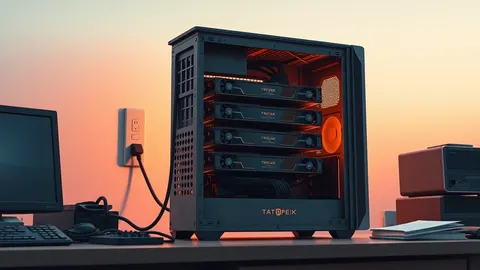
A bargain crypto mining rig with nine Nvidia GPUs successfully ran a 35-billion-parameter model locally for just $35.

Community developers have reverse-engineered software locks to enable next-generation Nvidia graphics features on Ada Lovelace hardware.

Organizations in France are implementing autonomous AI systems using NVIDIA infrastructure, marking a shift from policy commitments to active industrial deployment.

A new software modification allows AMD-based handhelds like the ROG Ally X and Steam Deck to utilize NVIDIA's proprietary upscaling technology via FSR compatibility.
Nvidia’s share of China’s data-center AI chip market dropped to 34% in H1 2026 due to export curbs and local rivals, according to IDC data.

Register hosts HPE and NVIDIA leaders in Washington to examine capital, capability and operational costs of sovereign AI infrastructure choices.

Nvidia contributed Vera Rubin rack blueprints to the Open Compute Project to help manufacturers deploy agentic AI infrastructure faster.

A US custom builder cites supply constraints and rising component costs as drivers for sustained, significant increases in graphics card pricing.
Dell Technologies is adapting its sales approach for West Coast enterprises that prefer building custom AI infrastructure over buying packaged solutions.

Gamers can maintain high frame rates on aging graphics cards by leveraging AI-driven upscaling and frame generation technologies.

The new chip uses a dataflow architecture to process 40% more tokens per megawatt than leading GPU-based systems.

Deepgram aims to run its voice AI models natively on disconnected personal devices, shifting infrastructure focus from cloud data centers to local hardware.

NVIDIA contributes MGX 1.2 specs and CPU rack standards to the Open Compute Project, aiming to streamline the global deployment of high-density AI infrastructure.

A new community-built tracker compiles release notes and forum feedback to help users monitor the status of hundreds of known Nvidia driver issues.
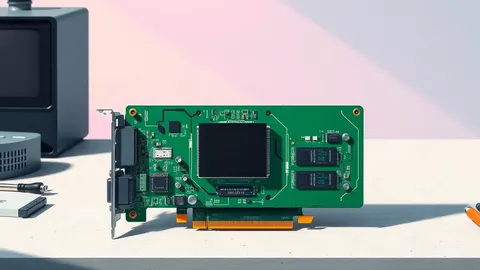
A GPU technician revealed a high-effort scam involving a fake graphics card with dummy silicon and swapped memory chips sold for $350.
NVIDIA released a patch for a high-severity vulnerability in DCGM Exporter that allows unauthenticated attackers to crash GPU monitoring and disrupt AI workloads.

Engineers from NVIDIA and Red Hat presented updates on the Nova driver stack at the LPC2026 conference in Prague this week, according to Phoronix.

Microsoft introduces a proprietary magnetic charging solution for its new laptop, raising questions about USB-C standardization.

Networking startup Upscale announced Token Fabric, a unified hardware and software architecture designed to bridge the gap between intra-rack and cross-rack AI cluster connectivity.

CoreWeave introduces Forge to connect training and inference, emphasizing an open approach to AI development tools and partner ecosystems.

CoreWeave introduces Forge, a full-stack platform designed to unify workflows for running, observing and continuously improving AI agents in production environments.

The chipmaker announced a major funding commitment to support American scientific discovery and maintain technological leadership.