Rapyd Admin 9.20.0 Fixes Critical Hardcoded Credential Flaw Exposing Super-Admin Access
A critical vulnerability in Rapyd Admin allowed unauthenticated attackers to bypass security controls using default credentials seeded by the installer.
Key points
- CVE-2026-109566 is rated CVSS 9.3 Critical due to hardcoded credentials in versions before 9.20.0.
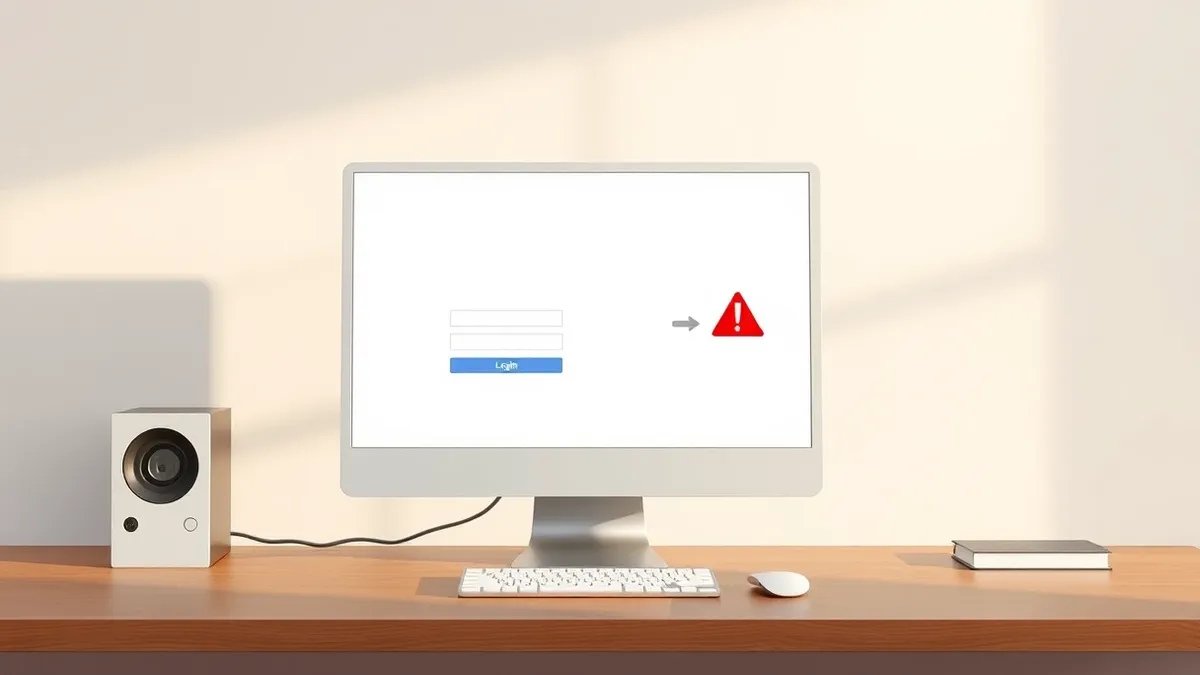
- Attackers can gain super-admin access using the username admin@laravel and password admin.
- The vulnerable account is silently recreated every time the rpd:make command is executed.
A critical security flaw in Rapyd Admin has been resolved in version 9.20.0, patching a vulnerability that allowed remote attackers to seize full administrative control of applications. The issue, tracked as CVE-2026-109566, stems from hardcoded credentials embedded within the software’s installation process, creating a persistent backdoor for unauthorized access.
At a glance
- CVE
- CVE-2026-109566
- Product
- zofe rapyd-admin
- CVSS
- 9.3 Critical
- Weakness
- hard-coded credentials
- Exploited
- No known exploitation
The vulnerability carries a CVSS score of 9.3, classified as Critical, according to the National Vulnerability Database. It affects all versions of the zofe rapyd-admin package prior to 9.20.0. The flaw enables unauthenticated remote attackers to log in as a global super administrator, effectively bypassing standard security measures such as per-record authorization and tenant scoping mechanisms designed to limit user privileges.
Technical Details and Impact
The root cause of the breach is identified as CWE-798, which relates to use of hardcoded credentials. The Rapyd Admin setup installer creates a specific administrative account with the username admin@laravel and the static password admin. This account is not merely created once; it is silently recreated every time the rpd:make command is run, ensuring the backdoor remains active even if manually removed.
Because the account possesses super-admin privileges, an attacker who logs in with these default credentials gains unrestricted access to the application. This access allows them to override tenant isolation, meaning data from different customers or organizational units could be exposed or manipulated. The vulnerability exists in the core installation logic, making it difficult for administrators to detect without specifically auditing the seeding process.
Affected Systems and Scope
The vulnerability impacts any system running zofe rapyd-admin versions earlier than 9.20.0. This includes development, staging, and production environments where the package is utilized for administrative interface generation. The issue is inherent in the package’s design prior to the fix, meaning any instance that has run the setup installer or the rpd:make command is potentially vulnerable.
Organizations using Laravel-based applications that rely on Rapyd Admin for their backend management interfaces are directly affected. The widespread use of default credentials in development tools often leads to oversight in production environments, where such accounts may remain active and accessible to the internet. The silent recreation of the account means that routine maintenance commands can inadvertently restore the vulnerability.
What should you do?
Administrators should immediately verify their Rapyd Admin version and upgrade to 9.20.0 or later to eliminate the hardcoded credential vulnerability. Until the update is applied, ensure that the admin@laravel account is disabled or removed from the database, and monitor for unauthorized login attempts using these specific credentials.
What to do and how to stay safe: Rapyd Admin
- Update the zofe rapyd-admin package to version 9.20.0 or newer to apply the vendor-provided fix.
- Audit application logs for login attempts using the username admin@laravel to detect potential exploitation.
- Disable or delete the default admin account if an immediate update is not feasible, preventing unauthorized access.
- Review tenant isolation controls to ensure no data leakage has occurred from prior unauthorized access.
Step-by-step guide: Risk Based Vulnerability Management: Prioritize Fixes by Actual Threat
General security guidance from the Threat Times newsroom. It is not confirmed advice from the organisations named in this story.
Frequently asked questions
What is CVE-2026-109566?
It is a critical vulnerability in Rapyd Admin versions before 9.20.0 that allows remote unauthenticated attackers to gain super-admin access via hardcoded credentials.
What are the default credentials used in this attack?
The vulnerable account uses the username admin@laravel and the password admin, which are seeded by the installer.
Which versions of Rapyd Admin are affected?
All versions of zofe rapyd-admin from 9.0.0 up to, but not including, 9.20.0 are affected by this vulnerability.